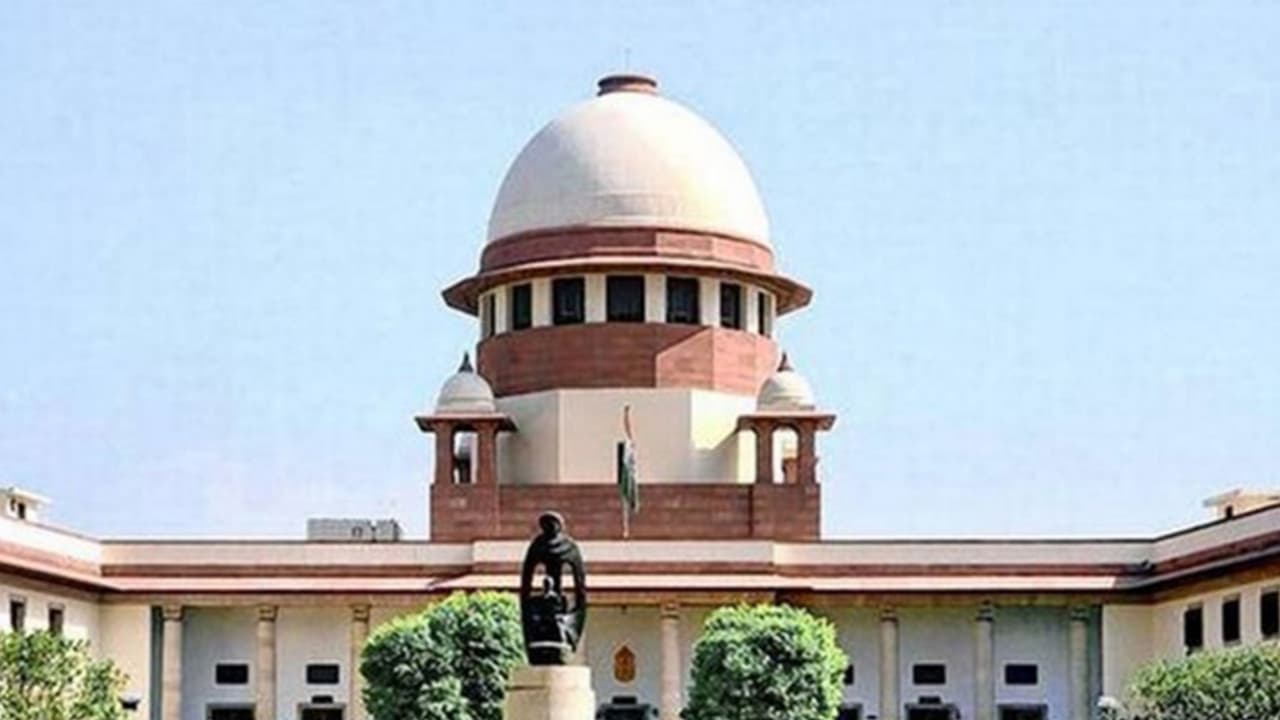
The Supreme Court ended a 5-decade Kapurthala royal family succession dispute, ruling that properties will be divided among all members per Hindu Law, striking down the archaic rule of Primogeniture that favoured the sole male heir.
SC Rejects Primogeniture, Upholds Hindu Law
The Supreme Court held that all members of the family are entitled to rights in the property and that the mode of devolution will be governed by the Hindu Succession Act, 1956.After the signing of the agreement of merger and the notification of certain properties as the personal private properties of the Maharaja, only the perceived throne devolved according to the rule of primogeniture, but not the personal properties of the ruler.Following the lapse of the British paramountcy and the signing of the agreement of merger, the Maharaja assumed the status of the ruler only for the namesake to succeed to the Gaddi, the release noted.The Personal Properties declared by the Ruler at the time of signing of the agreement of merger, would devolve upon the successors in accordance with the Hindu Succession Law and not by the Rule of Primogeniture.The Appeal was therefore allowed in Part and the High Court’s Order, which relied upon the rule of Primogeniture in favour of the father, was set aside.
Legal Representation
Senior Advocate Nikhil Nayyar and Raj Shekhar Rao appeared for the Appellants and Respondent No.2 (Eldest Son and Daughters), instructed by Capital Law Chambers LLP led by Ujjal Banerjee, Partner and Advocate on Record Anmol Sehgal, Senior Associate Shrikant Ramteke, Deeptam Bhadauria, Nikhil R.T, Associates and Advocates-Divyanshu Rai, Taruna, Aashna Chawla and Rajarshi Roy, the release said.Meanwhile, Senior Advocates Santosh Paul and Arun Mohan appeared for the Contesting Respondent No.1 (Father), instructed by Parekh & Co led by Sameer Parekh and DP Mohanty, Swati Bhardwaj. (ANI)(Except for the headline, this story has not been edited by Asianet Newsable English staff and is published from a syndicated feed.)