16
Image Credit: Getty
Why sneeze? Know what science tells… (Sneezing Scientific Reason)
- There is a very sensitive layer (Nasal Mucosa) inside our nose.
- When dust, pollen, smoke, virus, bacteria or any strong smell irritates this layer, the nerves present there immediately send an alert to the brain.
- The brain’s “sneeze center” (primarily part of the brainstem) sends messages to the body to sneeze.
- After this, the lungs take a deep breath and the muscles of the chest, throat and face together suddenly create strong pressure.
- Air comes out at a very high speed through the nose and mouth, due to which foreign particles also come out.
- That means sneezing is a cleansing process of the body, which protects our respiratory system.
Add Asianetnews Hindi as a Preferred Source
26

Image Credit: Getty
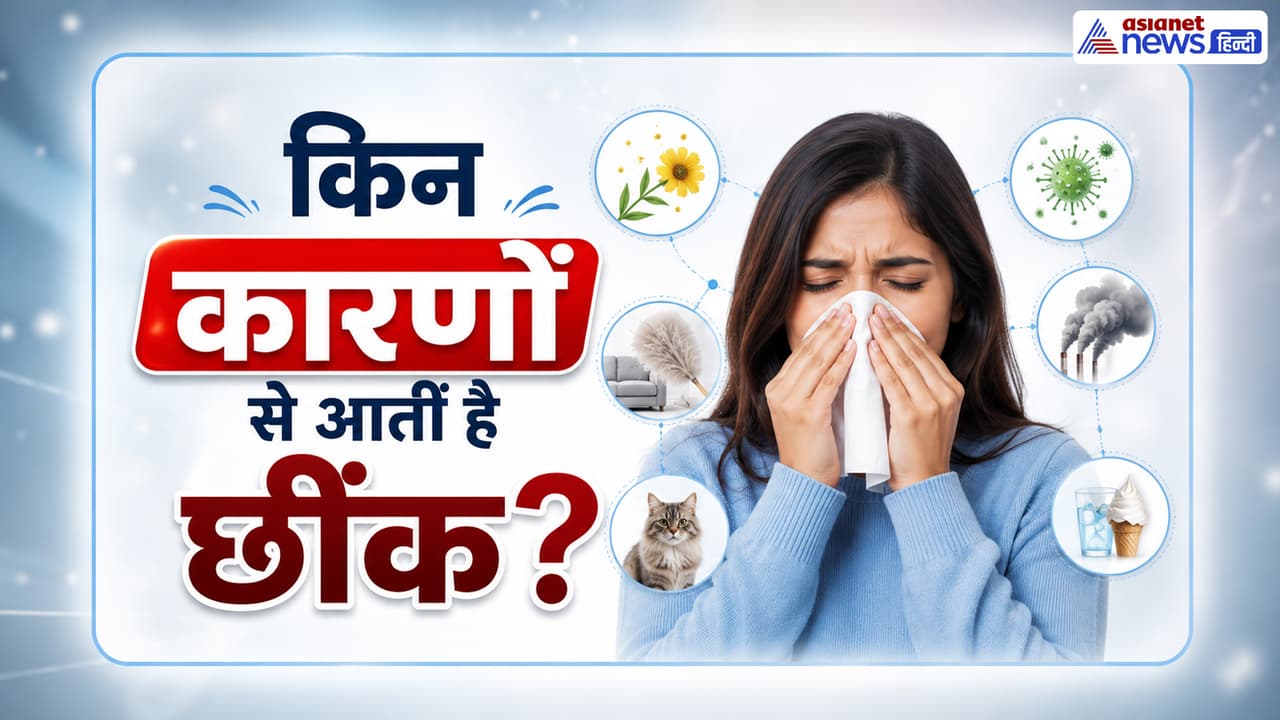
What causes sneezing?
- dust and dirt
- Pollen Allergy
- common cold or viral infection
- Strong perfume or chemical smell
- smoke and pollution
- pet hair
- Photic Sneezing
- cool breeze
- Spicy food also causes some people to sneeze.
36
Image Credit: Getty
Is it normal to sneeze frequently?
- 1-2 sneezes a day are considered normal.
- If sneezing continues for several days and is accompanied by runny nose, itching in the eyes or difficulty in breathing, then it can be a sign of allergy.
- If sneezing is accompanied by high fever, body pain and throat infection, then it could be due to a viral disease.
- Consult a doctor if you experience prolonged sneezing.
46
Image Credit: Getty
Is it right or wrong to stop sneezing?
- According to doctors, it is not right to stop the sneeze forcefully.
- Stopping a sneeze can increase the pressure inside the nose and ears.
- This may affect the eardrum, sinus or throat.
- Instead of trying to stop a sneeze, one should cover the mouth and nose with a handkerchief or elbow.
56
Image Credit: Getty
Interesting facts related to sneezing
- The wind speed during a sneeze can reach approximately 150–160 km/h.
- When one sneezes, the eyes automatically close for a few seconds.
- The condition of sneezing after seeing bright light is called Photic Sneeze Reflex. It is genetic in some people.
- Many animals such as dogs and cats also sneeze.
- Millions of small particles stuck in the nose come out through sneezing.
66
Image Credit: Getty
What to do when you sneeze?
- Cover mouth and nose with handkerchief or tissue.
- Throw away the tissue after using it.
- Wash hands thoroughly with soap or use sanitizer.
- If you are allergic, avoid dust, smoke and allergy causing things.
- Drink enough water and consult a doctor if needed.
Welcome to the Asianet News Hindi General Knowledge (GK) Hub, your go-to destination for amazing facts, interesting information, everyday science explainers, “Did You Know?” stories, curiosity-driven content, and answers to intriguing “Aisa Kyu?” questions. Explore fascinating insights about science, nature, history, technology, space, health, and the world around you—all explained in a simple and engaging way.