The U.S. auto market is giving Toyota an unexpected measure of vindication. After years of criticism that it was moving too slowly on , the company now looks well-positioned as buyers favor hybrids while still producing a handful of appealingly affordable fully too.
What’s happening?
A new Lexus flagship EV was part of Toyota’s planned acceleration later this year; the model was supposed to help begin the brand’s move toward all-electric sales by 2035, reported.
The U.S. market, however, is moving in a different direction than many expected. Buyers have been backing away from EVs while hybrid sales have climbed amid rising gasoline prices.
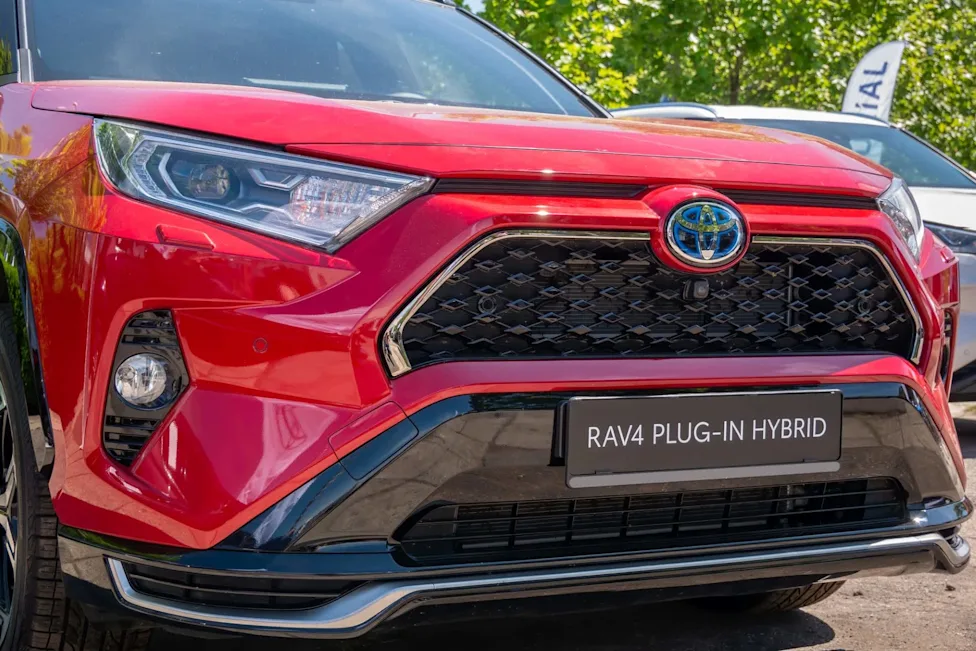
That shift plays in favor of Toyota’s strategy. Rather than betting primarily on fully battery-powered models, the company stayed focused on hybrids, such as the Prius and RAV4, which pair a gas engine with a battery and do not need to be plugged in.
In the American market, that could turn Toyota’s once-criticized caution into a competitive advantage.
The effort to move transportation in a cleaner direction may be affected by this trend, but as some would say, perfect shouldn’t become the enemy of good, either.
Why does it matter?
Hybrids can reduce fuel use compared with traditional gas-powered vehicles, and for many households they offer a practical middle ground. They can ease range anxiety, avoid charging concerns, and still cut trips to the gas station.
However, hybrids still rely on gasoline. If more Americans choose them instead of fully electric vehicles, the country’s move away from fossil fuels could slow at a time when transportation remains one of the largest sources of planet-warming pollution.
Some of Toyota’s models, like the RAV4, offer a plug-in hybrid option, and many drivers of those go weeks without using any gasoline, depending on how long they drive per day (the RAV4 can go 54 miles on EV-only mode). But even those are forced to use gas for any longer trips.
Slower EV adoption can mean more tailpipe pollution in communities near busy roads, greater exposure to volatile gas prices, and fewer chances for families to benefit from the lower fueling and maintenance costs that many EV owners see over time.
The rollback of EV-friendly policies also makes the cleanest vehicles harder for everyday buyers to afford. Higher-income households may still be able to purchase an EV without tax credits, but many middle-class families depend on that extra support to make the numbers work.
What’s in the works?
Toyota still appears to be planning for an electric future. The Lexus flagship suggests battery-powered vehicles remain part of its strategy, while the company’s hybrid-heavy lineup gives it flexibility in a U.S. market that has cooled on EVs.
While they have not sold like hotcakes, Toyota currently offers the still-popular bZ, bZ Woodland, and C-HR EV options, with a fully electric Highlander coming later this year that will offer 320 miles of range and vehicle-to-load capabilities such as powering a whole home in an outage.
Lexus also already has the fully electric RZ SUV and ES sedan models, too, in addition to the upcoming TZ SUV and IS sports sedan.
Budget, driving habits, and access to charging still shape the choice. If a fully electric vehicle is out of reach, a hybrid can still reduce fuel use compared with a conventional gas-powered car and may offer immediate savings at the pump.
Local and state incentives, utility rebates, and used EV options can make electric driving more affordable even as federal support shrinks. Calculating total ownership costs, not just the sticker price, can also shift the equation.
Communities benefit when policies make cleaner transportation easier to access, not harder. Expanding charging networks, preserving incentives, and increasing affordable EV options would help more families take part in the transition rather than leaving cleaner driving as a luxury purchase.
Toyota’s patience may be paying off for now. But if policy changes continue pushing buyers away from fully electric vehicles, that can result in a slower path to cleaner air, lower household fuel costs, and a healthier future for everyone.