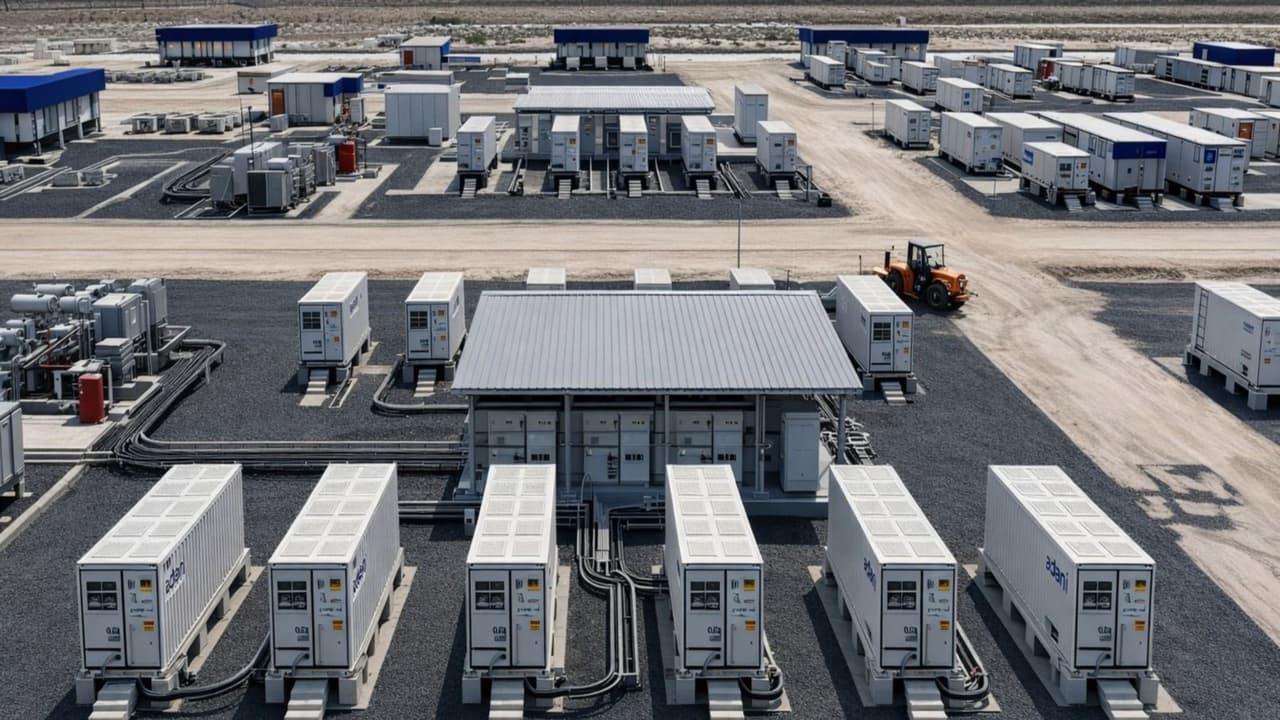
According to HSBC report, India is rapidly increasing its battery storage capacity to meet the evening electricity demand. Current capacity has reached 2.7 GW/7.5 GWh, while 42 GWh of projects are under construction.
New Delhi [भारत]June 30 (ANI): India is rapidly increasing its battery energy storage capacity, according to a report by HSBC Global Investment Research. This is helping the power system to meet the increased demand for electricity in the evening, especially during heatwaves.
The report said that the operational battery energy storage system (BESS) capacity in India has reached 2.7 GW/7.5 GWh. This increased significantly during May, as developers increasingly invested in storage projects to support renewable energy integration.
Storage pipeline and future plans
“Energy storage systems are increasingly contributing to meeting evening peak demand. At peak demand of approximately 240GW at 22:45 on June 2, BESS and PSP contributed approximately 4.5GW,” the report said.
HSBC also noted that India’s storage pipeline remains strong, with approximately 42 GWh of projects under construction and 40 GWh of projects already allocated. The report estimates that there will be a huge increase in capacity over the next three years, as the country expands renewable energy capacity while also strengthening grid reliability.
Electricity demand increased due to delay in summer and monsoon
Demand for electricity remains high even during the summer months. “Power demand also increased by 8.5% in the first 20 days of June, with peak demand reaching 260GW in June after reaching an all-time high of 271GW in May,” according to the report.
The report attributed this increased demand for electricity to the delay in monsoon rains and the ongoing heatwave, due to which cooling needs have increased in many states. It also said that due to strong demand, average electricity prices on the Indian Energy Exchange (IEX) also increased during May.
Renewable energy and domestic construction
On the renewable energy front, HSBC said solar capacity expansion has moderated after two months of strong growth, although renewable energy capacity continues to expand. The report also highlights the implementation of the Approved List of Models and Manufacturers (ALMM) norms for solar cells from June 1.
“As the domestic sales requirement comes into effect from June 1, 2026, we expect module supply and capacity commissioning to remain under pressure for some time while manufacturers add capacity,” the report said.
The report further said that even though reduced domestic cell availability may temporarily impact module supplies and project commissioning, India’s long-term renewable energy and storage outlook remains positive as capacity expansion in the sector continues. (ANI)
(Except for the headline, this story has not been edited by Asianetnews Editorial staff and is published from a syndicated feed.)