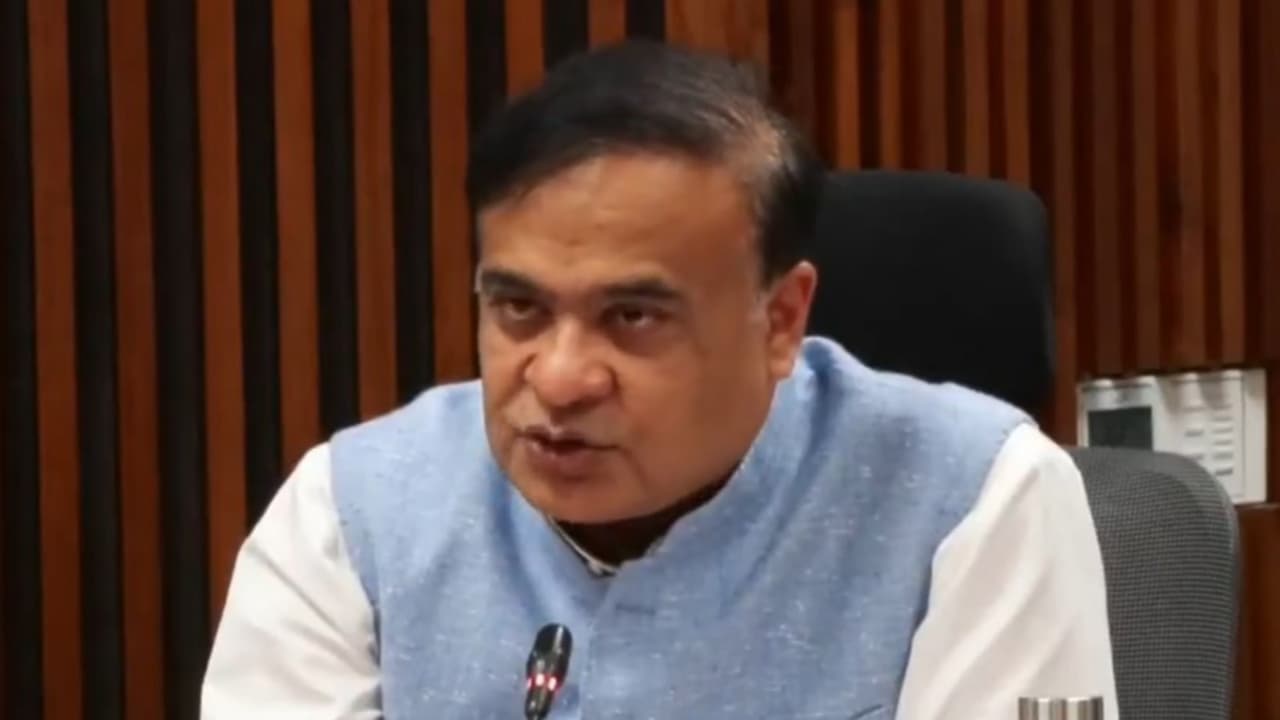
A tripartite agreement for energy exploration along the Assam-Nagaland border was signed to enhance India’s energy security. The pact, involving over 1,000 sq km, aims to unlock hydrocarbon and mineral reserves and resolve a long-standing issue.
In a significant step towards enhancing India’s energy security and achieving greater self-sufficiency in the energy sector, a tripartite agreement on energy exploration and extraction was signed on Thursday in the presence of Union Home Minister Amit Shah, Union Petroleum and Natural Gas Minister Hardeep Singh Puri, Nagaland Chief Minister Neiphiu Rio, and Assam Chief Minister Himanta Biswa Sarma.
Unlocking Untapped Potential
The agreement, signed under the guidance of Prime Minister Narendra Modi, seeks to facilitate exploration and production activities across more than 1,000 square kilometres of land along the Assam-Nagaland border, an area believed to possess substantial energy and mineral reserves.
According to Chief Minister Himanta Biswa Sarma, the pact marks a decisive breakthrough in unlocking the untapped potential of the region. The identified area is expected to offer significant opportunities for hydrocarbon exploration and mineral extraction, contributing to the country’s long-term energy requirements.
“The boundary issue between Assam and Nagaland is a long standing issue due to which the natural resources lying in the area could not be utilised for the nation. Today with signing of the MoU in presence of Adarniya @AmitShah ji, this bottleneck is now removed,” CM said on X.
Boosting North East’s Economic Growth
Officials believe that the initiative will accelerate investments in the energy sector and create new economic opportunities across the North East. The agreement is expected to provide fresh momentum to India’s pursuit of energy self-reliance, with the North Eastern region emerging as a crucial driver of that vision.
The Centre has consistently emphasised the strategic importance of the North East in national development, particularly in sectors such as energy, infrastructure, connectivity and trade. The latest initiative aligns with the government’s broader objective of reducing dependence on imported energy resources.
A ‘New Era’ of Cooperative Federalism
Chief Minister Sarma said the agreement reflects the Modi government’s commitment to resolving complex and long-pending issues that have historically hindered development and resource utilisation in the region. He described the pact as an example of cooperative federalism and coordinated efforts between the Centre and state governments to unlock the economic potential of the North East.
Calling it the beginning of a ‘new era’ for the Ashtalakshmi region, a term often used to describe the eight North Eastern states, the Assam Chief Minister expressed confidence that the agreement would bring transformative growth and prosperity to the region.
The development is being viewed as a major milestone in strengthening India’s energy infrastructure while simultaneously accelerating economic development in the North East. (ANI)
(Except for the headline, this story has not been edited by Asianet Newsable English staff and is published from a syndicated feed.)