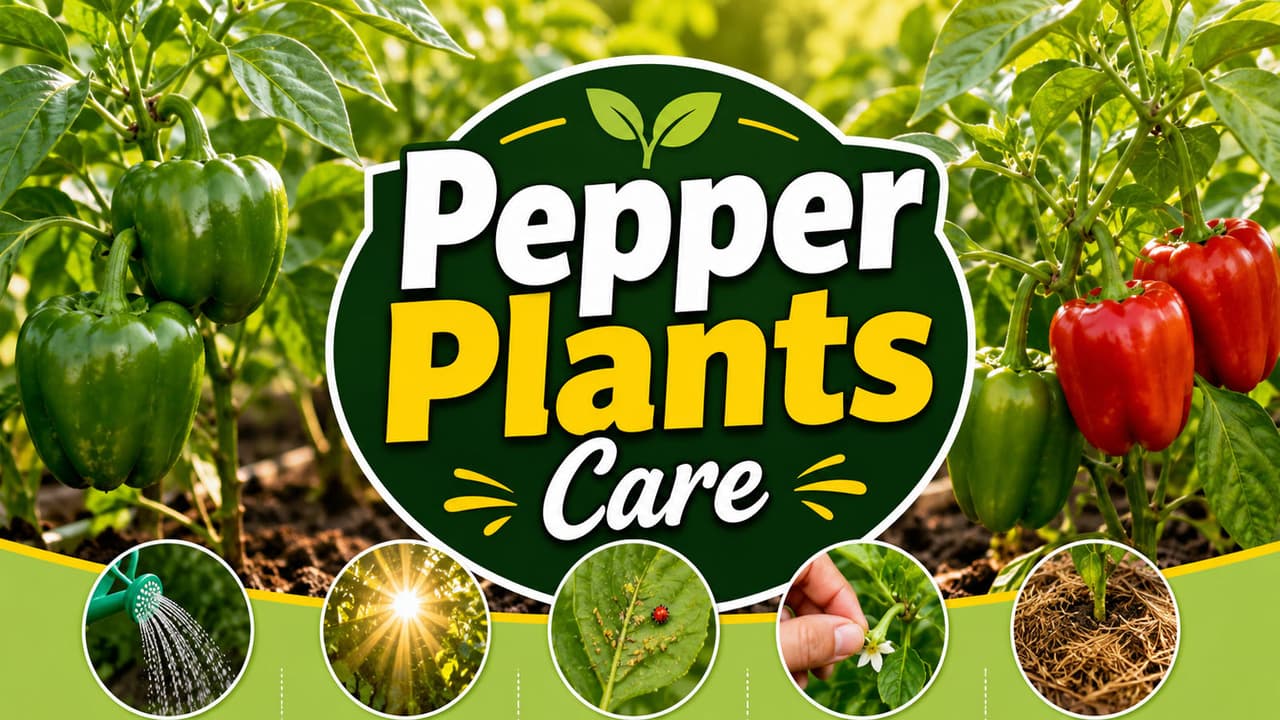
June Gardening Tips for Bell Peppers: Do you want your pepper plants to produce bountiful and healthy fruits all summer long? In such a situation, which important tasks should not be ignored in June, which can lead to better growth?
If you have planted chilli plants in this season, then the month of June is very important for their good growth and getting more fruits. Whether your plants have just been planted or are a little older, proper care at this time can result in impressive yields throughout the season. Chilli plants are not very picky. If they get good sunlight, fertile soil and sufficient water, they grow rapidly and bear abundant fruit. Let us know 5 important tasks for chilli plants in June, by adopting which you can get a great harvest.
give plants enough water
In June the temperature starts rising rapidly and hot winds quickly deplete the soil moisture. In such a situation, regular watering of chilli plants is the most important task. The soil of newly planted plants should always remain slightly moist, but there should not be any waterlogging. Irrigate deeply 2 to 3 times a week so that the roots can develop deep into the soil. Strong and deep roots help plants withstand drought. Larger plants also require about 1 to 2 inches of water each week. Try to ensure that water reaches the roots directly, this keeps the plants healthy.
Read More – Best Baking Soda for Growing Sweet Tomatoes? Know the truth about viral gardening trick
ensure plenty of sunlight
Chilli is a vegetable that likes plenty of sunlight. If plants do not get enough sunlight, they will grow tall and weak and bear less fruit. Chilli plants should receive at least 6 hours of direct sunlight every day. However, plants perform even better when they receive 8 to 12 hours of sunlight. Morning sunlight is particularly beneficial, while some protection from very strong afternoon sunlight is also necessary. If the shade of any tree or other plant is falling on the chilli plants, then remove it or shift the plant to a sunnier place.
keep an eye on pests
The season of June is liked not only by plants but also by many types of insects. Aphids, caterpillars and other sucking insects can attack rapidly during this time. Check plants at least twice each week. Look especially under the leaves, as most insects hide there. If the leaves start curling, look yellow or have a sticky substance on them, it could be a sign of pests. Most common pests can be controlled by using neem oil spray. Identifying pests in the early stages can prevent major losses later on.
Read more – Best Garden Bugs: Never drive away 8 garden insects, they are not enemies but friends.
remove early flowers
Many gardeners do not like this work, but it is considered very beneficial for chilli plants. When the plant is still small and the initial flowers start appearing on it, they should be plucked gently. By doing this, the plant’s energy is used to strengthen the roots and leaves instead of producing fruits. Stronger plants produce more and better quality peppers. Therefore removing the first few flowers can increase production in the long run.
do mulching
Mulching means covering the soil around plants with some organic material. This is a simple but very effective technique. Natural materials like dry grass, leaves, straw or coconut husk can be used as mulch. Due to this, soil moisture remains for a long time, weeds grow less and the roots get protection from excessive heat. Apart from this, the risk of many diseases spreading due to splashes of soil during rains also reduces.