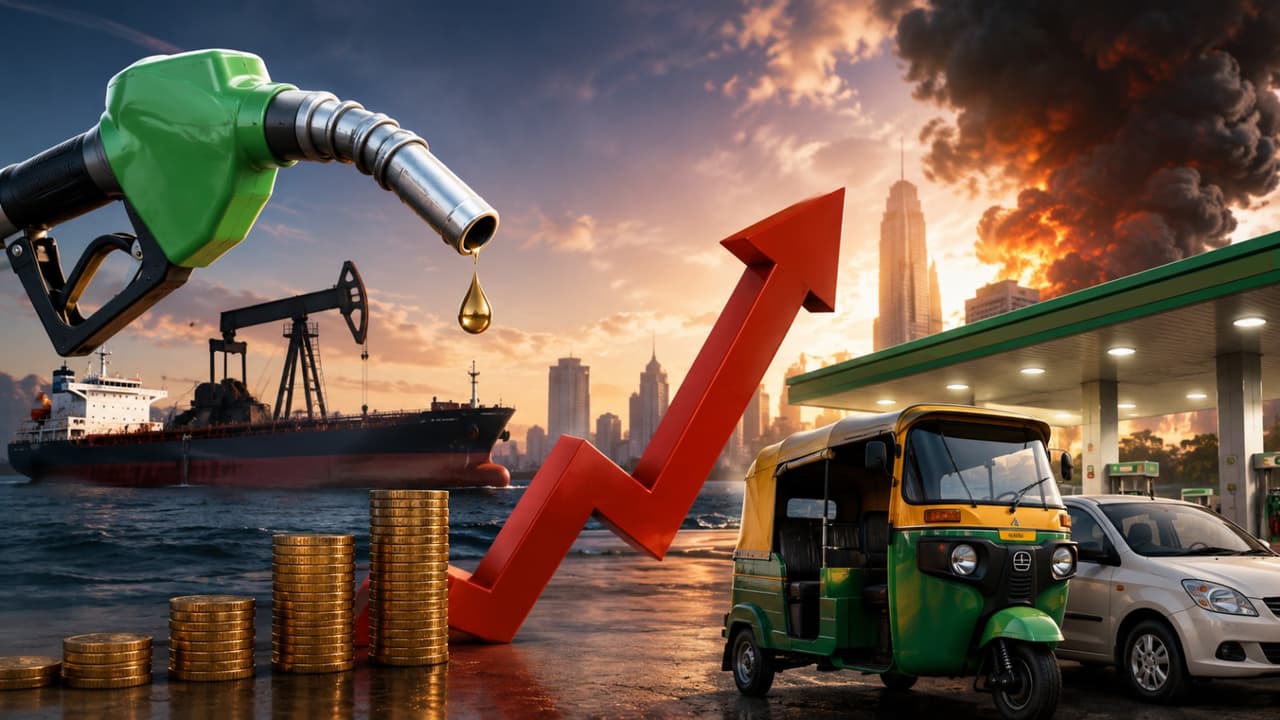
India has launched E85 fuel, a blend of 85% ethanol and 15% petrol, to promote cleaner energy and reduce dependence on imported crude oil. Priced significantly lower than conventional petrol, it is being introduced in phases at select stations. However, this new fuel can only be used safely in specially designed flex-fuel vehicles.
Fuel prices remained a key talking point on June 8 as India continued the rollout of E85 petrol, a new fuel blend containing 85% ethanol and 15% petrol. The launch marks a major step in the government’s push towards cleaner and more domestically sourced energy. The new E85 fuel is being sold at around Rs 20 per litre less than E20 petrol, raising questions about whether motorists can expect lower fuel costs in the future.
According to Petroleum Minister Hardeep Singh Puri, E85 is designed to reduce dependence on imported crude oil while supporting the country’s ethanol-blending programme. However, only flex-fuel vehicles specifically designed to run on high-ethanol blends can use E85 safely.
Latest Petrol And Diesel Rates In Major Cities
Fuel prices continue to vary across states due to differences in VAT, transportation charges, dealer commissions, and local taxes. Oil marketing companies revise retail fuel prices daily based on global crude oil movements and currency fluctuations.
What Is E85 Fuel?
E85 is a high-ethanol fuel blend containing 80-85% ethanol. The government believes wider adoption of ethanol-based fuels can help reduce oil imports, lower emissions, and improve India’s energy security. E85 has initially been introduced at select fuel stations, with expansion planned in phases.
Industry experts note that while E85 is cheaper at the pump, fuel efficiency can differ from conventional petrol, making vehicle compatibility an important factor for consumers. Only approved flex-fuel vehicles should use the new fuel variant.
Global Oil Trends Still Matter
Even as India expands its ethanol programme, domestic petrol and diesel prices remain heavily influenced by global crude oil markets. Rising geopolitical tensions, supply concerns, and fluctuations in international demand continue to impact fuel pricing worldwide.
For now, consumers can expect fuel prices to remain closely linked to both international crude oil trends and the government’s broader energy transition strategy. The rollout of E85 represents a significant milestone, but its long-term impact on fuel costs will depend on adoption rates, vehicle compatibility, and global energy markets.