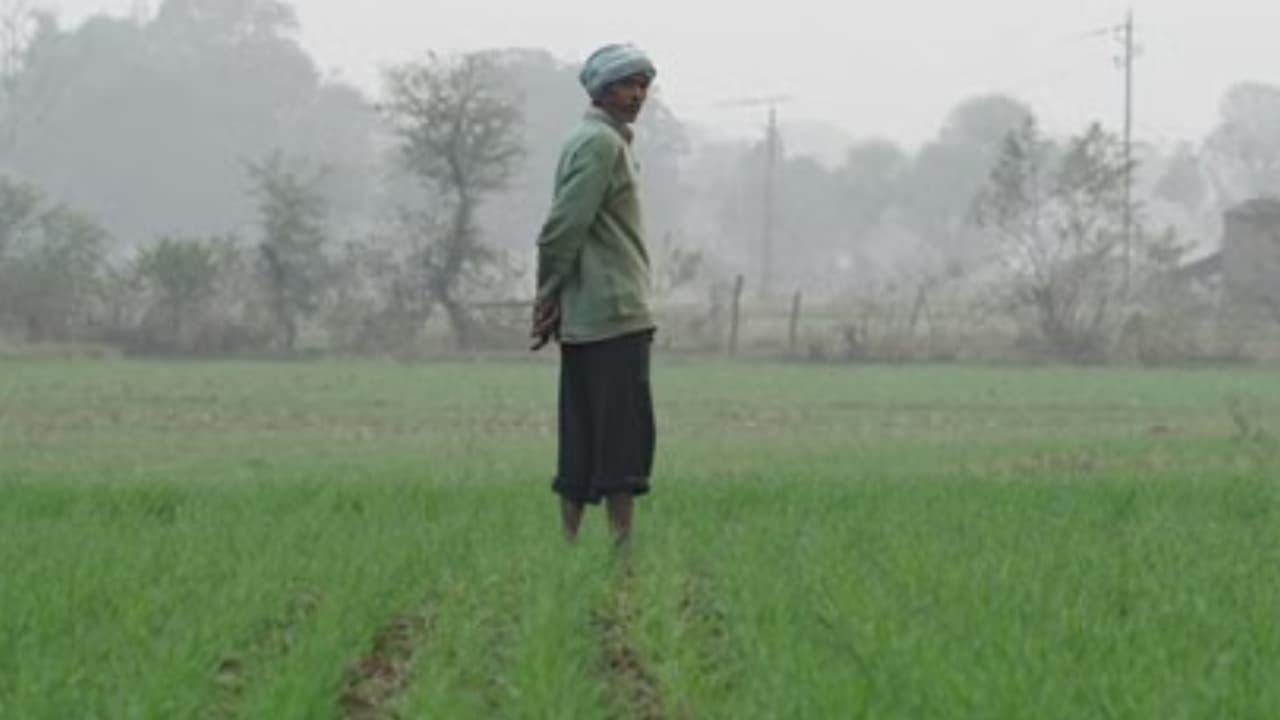
Uttarakhand’s Millet Policy 2025-26 promotes mandua, jhangora and other traditional crops across 11 districts, with a focus on cultivation, processing, value addition and better market opportunities for farmers.
Uttarakhand has turned its attention back to the agricultural practices of the past while searching for contemporary methods of increasing agricultural income. One of the main activities carried out by the government of the region involves promoting traditional crops like mandua, jhangora, ramdana, kauni and china, and paying particular attention to their production, processing and marketing.
The Chief Minister of Uttarakhand Pushkar Singh Dhami frequently emphasizes the importance of promoting traditional agriculture and introducing farmers to modern technologies and markets. Also, the priorities of the Agriculture Department include the promotion of millet, crop conservation, value addition and profitable marketing.
Uttarakhand State Millets Policy Is Focused on Traditional Crops
The Uttarakhand State Millets Policy 2025-26 involves 11 districts of the state and concerns mandua (finger millet), jhangora (barnyard millet), ramdana (amaranth), kauni and china (foxtail millet). The policy will be introduced in two phases, during which 30,000 hectares of 24 development blocks will be included from 2025-26 to 2027-28. Phase 2 is scheduled for 2028-29 to 2030-31 and includes 44 development blocks of 40,000 hectares.
The State Millets Policy is listed on the list of official policies by the Agriculture Department of Uttarakhand.
From Production to Processing and Marketing
The plan is not only aimed at boosting cultivation. The larger goal here is to boost processing, value addition, and marketing, which would reduce the dependency of farmers on just selling the raw grains.
Millet could be processed into flour, snacks, and other foods, thus giving way for more processing and economic activity. The Agricultural department itself regards crop diversification and value addition as ways of boosting income on farms.
Why Millets are Important for Uttarakhand
Mandua and other grains have been used in farming practices in the hills for a long time. It is also consistent with the goals of the state regarding crop diversification and sustainable farming.
Recent initiatives supported by the government include an increase in mandua collection centres and market promotion. As per the report of 2025, there was an increase in the number of mandua collection centres up to 270 in 2024-25 from 23 in 2020-21.
Aiming to Create a Millet Economy
It is hoped that through the process of establishing connections from seed production and farming to harvesting and marketing, traditional crops would give further economic options without losing agricultural traditions of Uttarakhand.
Thus, the policy is an attempt to transform millets into not only a traditional agricultural crop, but also into a component of a rural economy.