In Yemen’s Hadramout region, families depend on centuries-old date harvesting traditions for survival, even as poverty, war and failing infrastructure threaten their livelihoods.
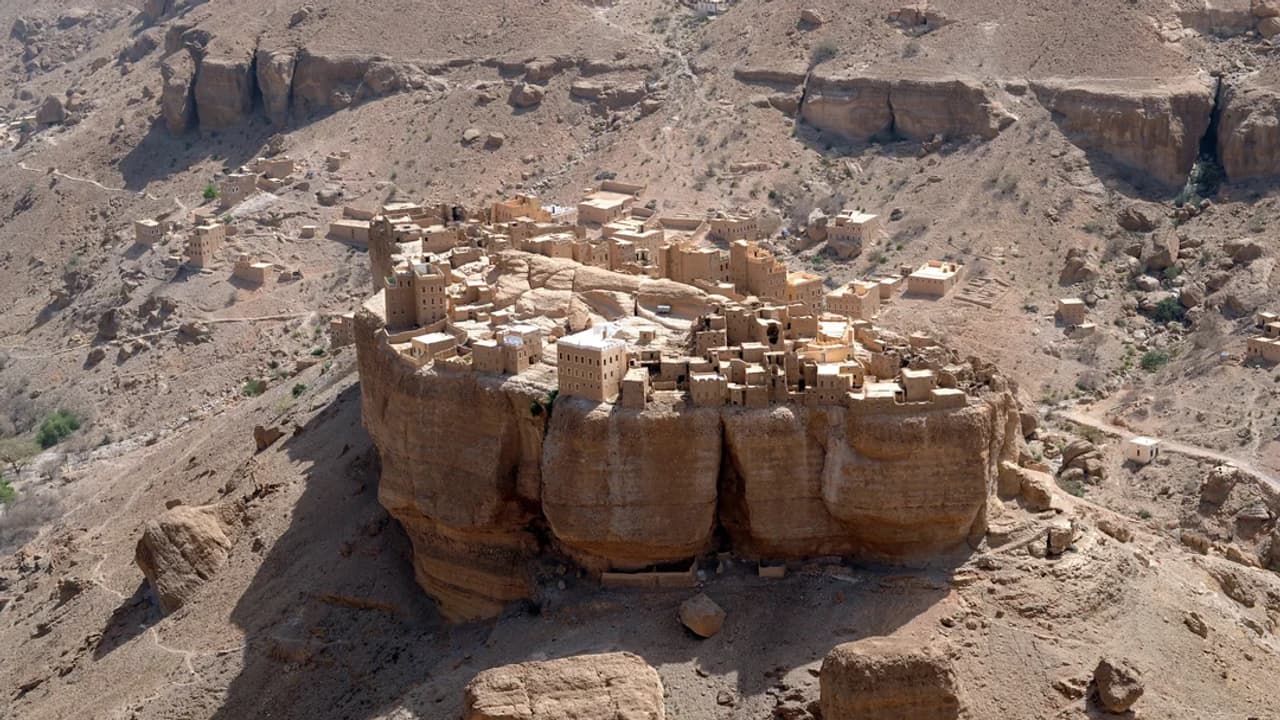
Under the scorching sun of eastern Yemen’s Hadramout region, families gather for the annual date harvest, working among dark mounds of fruit spread across rocky ground. In Hajr, two hours west of Mukalla, farmers dry, clean and prepare dates for sale using traditional techniques that have endured for centuries.
Nabeel Ahmed and his family arrive before sunrise to tend their harvest. “My wife, my brothers and I come here before sunrise and stay until the sun gets hot,” he says, running his hands through a pile of dates. Farmers return daily to sort and turn the fruit, removing damaged pieces to make the harvest more appealing to buyers.
Dates As Food And Income
For many families, dates are both a source of income and a basic food safety net. Nabeel explains that he sells part of his harvest while keeping some for his family. “We usually eat dates with coffee every day. This is my sole source of income,” he says.
Buyers move between piles, negotiating prices. Some farmers succeed in selling, while others struggle. Rashed Mohammed, a father of four, worries he will not repay his debt of one million Yemeni riyals to a local grocery if his dates remain unsold. Like many, he buys food on credit throughout the year, promising repayment after the harvest.
If buyers do not arrive, farmers sleep in makeshift shelters built from palm fronds to guard their produce from thieves and stray dogs, waiting for customers who may come at any hour.
Hajr’s scattered communities face deteriorating roads, poor mobile service and no electricity. The district has also suffered repeated cholera outbreaks due to inadequate sanitation and lack of clean water.
Floods recently destroyed a small dam that diverted river water to palm groves, leaving many trees dying. Along the valley road, bare trunks and dried fronds mark the damage. Farmers say rebuilding the dam is their most urgent demand.
Awadh Mubarak, head of a local farmers’ committee, warns that many have abandoned agriculture for other jobs or emigrated. “Our primary demand is the reconstruction of the dam. The situation is extremely difficult,” he says.
Calls For Investment
Farmers have urged authorities and investors to build a date-processing and packaging factory. They argue such a facility would save time and help market produce more efficiently. “Instead of my family and me going out every day to clean the dates, we could take them to the factory, where they could be processed in a day,” Awadh explains.
Despite hardships, Hajr’s dates remain prized. Buyer Omer Mohammed travelled from a mountainous village in Hadramout, citing their reputation and health benefits. “Hajr dates are the best in Hadramout because they are low in sugar,” he says, recalling a local belief that residents’ diet made them healthier donors for blood.
For Omer, stocking dates ensures food security. “If I have dates in my house, I feel food secure, even if I don’t eat them,” he says. Hajr’s palm groves, estimated at more than two million trees, remain the centre of its fragile economy.