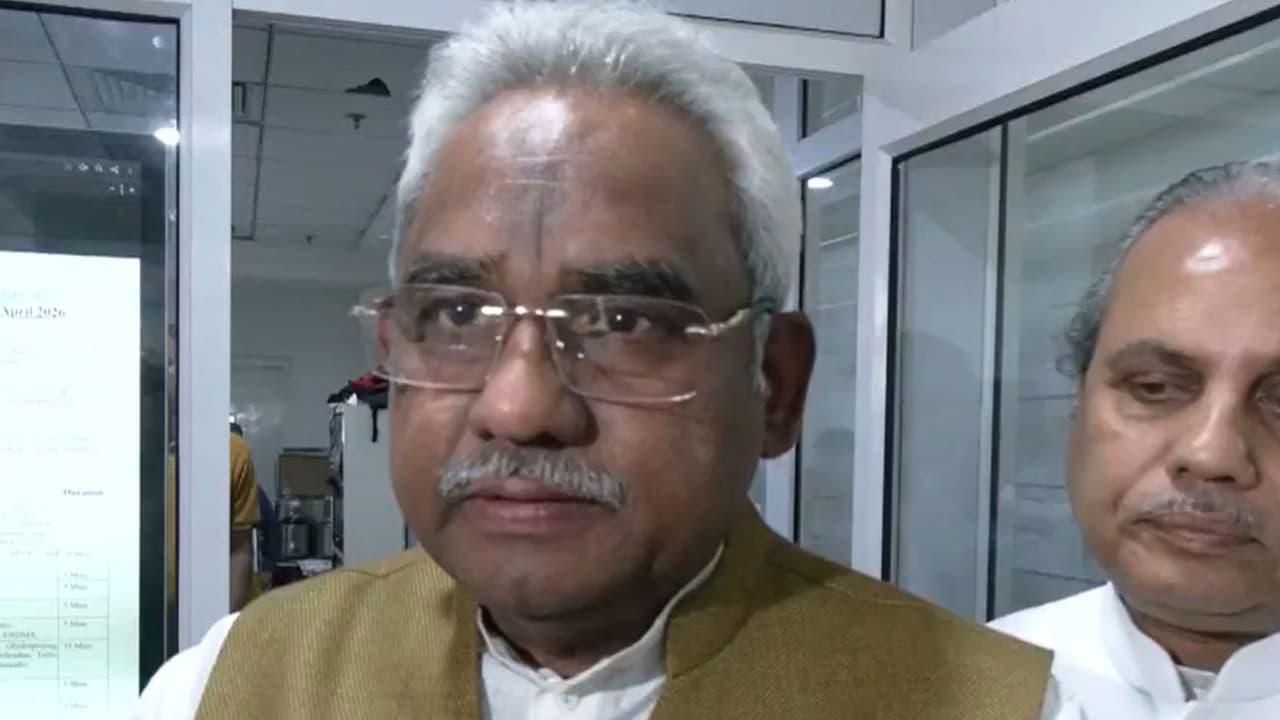
Uttarakhand Minister Madan Kaushik directed authorities to use advanced tech for monitoring glacial lakes and mitigating risks. He also reviewed the state’s disaster preparedness for continuous rainfall, ordering departments to be on 24×7 alert.
In view of the potential threat posed by glacial lakes in the state, Uttarakhand Disaster Management and Rehabilitation Minister Madan Kaushik has directed authorities to adopt the latest technologies available worldwide for monitoring glacial lakes and mitigating associated risks.
On Sunday, the minister visited the State Emergency Operations Centre (SEOC) and took detailed information about the condition of glacial lakes in Uttarakhand and the potential risks associated with them.
Modern Technology for Glacial Lake Monitoring
Kaushik said that Uttarakhand is geographically a sensitive state and, given the impact of climate change, scientific monitoring of changes in glaciers and glacial lakes is extremely important. He directed officials to use modern technology for continuous and real-time monitoring of glacial lakes. The minister said that the water level, size, water accumulation and other potential changes in glacial lakes should be monitored continuously. He directed authorities to explore and adopt, as required, technologies such as satellite imagery, remote sensing, drones, sensor-based monitoring and other advanced systems.
Kaushik also instructed authorities to ensure better coordination among concerned departments, expert institutions and technical agencies for monitoring glacial lakes. He said early warning systems should be installed wherever required so that any abnormal situation can be detected in time and people living in potentially affected areas can be alerted in advance.
Review of Rainfall Situation and Disaster Preparedness
The minister also conducted a detailed review of the situation arising from continuous rainfall across the state. He made it clear that protecting human life is the state government’s top priority and directed all departments to remain on alert 24×7 and work in close coordination to effectively deal with any potential disaster. He reviewed the rainfall situation across the state, river water levels, blocked roads, landslide-affected areas, relief and rescue operations, power and drinking water supply, communication networks and other essential services.
Ensuring Swift Response and Road Restoration
Taking stock of rainfall in various districts, weather forecasts and preparedness for the coming days, he directed authorities to maintain constant monitoring and ensure swift action in any emergency. Kaushik directed the SEOC to maintain continuous coordination with all districts. He said blocked roads should be reopened on priority and adequate machinery should be pre-positioned at landslide-prone and vulnerable locations. JCBs, Pokland machines, necessary equipment and technical teams should be deployed in advance at locations where landslides or road blockages are more likely, so that traffic can be restored immediately in case of disruption. He also directed authorities to ensure effective drainage in waterlogged areas and keep an adequate number of pumps and other essential equipment ready.
Priority on Restoring Essential Services
All departments were asked to work with complete coordination, vigilance and sensitivity to ensure immediate and effective action during any disaster situation. The minister said restoration of electricity, drinking water and communication services should be treated as a top priority. If these services are disrupted anywhere, additional teams should be deployed immediately and alternative arrangements should be put in place to ensure that people continue to receive essential services. He directed the NDRF, SDRF, police, health department, Public Works Department, electricity department, drinking water department, food and civil supplies department, and all other concerned agencies to work in complete coordination across all districts.
Safeguarding People and Essential Supplies
Adequate stocks of food grains, medicines, fuel and other essential commodities should be ensured in advance in remote and vulnerable areas so that local residents do not face hardship if roads are blocked. The minister further directed that travel and pilgrimages should be operated only after taking the actual weather situation into account. In the event of heavy rainfall or road blockages, travellers should be stopped at safe locations and provided with necessary facilities. They should be allowed to proceed only after conditions return to normal. Kaushik also directed officials to maintain round-the-clock monitoring of river water levels. He said people living in riverbank areas should be continuously made aware of potential risks and shifted to safer locations in time if there is any threat. He further directed that people living in downstream areas must be informed and alerted in advance whenever water is released from dams and barrages. Bordering states should also be alerted in time, wherever necessary, to minimise any potential risk.
Strengthening Communication Networks
The minister said that if communication networks are disrupted due to heavy rainfall or landslides, alternative communication systems should be activated immediately. He laid special emphasis on strengthening alternative communication arrangements in remote and inaccessible areas, saying that backup communication systems must be readily available if mobile or other communication services are disrupted during a natural disaster so that relief and rescue operations are not affected.
Special Focus on Vulnerable Populations
Kaushik also directed officials to keep special watch on pregnant women, senior citizens, persons with disabilities and people suffering from serious illnesses. He said pregnant women living in vulnerable areas should be shifted in advance, wherever necessary, to safe locations or places with adequate medical facilities. Helicopter services should also be made available wherever required. He stressed that no loss of life should occur due to the unavailability of medical assistance under any circumstances.
Dengue Prevention Measures Reviewed
The minister also reviewed measures for the prevention of dengue in the state. Describing dengue control as one of the state government’s top priorities, he directed all municipal corporations, municipalities, Nagar Panchayats and Gram Panchayats to launch intensive campaigns on a war footing. He said all waterlogged areas should be identified immediately and proper drainage ensured. Regular fogging, anti-larval spraying and special cleanliness drives should also be carried out.
Ensuring Medical Readiness for Dengue
Kaushik further directed that all district hospitals, community health centres and primary health centres should ensure adequate availability of dengue testing kits, medicines, blood, beds and medical personnel. (ANI)
(Except for the headline, this story has not been edited by Asianet Newsable English staff and is published from a syndicated feed.)