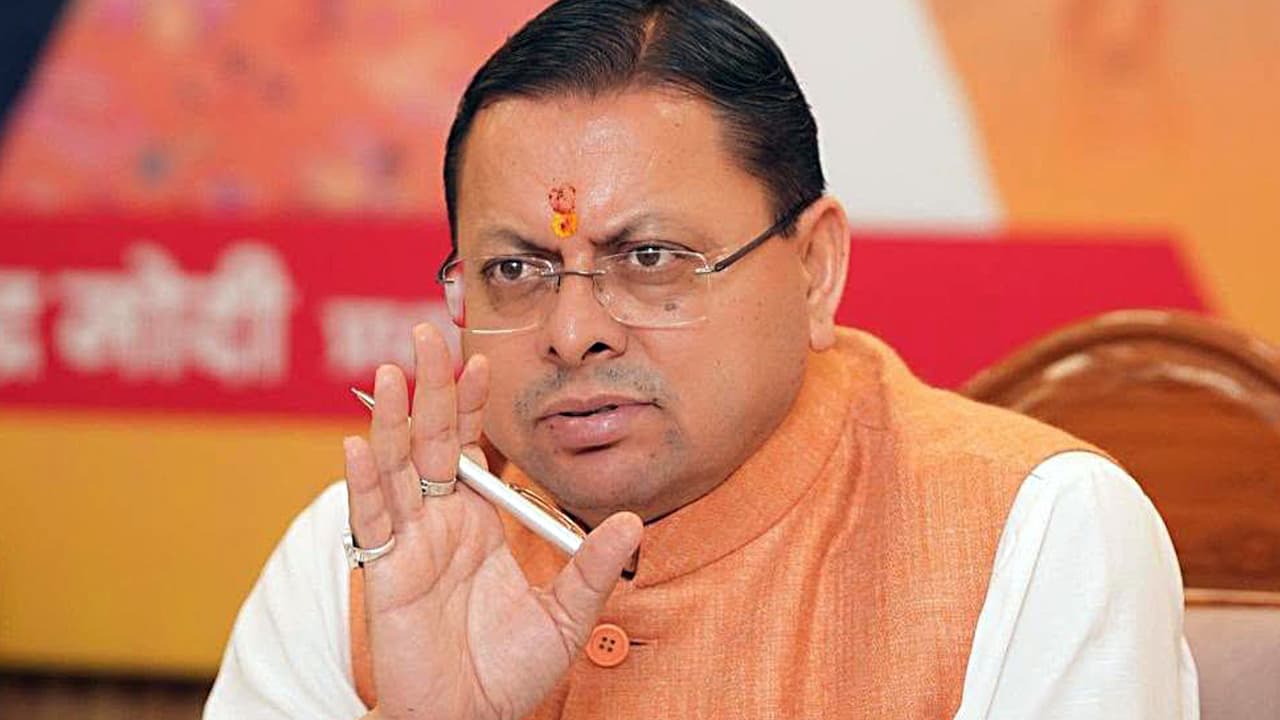
The Dhami Model focuses on Uttarakhand’s disaster recovery through relief, rehabilitation, livelihood support and preparedness. More than ₹33 crore was allocated for recovery efforts in affected areas.
While Uttarakhand’s spectacular mountains and valleys make it one of India’s biggest tourist destinations, its rough geography makes it susceptible to natural calamities such as landslides, cloudbursts, and others that have wide-ranging consequences.
Against such a backdrop, the government of Uttarakhand under the leadership of Pushkar Singh Dhami has laid emphasis not only on relief measures but also on rehabilitation and reconstruction after natural disasters. This is what the ‘Dhami Model’ focuses on – rehabilitation of families and disaster preparedness.
The Problems of Dharali and Tharali
One year back, Dharali and Tharali were victims of cloudbursts and a huge amount of debris. The priority, in this case, was the protection of life and then the provision of relief. However, the bigger concern was the rehabilitation of the affected families.
Disruption of just one road in hilly areas means disruption of connectivity to schools, markets, and hospitals. The same goes for infrastructure for electricity and water that can affect the community at large. Thus, the focus on reconstruction came on the heels of relief.
More Than ₹33 Crore Dedicated for Relief and Recovery
As per data released by the government as part of the report, more than ₹33 crore was allocated for relief, rehabilitation, and development activities in the affected regions.
The recovery efforts involved various government departments. More than ₹16 crore was utilised in departments catering to the fields like animal husbandry, irrigation, horticulture, agriculture, energy, tourism, and food supply chains.
In addition to this, more than ₹17 crore was dedicated directly to the affected families via bank accounts and other direct channels of aid.
The disaster did not affect only homes but also farms. As such, compensation for the affected orchards, raising goats and sheep, and providing seeds and plants was among the activities undertaken.
Disaster Management Efforts
In addition to relief and recovery efforts, the government has been making an attempt to make future disasters less damaging. This includes warning systems, weather information platforms, and conducting mock drills as an effort to ensure better management.
Amongst others, flood protection walls on river banks, stabilisation of unstable mountainsides, and implementation of advanced engineering techniques have also been identified as steps towards making future disasters less damaging.
Government of Dhami Highlights That Families Take Precedence
In reviewing the efforts made in relation to the response to the disaster, the chief minister, Pushkar Singh Dhami, highlighted that the problem in Dharali was not just reconstruction of infrastructure but the need to safeguard the lives and futures of the affected families.
This strategy takes into consideration both the immediate relief and long-term rehabilitation and livelihood aspects as well as disaster preparedness.