According to a report by the World Gold Council, gold demand in India declined by 6 percent on an annual basis to 131.4 tonnes in the April-June quarter. The biggest reasons for this are believed to be low sales due to weather, increase in custom duty and Prime Minister Narendra Modi’s appeal to reduce gold purchases. According to WGC’s ‘Q2 2026 Gold Demand Trends’ report, the total demand in the same period last year was 139.7 tonnes.
WGC India Regional CEO Sachin Jain said that, however, this is a record in terms of the value of demand. Consumption stood at Rs 1,98,100 crore, whereas in the same period of 2025 it was Rs 1,32,500 crore. This is 50 percent more than in the second quarter of 2025, which shows that despite high prices, consumers are giving preference to gold.
Looking ahead, WGC estimates demand this year to be between 650 to 750 tonnes. Jain said that we still expect the demand to be in the range of 650 to 750 tonnes this year. However, given the current geopolitical situation, interest rates and inflation, I think we should be somewhere in the middle of this range.
If there is further correction (fall) in gold prices and custom duty is reduced, we may reach the upper end of this range. During the quarter under review, total jewelery demand in India declined by 15 percent to 75.1 tonnes, whereas it was 88.8 tonnes in the same period last year.
PM Modi had appealed
He said that factors like low demand season, Prime Minister’s appeal to buy less gold and increase in custom duty affected the demand. Prime Minister Modi in May this year had urged people to reduce non-essential gold purchases and consider other ways to save foreign exchange reserves as the country’s import bill was rising due to volatile crude oil prices. Jain expressed concern over the increase in gray market (informal market) after the increase in duty and said that there are reports that illegal gold is already reaching these markets. He said that we feel that smuggling and illegal gold entering the market is the biggest risk to this industry, and we are already getting reports about this. We will keep an eye on this in the coming quarters.
Investment increased in bars and coins
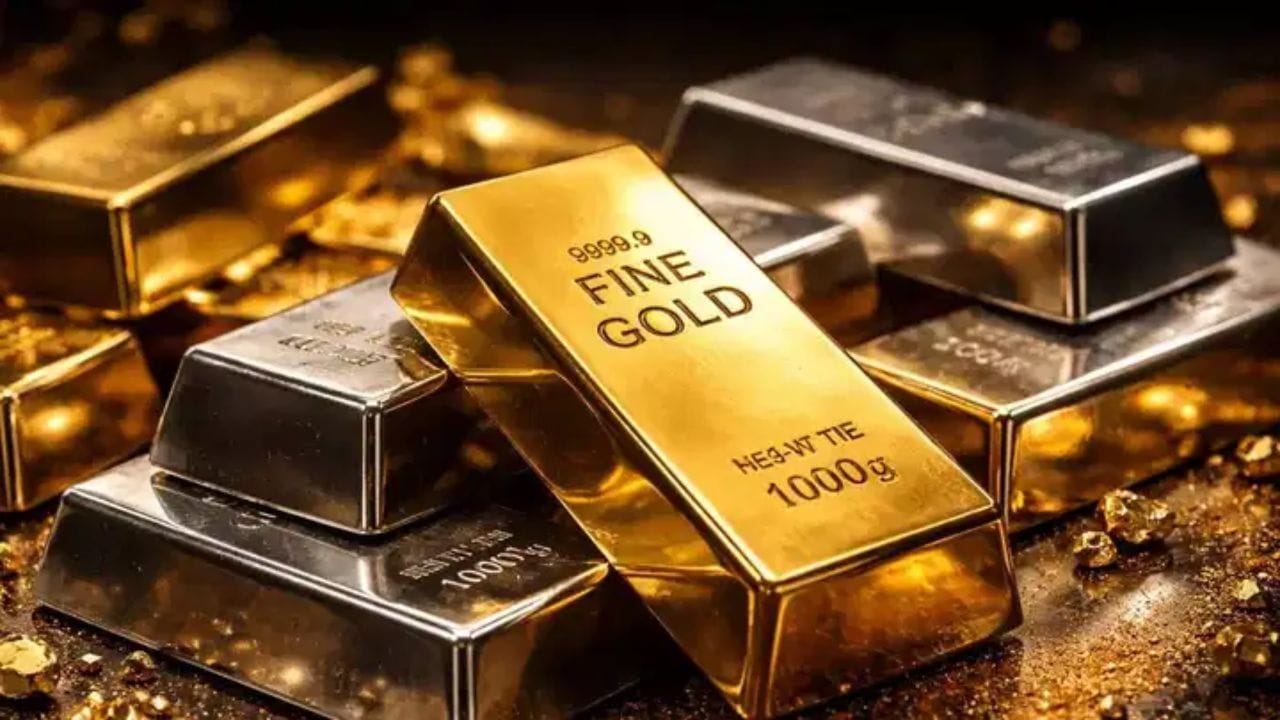
Meanwhile, demand for investment remained encouraging. Demand for bars and coins increased 9 percent year-on-year to 50.3 tonnes, while despite global outflows, there was a net inflow of 4.2 tonnes in Indian Gold ETFs. Jain said these trends reinforce the growing popularity of gold – not only as a traditional means of accumulating wealth, but also as a strategic investment that provides stability and diversification in an uncertain economic environment. Looking ahead, demand is expected to be supported by festivals and wedding season in the second half of the year. Although higher prices may impact purchasing patterns, Indian consumers have always shown the ability to adapt.
Volume of recycled gold also reduced
Meanwhile, WGC data showed that the total amount of recycled gold in India declined by 17 per cent to 19.2 tonnes in the April-June quarter, compared to 23.1 tonnes in the same period last year. Total gold imports into India in the second quarter of 2026 stood at 98.1 tonnes, which is 23 percent less than 127.4 tonnes recorded in the same period of 2025. The average price of gold in the second quarter was US $ 4,506.3 per ounce, whereas in the same period of 2025 it was US $ 3,280.4. In India, the average quarterly price of gold during April-June stood at Rs 1,50,744.8 (without import duty and GST), compared to Rs 94,875.9 in the same period last year.
