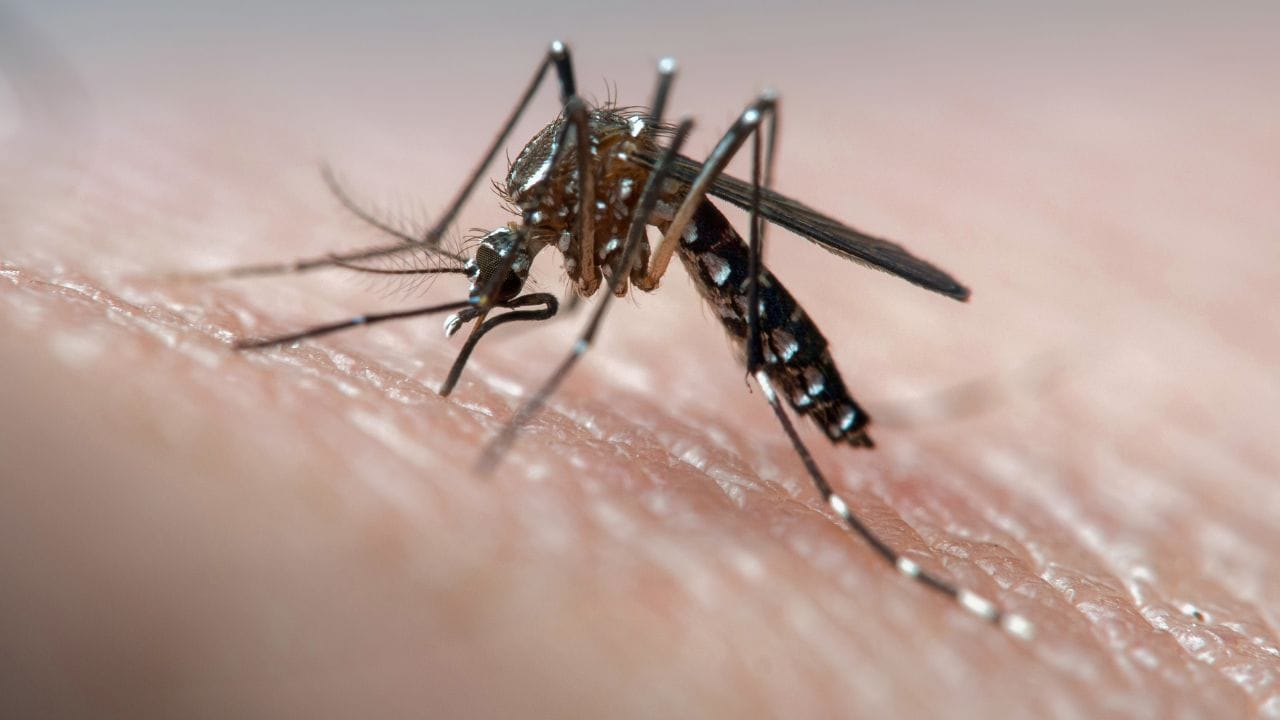
dengue Image Credit source: Getty images
Monsoon season continues in many states of the country. During this time, due to rain, water gets accumulated at many places, due to which the number of mosquitoes starts increasing rapidly. In such weather, the risk of dengue also increases significantly. Dengue is a viral disease spread by the bite of Aedes mosquito. It can cause problems like high fever, headache, pain in body and joints, pain behind the eyes and weakness. In some cases, this disease can also become serious if timely treatment is not received.
dengue When it happens, people are most worried about platelets. Many people have a question in their mind that when platelets start falling, how many platelets are considered normal and when the risk can increase. However, platelets do not fall in the same way in every patient and the severity of the disease cannot be estimated just by looking at their number. Therefore, it is very important to have correct information. Let us know when platelets fall in dengue, what signs one should be alert on and what to do in such a situation.
When do platelets start falling in dengue?
US Centers for Disease Control and Prevention (CDC) According to, platelets in dengue usually start decreasing between the third to seventh day of the disease. This time often comes when the fever starts decreasing. This is also called the critical phase of the disease. During this time, it is very important to keep an eye on the patient’s condition, because platelets can fall rapidly in some people.
However, it is not necessary for this to happen in every patient. In some people platelets decrease gradually, while in others there is not much change. Therefore, doctors recommend getting CBC and platelets checked from time to time as per need. If serious symptoms appear in the patient during this period, he should go to the hospital without any delay.
How many platelets are normal and when does the risk increase?
The number of platelets in a healthy person usually ranges between 1.5 lakh to 4.5 lakh per microliter of blood. This number may decrease in case of dengue, but it does not always mean a serious condition. Doctors not only look at the number of platelets, but also take care of the patient’s overall condition and other symptoms.
If the platelets are falling rapidly and there are also symptoms like bleeding from the nose or gums, blood in the urine or stool, red-blue spots on the skin, severe stomach pain, continuous vomiting or difficulty in breathing, then contact the doctor immediately.
Be alert immediately on these 5 signs
During dengue, there are some signs which should not be ignored at all. These include persistent severe stomach pain, frequent vomiting, bleeding from the nose or gums, feeling extremely weak or lethargic, and difficulty in breathing.
Apart from this, if the patient starts becoming restless, hands and feet become cold or starts feeling dizzy, then one should immediately contact the doctor. Such symptoms can be a sign that the disease is taking a serious form and the patient needs immediate treatment.
Is only low platelets a sign of danger?
No, mere reduction in platelets does not determine that the patient’s condition is serious. Sometimes the patient’s condition remains normal even after the platelets are very low, whereas in some cases serious symptoms may appear even if the platelets are not very low.
Therefore, doctors also check the patient’s blood pressure, lack of water in the body, signs of bleeding and reports of other tests. This is the reason why it is not considered right to panic or decide on treatment in dengue just by looking at the number of platelets.
What to do if platelets are low in dengue?
If platelets start decreasing in dengue, then instead of panicing, follow the doctor’s advice. Do not let your body become dehydrated and keep taking enough water, ORS, coconut water, soup and other fluids. Get yourself checked from time to time as per doctor’s advice and do not take any medicine without consultation.
If symptoms like bleeding, severe stomach pain, continuous vomiting, difficulty in breathing or extreme weakness appear, go to the hospital immediately. By getting timely treatment, the risk of serious complications can be reduced to a great extent.