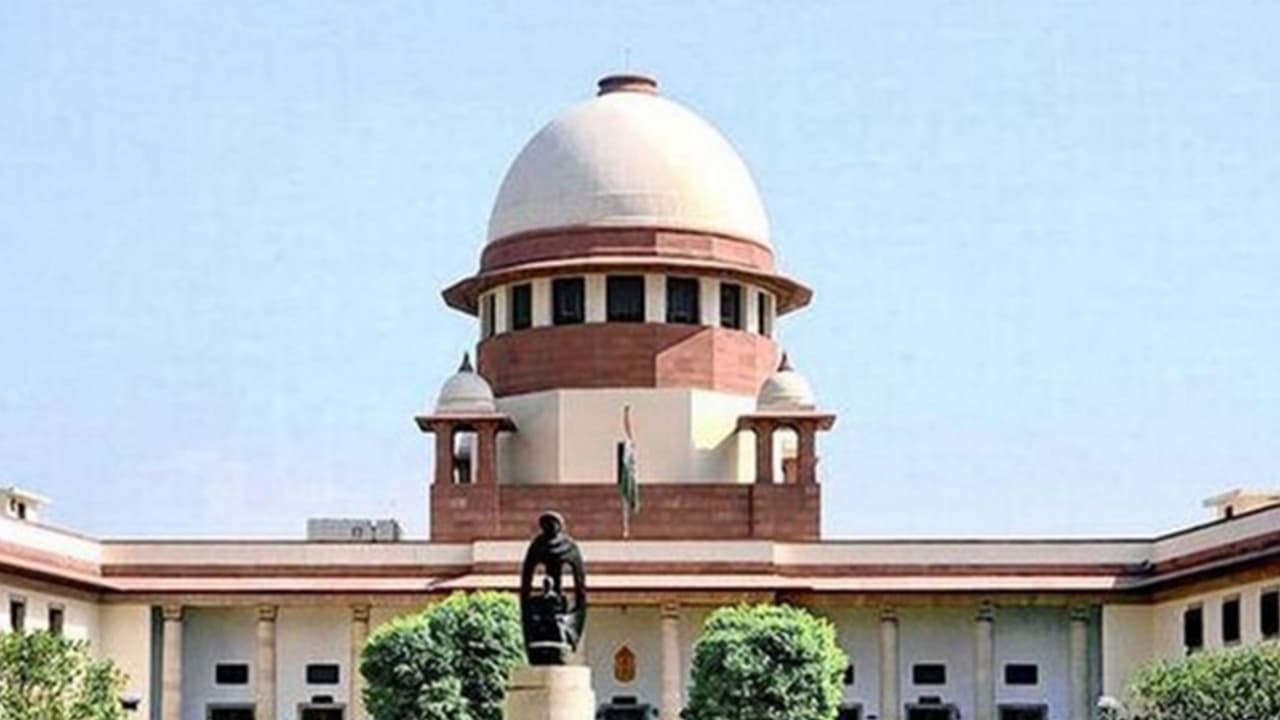
A PIL filed in the Supreme Court challenges Delhi Police’s use of facial recognition and biometric surveillance at Jantar Mantar protests, alleging it violates fundamental rights to privacy, free speech, and peaceful assembly under the Constitution.
A Public Interest Litigation (PIL) has been filed before the Supreme Court challenging the Delhi Police’s alleged deployment of facial recognition technology (FRT) and other biometric surveillance measures during the protest at Jantar Mantar, claiming that the exercise violates the fundamental rights to privacy, free speech and peaceful assembly guaranteed under the Constitution.
The petition has been filed under Article 32 of the Constitution by Rajya Sabha Member of Parliament A A Rahim through Advocate Subhash Chandran K.R. It has arrayed the Union of India, Delhi Police, the National Crime Records Bureau (NCRB), others as respondents.
Details of Surveillance Allegations
According to the plea, since the commencement of a sit-in and hunger strike at Jantar Mantar on June 20, 2026, protesters, journalists and members of the public have allegedly been subjected to continuous biometric surveillance through CCTV cameras, drones, body-worn cameras, a mobile command vehicle, AI-enabled smart glasses and fingerprint verification systems.
The petition claims that the surveillance includes real-time facial recognition using the “Ikshana” vehicle and “AjnaLens” smart spectacles, as well as fingerprint matching through the NCRB’s “Abhigyan” mobile application linked to the National Automated Fingerprint Identification System (NAFIS).
Lack of Legal Framework Cited
The petitioner contends that the surveillance has been undertaken without any statutory framework authorising such biometric monitoring of persons participating in peaceful assemblies. It argues that neither the Delhi Police’s standing orders governing protests nor the Criminal Procedure (Identification) Act, 2022 permits indiscriminate collection and processing of biometric data of peaceful protesters.
RTI Revelations and Scope of Technology
The PIL further alleges that Delhi Police’s own Right to Information (RTI) responses show there is no specific legal framework governing facial recognition technology, that an 80% similarity score is treated as a positive facial recognition match, and that the technology was originally intended for tracing missing persons and identifying deceased persons rather than monitoring public demonstrations.
Scale of Surveillance and Lack of Notice
Referring to media reports and procurement documents annexed with the petition, the petitioner alleges that additional facial recognition units were installed around Jantar Mantar and that thousands of individuals attending the protest were subjected to facial recognition and biometric identification. It further claims that participants were not informed through notices or signage that their images and biometric information were being collected, processed or matched against databases.
Concerns Over Data Retention and Vendor Access
The plea also raises concerns regarding data retention and sharing. It alleges that there are no publicly disclosed policies governing the storage, processing, deletion or sharing of the collected biometric information, and claims that private vendors involved in supplying the surveillance systems may have access to sensitive personal data without any disclosed data-processing agreements.
Legal Arguments and Constitutional Violations
Relying upon the Supreme Court’s privacy judgments in K S Puttaswamy, as well as other constitutional precedents, the petition argues that the surveillance fails the tests of legality, legitimate purpose and proportionality. It further contends that pervasive biometric surveillance creates a chilling effect on the exercise of the rights to freedom of speech and peaceful assembly under Articles 19(1)(a) and 19(1)(b), while also violating Articles 14 and 21 of the Constitution.
Reliefs Sought in the Petition
The petitioner has sought a declaration that the indiscriminate deployment of facial recognition technology and allied biometric surveillance against persons participating in peaceful public assemblies is unconstitutional. The plea also seeks directions to restrain the respondents from deploying such technologies until an appropriate law authorising their use is enacted. Additionally, the petition seeks disclosure of the technologies, databases and vendor arrangements used in the surveillance, deletion of biometric data of persons not connected with any cognisable offence from NAFIS, CCTNS and allied databases, creation of a mechanism enabling affected persons to access and seek deletion of their biometric data, and directions to private vendors to preserve, cease using and permanently delete any biometric information in their possession. (ANI)
(Except for the headline, this story has not been edited by Asianet Newsable English staff and is published from a syndicated feed.)