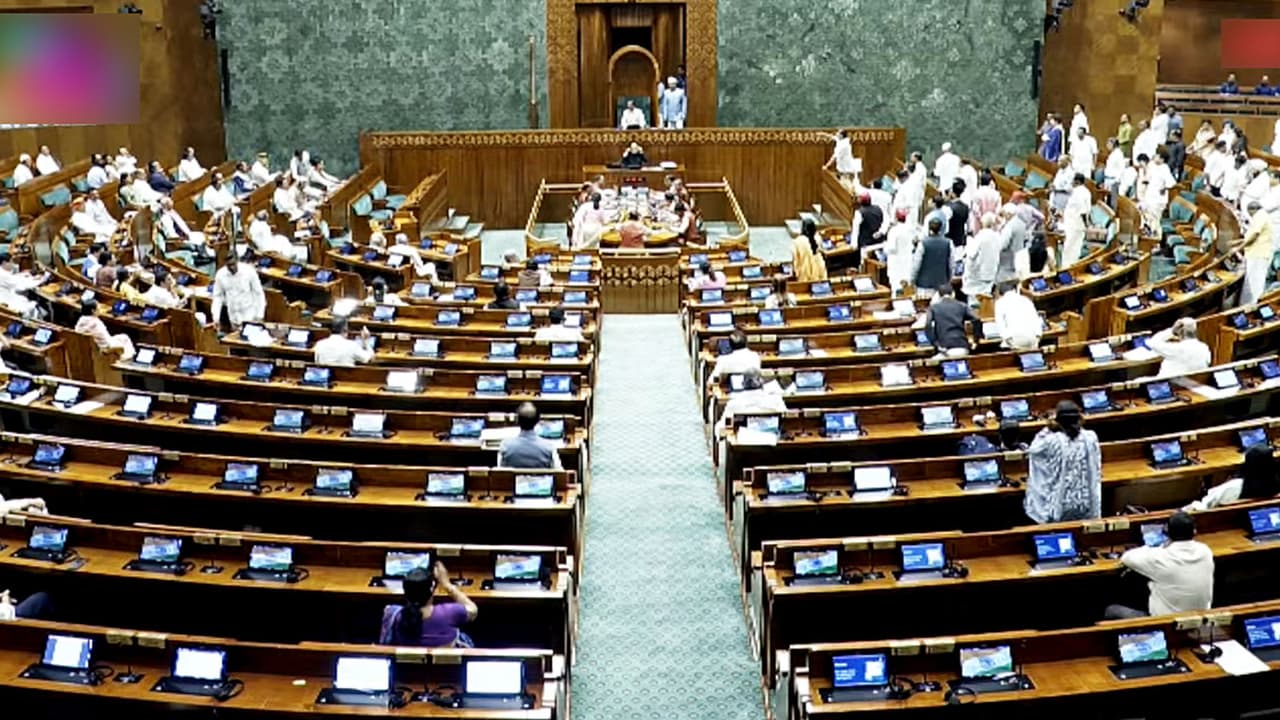
Anti Paper Leak Bill 2026: After 7 days of deadlock, Anti-Paper Leak Bill 2026 will be discussed in the Lok Sabha today. Know the 3 most strict rules of the bill and what will change with this new law.
Paper Leak Bill 2026: After the uproar in Parliament for the last one week over the NEET paper leak controversy, the deadlock finally seems to be ending. The Public Examinations (Prevention of Unfair Means) Amendment Bill, 2026 is expected to be discussed in the Lok Sabha today, Tuesday. This is considered to be the first major legislative debate of the monsoon session. According to parliamentary sources, after the initiative of Lok Sabha Speaker Om Birla and continuous talks with leaders of all parties, the government and the opposition have agreed to discuss this bill. In such a situation, lakhs of students and parents will keep an eye on the proceedings of Parliament today.
Why was the work of Parliament stuck?
The opposition was continuously demanding answers from the government regarding the NEET paper leak controversy and police action during the students’ protest. The proceedings of Lok Sabha and Rajya Sabha were repeatedly disrupted for the last seven days on this issue. An attempt was made to discuss the bill on Monday also, but due to opposition, the debate could not begin. After this, Lok Sabha Speaker Om Birla gave time to the government and the opposition for talks. After a consensus was reached between the two sides late in the evening, the way for discussion on the bill was cleared on Tuesday.
What is Anti-Paper Leak Bill 2026?
The government says this bill will ensure stricter action than ever against crimes like paper leaks and organized cheating in public examinations. This amendment has been brought to further strengthen the law made in 2024 so that transparency is maintained in competitive examinations and the confidence of students can be maintained.
3 strictest rules of Anti-Paper Leak Bill 2026
1. Those who leak the paper will be jailed up to 10 years
If a person is found involved in leaking papers in an organized manner, he can be punished with a maximum punishment of 10 years. This provision has been kept to stop examination rigging on a large scale.
2. Heavy fine up to ₹10 crore
The bill provides for imposing a fine of up to ₹10 crore on people and networks involved in organized examination scams. The government believes that such a huge financial punishment will have a strong impact on such gangs.
3. Security of public examinations will be strengthened
Such provisions have been included in the bill which aim to increase the credibility of competitive examinations and prevent incidents like paper leaks in future. The government is calling this a big step towards making the examination system more secure.
Why is the government calling this bill special?
The government says that after the NEET paper leak controversy, it is necessary to win back the trust of students and parents. For this reason, the already implemented law is being made more stringent so that organized examination scams can be effectively stopped in future. Parliamentary Affairs Minister Kiren Rijiju also appealed to the opposition to take part in the debate, saying that this law is related to the future of crores of youth of the country and it should be discussed openly.
What is the demand of the opposition?
The opposition says that it is not opposing the anti-paper leak law, but the government should first respond in Parliament on the police action during the students’ demonstration. The opposition in Rajya Sabha has also demanded Home Minister Amit Shah’s statement on this issue. The opposition argues that the problem will not end just by making strict laws, but accountability should also be fixed in cases of paper leaks.
First big test after Dharmendra Pradhan’s resignation
After the resignation of Education Minister Dharmendra Pradhan, this will be the first important debate in Parliament on any major issue related to the education system. In such a situation, both the government and the opposition will try to present their respective views before the country through this discussion.