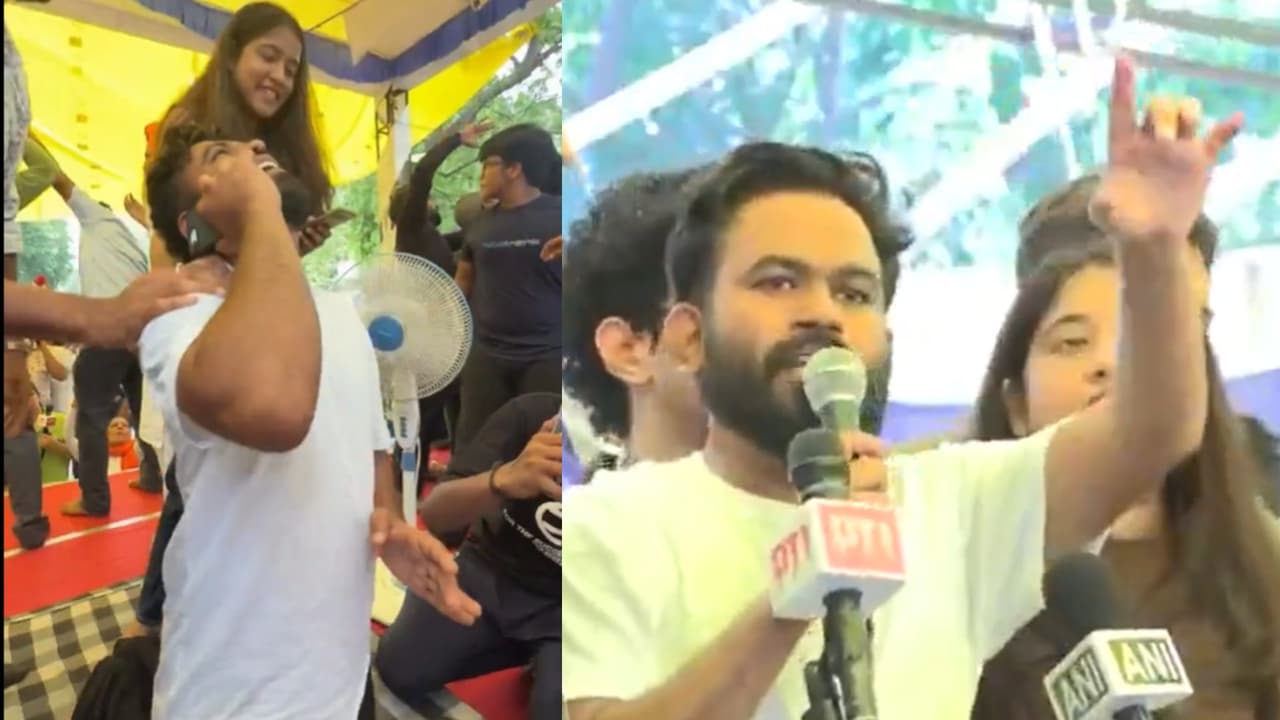
<p>The student movement, led by the Cockroach Janata Party (CJP), has scored its first big win. After massive protests by students across the country, Dharmendra Pradhan has finally resigned, taking responsibility for the NEET paper leak fiasco.</p><img>The nationwide protests over the NEET paper leak have led to a major political shake-up. Union Education Minister Dharmendra Pradhan has resigned from his post. The Cockroach Janata Party (CJP) is calling this a huge victory for the student movement. On their social media, they posted, "This isn’t one leader’s victory… it’s a day every student in the country has won." As soon as the news broke, students protesting at Delhi’s Jantar Mantar began celebrating, with slogans echoing all around. CJP leaders described the moment as a true display of democracy’s power.<img>CJP founder Abhijit Dipke said this movement proves that peaceful protests can make governments change their decisions. He added that Mahatma Gandhi’s path of non-violence is their inspiration. "When the youth speaks up, change is possible in a democracy. This win doesn’t belong to any political party. It belongs to the students who fought for the nation’s future," he stated. But he made it clear that their fight is far from over. They will continue the movement until their other demands are met, including action against police for the lathi-charge, dropping all cases against protestors, major education reforms, and a Rs. 1 crore compensation for families of students who died by suicide. He also announced a candle-light rally to press these demands.<img>The CJP was started with the main goal of questioning the deep flaws in our education system. Abhijit Dipke launched this platform just two months ago. It quickly gained traction on social media and successfully brought students together over the NEET paper leak issue. The protests, which began at Jantar Mantar, soon became a national talking point. The movement got a major boost when many well-known personalities supported it. Their "Chalo Parliament" march also grabbed the nation’s attention. 30-year-old Abhijit Dipke is from Pune, Maharashtra, where he studied journalism. He later got his Master’s in Public Relations from Boston University in the US and is known for being an active social campaigner.<img>The CJP says the minister’s resignation was just one of their demands. It looks like their focus will now shift to bringing more transparency into the education system. They are signalling a push for reforms in how national entrance exams are conducted, stronger security for exams, strict action against officials in charge, and new laws to protect student rights. They might also hold wide-ranging talks with student unions, teachers’ groups, and education experts to create a solid action plan for these reforms.<img>After gaining national fame with the NEET paper leak movement, it’s interesting to see if CJP will stick to this one issue or grow into a bigger movement that questions public problems. Based on their statements so far, the leadership is hinting that they will expand their fight to systemic problems like transparency in education, government recruitment exams, corruption, and administrative failures. However, they haven’t clarified if they will stay a movement-based party or enter electoral politics. Political experts feel that CJP’s biggest challenge now is to keep the trust they’ve earned from students and turn this into a long-term platform. The party’s future will likely be shaped by the actions they take in the coming months.