SpaceX’s net loss for Q1 2026 increased to $4.27 billion, up from $528 million year-over-year. This comes as the company reveals IPO plans. Despite a 15.4% revenue rise to $4.69 billion, surging R&D costs drove total expenses up.
SpaceX’s net loss for the three months ended March 31, 2026, increased by USD 3.74 billion compared to the prior three months ended March 31, 2025. The company recorded a total net loss of USD 4.27 billion for the first quarter of 2026, up from a net loss of USD 528 million in the corresponding period of the previous year, according to a regulatory filing with the US Securities and Exchange Commission (SEC) dated May 20.
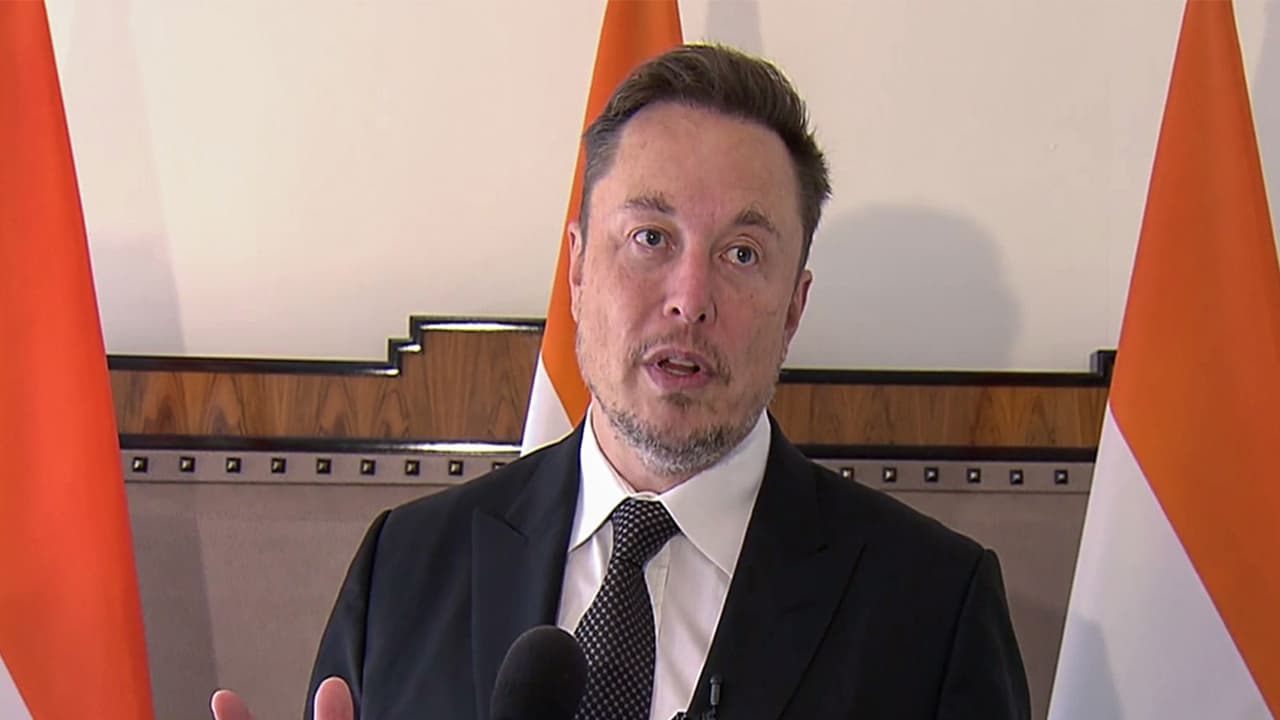
The information comes after SpaceX revealed its long-awaited plans to go public on Wednesday, shedding light on the finances and leadership of the company. Chairman and CEO of SpaceX, Elon Musk, revealed previously undisclosed details, including its board members, sales, profit, expenses and how it does business. However, trading under the ticker symbol SPCX, the IPO could make Musk the world’s first trillionaire.
Revenue Rises Amidst Growing Losses
The expanding bottom-line deficit occurred despite a top-line growth during the quarter. Total revenue for the company rose to USD 4.69 billion, representing a 15.4 per cent increase from the USD 4.06 billion reported in the first three months of 2025.
Revenue for the three months ended March 31, 2026 increased by USD 627 million, or 15.4 per cent, compared to the same period the previous year. According to the SEC filing, “This increase was primarily due to an increase in revenue from our Connectivity segment of USD 782 million as our Starlink Subscriber base continued to grow as well as an increase in revenue from our AI segment of USD 91 million from higher X and Grok subscriptions, partially offset by a decrease in revenue from our Space segment of USD 246 million due to lower Launch Services missions and timing of work for government contracts.”
Massive Spike in R&D and Expenses
The financial results showed a significant surge in total costs and expenses, which jumped to USD 6.63 billion from USD 4.04 billion in the prior year’s first quarter. Research and development expenditures served as a major driver of this spike, escalating by 125.7 per cent to reach USD 3.51 billion.
The company disclosed that the research and development expense for the three months ended March 31, 2026, increased by USD 1.95 billion, or 125.7 per cent, compared to the same period last year. “This increase was primarily due to higher costs in our AI segment of USD 1,471 million driven by depreciation of GPU hardware, and the cost of cloud computing and data center infrastructure expenses as a result of our AI data center expansions and higher costs from our Space segment of USD 404 million driven by accelerated investment in our Starship vehicle and related facilities,” the filing said.
Shift to Operational Loss
Operational profitability also reversed, with the company posting a loss from operations of USD 1.94 billion compared to an operating income of USD 27 million in the first quarter of 2025. Beyond core operations, other financial obligations further impacted the net results, including a steep rise in net other expenses to USD 1.87 billion, alongside a 48.5 per cent increase in interest expenses. (ANI)
(Except for the headline, this story has not been edited by Asianet Newsable English staff and is published from a syndicated feed.)