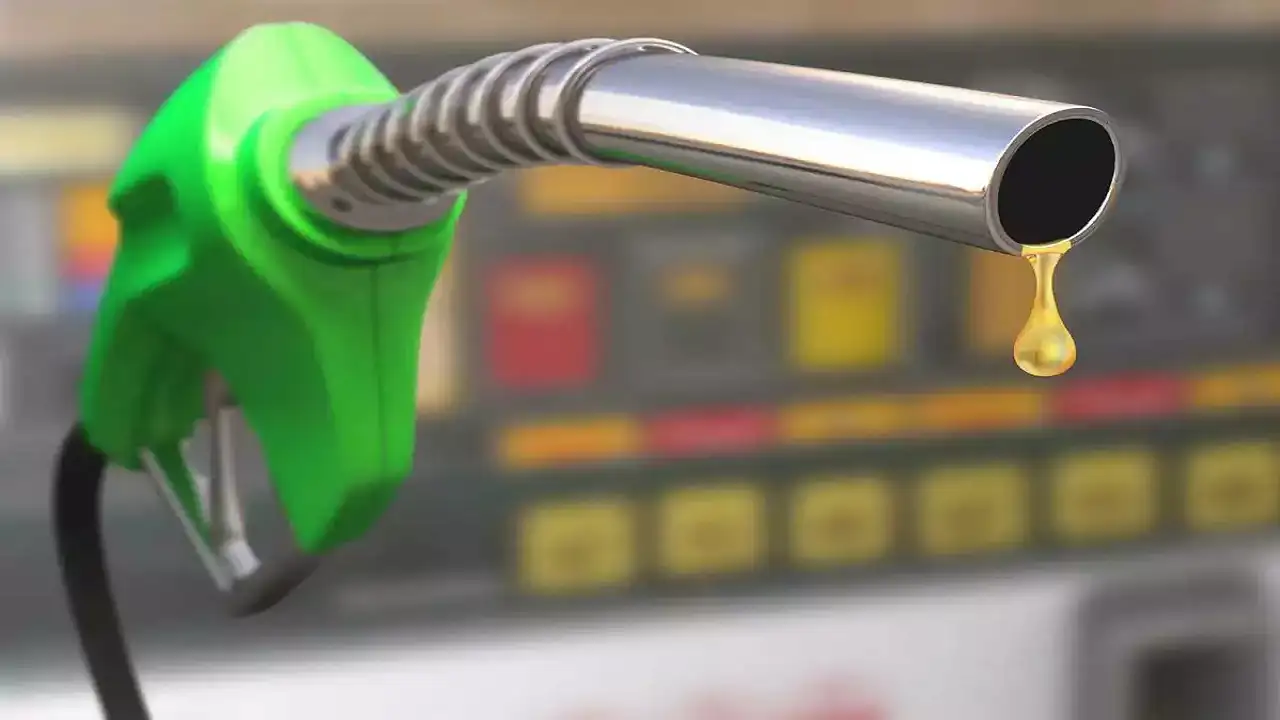
After fuel prices have been hiked for the second time in a week and in total India has witnessed a rise of nearly Rs 4 per litre in the price of petrol and diesel in the past one week, as well as the cost of daily essentials rising, concerns on the impact of inflation and the spiral effect of the West Asia war are mounting.
Timesnownews.com spoke to Senior Economist, Mitali Nikore and asked key questions on the state of the Indian economy.
Q: How long do you see this slowdown last- the impact of fuel prices and inflation in particular?
A: Essentially the first and the most important aspect is the oil dependency that we have as a country, India is not alone in this there are a number of economies which are highly dependent on oil, there are a number of economies that are facing this, at least in India we have the potential to tap into solar energy for example in a big way to power up our economy and that is the structural reform we need, so to get out of this situation unfortunately a little bit of pain will have to be borne as we need to reorient the direction of our economy’s growth.
Q: What impact do you think the PM’s appeal is going to have on the citizens of India?
A: I think it’s a very interesting social experiment. You know, we’ve been tracking this situation across countries, and there are very few countries where the head of state has actually openly spoken to the citizens in this manner and said that, you know, we are going through a difficult time. We all have to tighten our belts, and these are some ways in which we can do it, Prime Minister Modi has said “I need you all to pitch in.” I think it’s a very honest appeal, to be very frank and to take that, you know, the confidence from the citizens to take the citizens along in this, in this journey. But the questions which are being raised by the opposition and by a number of people on ground on why does it come on to, you know, the marginalised, why does it come on to those who cannot bear that burden. You know, to some extent, those are things which the government now needs to work on. People are complying, the ones who can work from home are surely making the efforts. I can see it in my own circles when I look at certain leaders of companies, CEOs, industry bodies. I mean, we’ve seen industry bodies like CII also issue notices saying that, you know, our members will make an attempt to do as much work from home as possible. We’ve seen governments across states and government employees also making the effort. But the ones who absolutely cannot do it, and the ones who are in those portions of the economy that cannot be made virtual, like, say, industries or agriculture or manufacturing for them, you know, we need to have a series of solutions that need to come in through this year to ease the pain.
Q: Net Foreign Direct Investments have also plunged. Your thoughts on how India can revive the situation altogether as investments have also now taken center stage, given the geopolitical uncertainty?
A: I think one very interesting trend that is starting to come in on the investment side is that a lot of people whose, you know, whose companies have seen, say, their foreign partners are, you know, getting a bit of a cold feet because of not wanting to expand the investment, you know, maybe not pulling out, but saying, okay, I don’t think we need to set up this second plant yet or I don’t think we need to do this expansion yet. That is something which I am seeing within the manufacturing space happening. And that is not, again, because of India’s inherent, you know, economic structures. They are very bullish still on India being the preferred market out of, you know, all of the different options that they have for coming in for manufacturing, but they’re more worried about the global demand and the overall macroeconomic slowdown that, you know, that we would see, especially in markets like the Gulf, you know, where India had recently signed an FDA and could have maximized exports.
It’s not possible anymore in this scenario. So very honestly, I think domestic investment is coming in to some extent to fill that gap where the FDI has not grown. Again, I would not say that any FDI investor has pulled out. It’s mostly the FIIs who are pulling out.
Q: How much of an impact do you think the current scenario will have on growth?
A: So, very honestly in this situation, I would say export of services is something that we have to keep on expediting, and I think the IT sector is really trying to also diversify its services and move more up on the AI value chain so that, you know, they can integrate AI services much more in their portfolio, which will help them with expanding services across the world; and the second area that we really have to think about is our domestic market, and how can we strengthen and deepen our domestic market. The Prime Minister also alluded exactly to this, he said, we need to buy Swadeshi. Now, there’s a very clear logic to this, right. If we are not able to export our goods and we are still importing high value goods, then our foreign exchange is also going out. This is a war situation. This is not a peacetime situation. In a peacetime situation, trade as much as possible, it’s good for all economies, right, for the global economy. But in a war situation you don’t know where things are going to go. So in that situation definitely you have to favour your own country. I really believe that shopkeepers, retailers across the country should just set up a separate aisle stating ‘Made-in-India”. I’ve seen this in grocery stores across the UK, across the US where you have a, you know, very proud ‘Made-in-Britain or ‘Made-in-USA’ kind of aisle where every product is made in their country.
Q: Is India facing a temporary slowdown or are there signs of a deeper structural challenge?
A: I think it is a bit of both to be very honest. You know, I think your question is just fantastic. I mean, you know, but it’s also a bit of both because very honestly, if you think about it, at some level, these challenges like say, what we’re seeing on the oil dependency, that is a structural issue. So honestly, we really have to re-engineer some parts of our economy and hopefully those would be re-engineered for the longer term. And I really feel that renewable energy is a major part of this story. So, faster decisions, faster reforms, really the need of the hour and of course a mindset shift altogether with the whole electric vehicle push and usage of public transport as well.