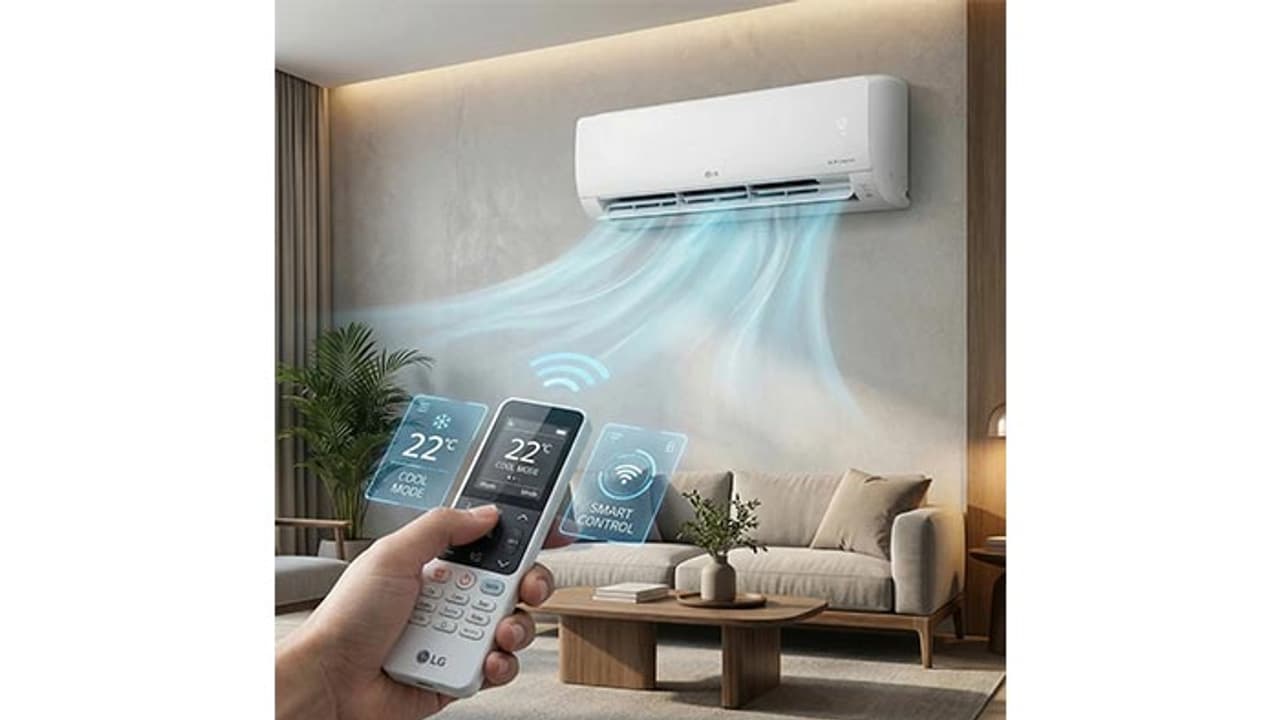
1.5 ton model generally supports cooling requirements for medium-sized rooms. Matching cooling capacity with room dimensions helps improve performance.
Buying an AC used to feel simple. Today, there are star ratings, inverter systems, cooling modes, filters, and technical specifications to compare before making a decision. Choosing the wrong capacity can lead to uneven cooling, higher electricity use, and discomfort during peak summer months.
That is why understanding room size and cooling needs matters before bringing home an AC. A 1.5 ton split AC is often a suitable choice for medium-sized rooms that need steady cooling and energy efficiency. Choosing the right 1.5 ton split AC depends on room dimensions, airflow needs, and everyday cooling habits.
The right model depends on factors such as room dimensions, airflow requirements, energy-saving technology, and comfort-focused features. Understanding how these elements work together can help households make a more practical decision.
Why Proper AC Selection Matters More Than Ever
As temperatures continue rising in many regions, selecting the right AC capacity has become increasingly important. An oversized unit may cycle too quickly and affect energy use. An undersized model may run continuously while struggling to maintain comfort.
A properly selected 1.5 ton split AC can feel more balanced when room size, cooling habits, and technical features align correctly. The right 1.5 ton split AC may also support better cooling consistency during peak summer months. Thoughtful comparison helps reduce unnecessary power use while supporting a more comfortable indoor environment.
Understanding Room Size Before Choosing a 1.5 Ton Split AC
Room size plays an important role in AC performance. Even a feature-rich model may struggle if the cooling capacity does not match the space.
In most homes, a 1.5 ton AC works best for rooms between 111 and 180 square feet. This includes medium bedrooms, living spaces, study rooms, and compact office areas.
However, room size alone should not guide the decision. Other conditions also influence cooling performance, including:
- Ceiling height
- Number of windows
- Direct sunlight exposure
- Floor level of the home
- Number of occupants in the room
A room with large windows or strong afternoon sunlight may require stronger cooling support compared to a shaded room of the same size. Choosing the correct tonnage helps a 1.5 ton split AC deliver more consistent cooling and better indoor comfort during warmer months.
Understanding AC Star Ratings Before You Buy
Star ratings are one of the easiest ways to compare how efficiently an air conditioner may use electricity over time. In India, these ratings are provided by the Bureau of Energy Efficiency (BEE) and help households understand expected energy performance under standard testing conditions. In general, a higher star rating indicates greater energy efficiency.
For homes with moderate AC usage, a 3-star model may feel practical for shorter daily cooling hours. Homes that run ACs for extended periods, especially during warmer months, may prefer 4-star or 5-star models for improved efficiency.
Still, star ratings should be viewed alongside room size, usage patterns, and cooling needs when selecting a 1.5 ton split AC for everyday comfort.
Key Features of 1.5 Ton Split ACs That can Improve Everyday Cooling
When comparing models, technical features often make the biggest difference in daily comfort. Many households focus only on cooling speed, but practical features matter just as much over time.
- Turbo Cooling
Turbo Cooling helps bring down the room temperature quickly after switching on the AC. This can feel useful during extremely warm afternoons or after returning home from the heat outdoors.
Across select models, AI Mode automatically adjusts cooling settings based on environmental conditions. This may support more balanced cooling while reducing the need for constant manual adjustments.
2. Frost Fresh Technology
Some models include FrostFresh technology, which helps clean the indoor evaporator through a self-cleaning process. Cleaner internal components may support better airflow and improved hygiene over time.
3. Blue Fin Protection
The outdoor unit constantly faces dust, moisture, and environmental exposure. Blue Fin protection helps support coil durability and may assist in maintaining long-term performance.
4. High-density Filter
Air quality matters just as much as cooling. High-density filters help trap dust particles and support cleaner airflow indoors.
People searching for the coolest AC often compare cooling speed first, but filtration and airflow quality also contribute significantly to indoor comfort.
5. Stabilizer-free Operation
Power fluctuations remain common in many regions. Stabilizer-free operation across select models may support smoother functioning within a wider voltage range.
Technical Specifications Worth Comparing Before Buying
Many homebuyers compare design and pricing first, but technical specifications often reveal how an AC performs over time.
Before selecting a model, check these details carefully:
- Cooling Capacity
A 1.5 ton model generally supports cooling requirements for medium-sized rooms. Matching cooling capacity with room dimensions helps improve performance.
2. Airflow Performance
Strong airflow distribution helps cool rooms more evenly, especially larger bedrooms and living spaces.
3. Copper Condenser
Copper condenser coils are commonly preferred for durability, easier maintenance, and heat transfer efficiency.
4. Noise Levels
Lower operating noise can make a noticeable difference in bedrooms, study areas, and work-from-home setups.
5. Cooling Modes
Modes such as sleep settings, turbo functions, and auto adjustments can help personalize comfort according to different times of the day.
Taking time to compare specifications often leads to a better long-term decision than choosing only based on appearance or promotional offers.
Choose a 1.5 Ton Split AC That Fits Your Space and Everyday Comfort
Finding the right 1.5 ton split AC becomes easier when room size, cooling preferences, energy efficiency, and everyday comfort are considered together. A thoughtfully selected model can support more balanced cooling, quieter operation, and better long-term comfort for medium-sized rooms.
When comparing options, it helps to look beyond cooling speed and evaluate features that improve daily convenience. For instance, Turbo Cooling, AI-based adjustments, FrostFresh technology, High Density Filters, and stabilizer-free operation can make everyday use easier.
Brands like Kelvinator offer feature-focused cooling solutions across select models, helping households compare practical options for different room requirements. Taking time to assess features, specifications, and usage needs carefully can help you choose an AC that feels comfortable, efficient, and suitable for everyday living.