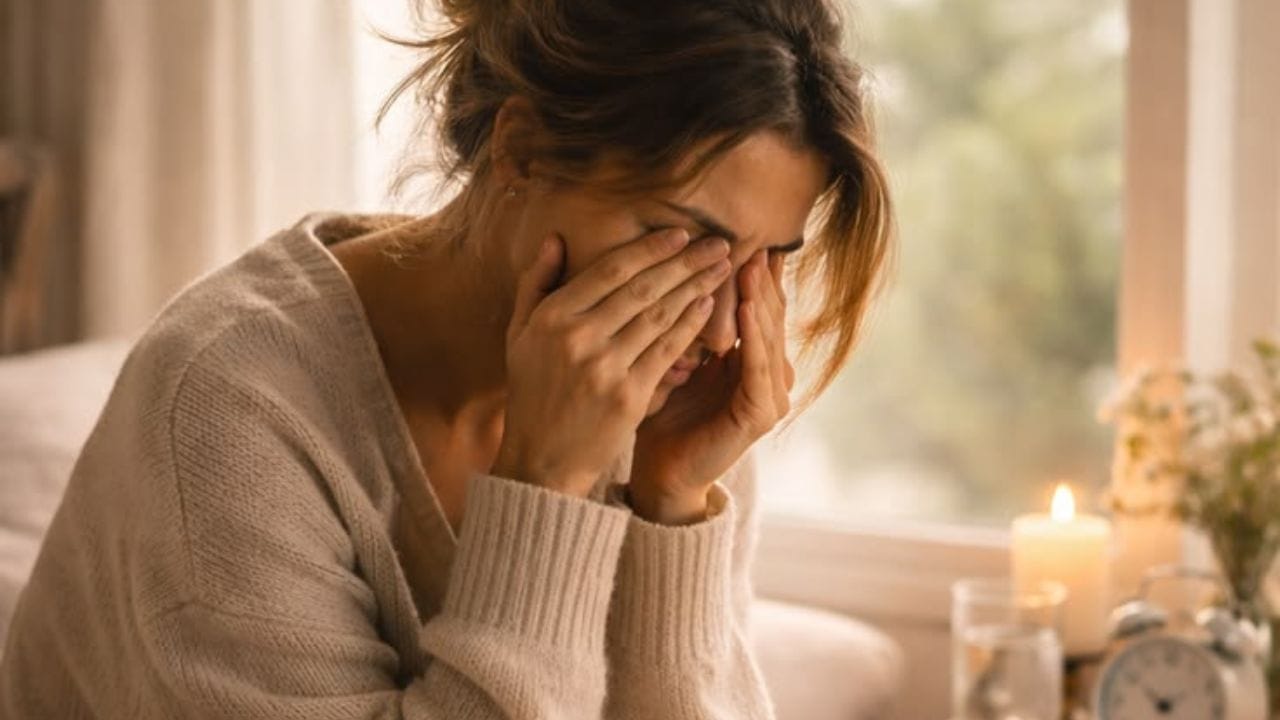
New Delhi: Dr Priyam Bordoloi took to his ‘X’ to share a shocking incident that took place with him recently. A woman walked into the clinic on her own feet, quiet, composed, almost routine, yet her haemoglobin was 1.9 g/dL, a value dangerously lower than what people normally find it difficult to stay conscious.
For three years, she had lived with crushing fatigue. For six months, she couldn’t cross a room without breathlessness. And yet, she carried on, cooking, cleaning, caregiving, working, because she believed she had no choice. Her disease was treated like a background inconvenience, something to be tolerated, not addressed. A year earlier, her haemoglobin was 6.4 g/dL, and she was advised to undergo immediate hospital admission. Her family refused. She went home with iron tablets, took them for two weeks, then forgot.
suffocating with air hunger. She came because her periods had stopped for months. Her body, starved of iron and oxygen, had shut down her reproductive axis just to divert limited blood supply to the organs that mattered most. This isn’t something new to the doctors or shocking for us, but it should be. It reflects a deep, uncomfortable truth about women often normalising symptoms that should never be ignored to break the family functioning or other things that are important to the husband or kids.
Why women’s health gets silenced
1. Social conditioning
Women are raised to believe discomfort must be endured. Fatigue becomes “normal,” breathlessness gets brushed off, and pain is dismissed as part of life.
2. Family-first prioritisation
Women will sacrifice their own health for the sake of children, partners, and household responsibilities—even when their bodies are failing.
3. Lack of support
Hospital visits require time, money, and emotional bandwidth. Many women only seek help when they cannot continue.
4. Misplaced guilt
Many feel guilty for “inconveniencing” others with their health needs.
Hidden crisis of Haemoglobin in women
Anaemia is one of the most common but most neglected health issues among women in India. Causes of anaemia are heavy period blood flow, nutritional deficiencies, pregnancy, chronic illness nad undiagnosed bleeding.
When the haemoglobin level drops severely, the body enters survival mode, which happened with the woman.
Signs of low haemoglobin
- Persistent fatigue or weakness
- Dizziness and fainting spells
- Breathlessness even on mild exertion
- Pale skin or pale inner eyelids
- Rapid heartbeat or palpitations
- Headaches
- Cold hands and feet
- Poor concentration or irritability
- Hair fall and brittle nails
- Irregular or absent periods in extreme cases
Complications of Untreated Anaemia
- Severe breathlessness and risk of cardiac failure
- Suppressed immunity
- Extreme exhaustion impacting daily functioning
- Pregnancy complications, including maternal death
- Infertility or menstrual irregularities
- Impaired cognitive function
- Multi-organ dysfunction in extreme cases
- Long-term heart strain due to chronic oxygen deprivation
An Hb of 1.9 g/dL is not just low, it is life-threatening.
Steps to prioritise women’s health
1. Prioritise routine check-ups
A simple blood test once a year can prevent years of silent suffering.
2. Monitor menstrual health
Excessive bleeding, skipped cycles, or very painful periods are medical issues, not inconveniences.
3. Eat iron-rich foods regularly
Include:
- Spinach, methi, and beetroot
- Jaggery, dates, and raisins
- Sprouts and legumes
- Ragi and bajra
- Lean meats (if consumed)
- Iron-fortified cereals
- Pair iron sources with vitamin C (like lemon, oranges) for better absorption.
The warning signs in the human body are louder than healing signs, and they must not be ignored; daily check-ups and symptoms must be monitored with proper care. Ask the uncomfortable questions to the women in your home, pay attention to their tiredness and do not normalise exhaustion that could them life. Small steps can lead to a bigger change and save someone’s life.