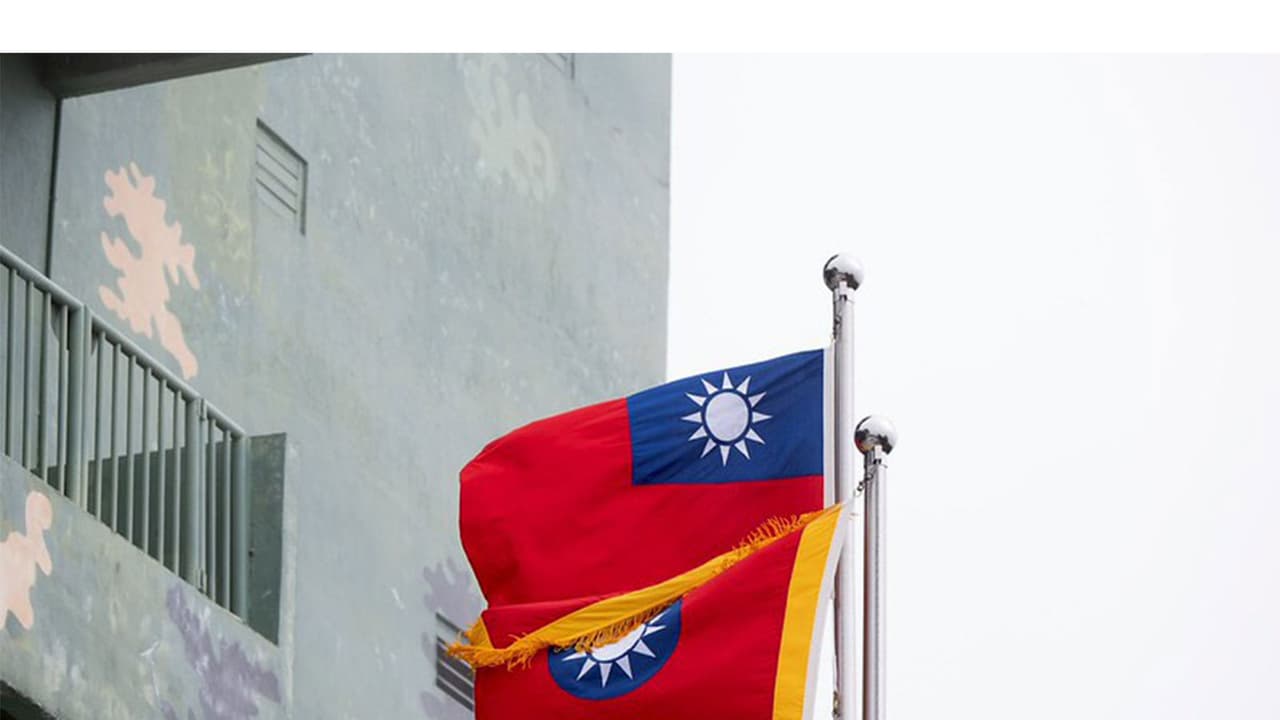
Former US diplomat William Stanton says China’s policy towards Taiwan has become confrontational, using coercion and military threats. He notes a shift in US policy under Trump but highlights continued US support and warns of Beijing’s tactics.
China’s policy towards Taiwan has become increasingly confrontational, moving away from earlier rhetoric focused on peaceful engagement and towards a strategy centred on coercion, military intimidation, and political pressure, according to former American Institute in Taiwan director William Stanton, as reported by The Taipei Times.
According to The Taipei Times, speaking at a seminar in Taipei reviewing the Democratic Progressive Party’s governance since 2016, Stanton said Beijing now appears far more determined to force political outcomes regarding Taiwan. He linked the shift to Chinese President Xi Jinping’s broader ambitions tied to “national rejuvenation” and unification with Taiwan.
Shifting US Policy and Continued Support
Stanton also discussed changing US policy under President Donald Trump. He said Trump’s earlier approach treated Taiwan as an important strategic partner in countering China, leading to expanded arms sales and stronger diplomatic engagement. However, Stanton noted that Trump’s second-term posture has become more transactional, with greater focus on economic interests, semiconductor production, and defence spending.
Despite these shifts, Stanton emphasised that Washington has continued strengthening ties with Taipei. Since 2016, the US has enhanced security cooperation and loosened restrictions on official interactions between American and Taiwanese representatives. He also pointed to legislation supporting Taiwan’s participation in international bodies such as the WHO and the International Civil Aviation Organization.
Beijing’s Intensifying ‘Grey-Zone’ Tactics
Stanton warned that Beijing is intensifying “grey-zone” tactics around Taiwan, including increased naval and air operations near the island. He accused China of combining military threats with economic leverage and political influence campaigns aimed at isolating Taiwan internationally, as highlighted by The Taipei Times.
Taiwan’s Strategic Importance
Meanwhile, at another forum hosted by Tunghai University, political scientist Lin Tzu-li said the recent Trump-Xi summit could significantly reshape Indo-Pacific security and global geopolitics. He stated that Taiwan’s location in the First Island Chain and its central role in the semiconductor industry make it strategically indispensable. Lin said Taiwan must carefully assess evolving US-China relations after the summit and strengthen coordination with democratic partners to safeguard regional stability, as reported by The Taipei Times. (ANI)
(Except for the headline, this story has not been edited by Asianet Newsable English staff and is published from a syndicated feed.)