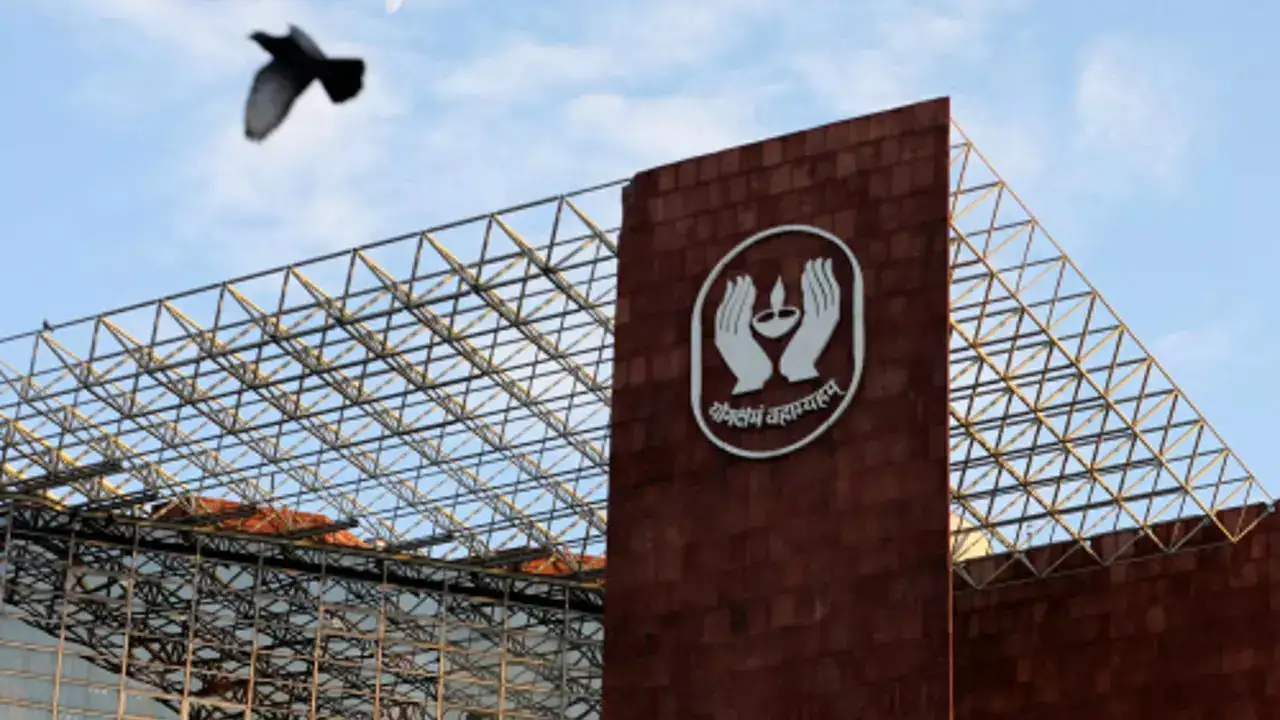
After the fuel price hike, due to the ongoing Iran War, the Finance Ministry has directed the state-run banks, insurers and financial institutions to implement sharp curbs on travel and a phased transition to electric vehicles.
According to Reuters, the order will cover institutions like the State Bank of India, Bank of Baroda and Life Insurance Corp of India and million of their employees across the country.
It said all meetings, reviews and consultations must be conducted via video conferencing unless physical presence is deemed essential.
As per the order issued by the Department of Financial Services, the foreign travel by top executives of the organisations, including chairpersons, managing directors and chief executive officers, should be kept below prescribed limits, with overseas engagements to be attended virtually wherever possible.
Centre has also asked the organisations to accelerate adoption of electric vehicles.
“All organisations may aim at replacing the petrol and diesel vehicles hired by them in their head offices and branch offices by electric cars as far as possible,” the order said.
Earlier, after the Prime Minister’s appeal to the citizens amid the ongoing Iran War, have come up with advisory in the matter.
Delhi government announced a series of measures to reduce fuel consumption. All Delhi government and private employees will work from home twice a week, with 50 per cent of official meetings to be held online.
Maharashtra government has also joined the movement. Uttar Pradesh Chief Minister Yogi Adityanath asked departments to conduct half of their internal meetings virtually.
West Bengal Governor RN Ravi appealed to citizens to join PM Modi’s efforts to cut down energy usage in view of the West Asia conflict.
Brent Crude prices have jumped nearly 2% following the latest reports on escalation of the West Asia war.
As per the latest report released by the SBI Research, the Rs 3 per litre increase in petrol and diesel prices is expected to help OMCs recover around Rs 52,700 crore in the Financial Year 2027. However, the total losses for OMCs could still remain close to Rs 3.6 lakh crore if global crude oil prices stay elevated.