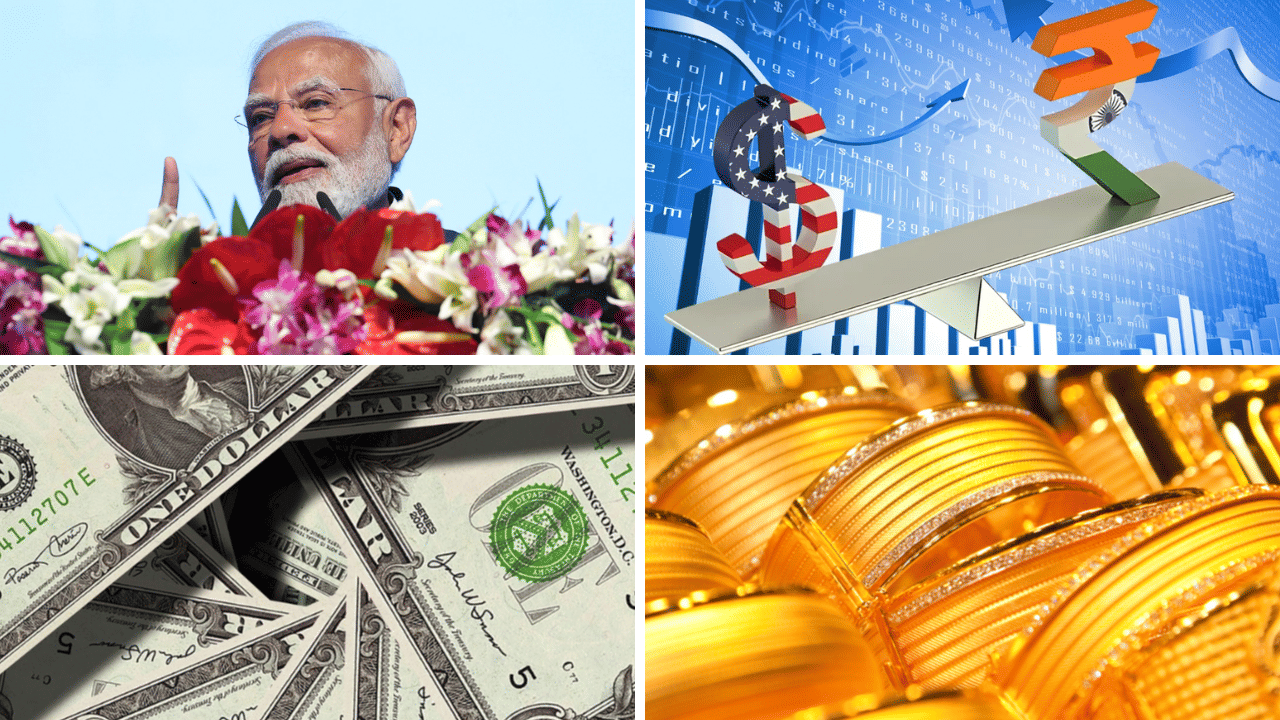
New Delhi: Prime Minister Narendra Modi has appealed for austerity measures in view of rising global fuel prices. The PM on Monday gave a clarion call for curbs on gold purchases and urged people to reduce fuel consumption, switch to public transport or EVs, hold virtual meetings, online classes, limit foreign trips, among other measures.
Speaking exclusively to Biplob Ghosal of TV9 Network, Uttam Singh, Founder Director Cosmozing Foodlabs Pvt Ltd, backed PM Modi’s austerity measures, saying global tensions are rising, with conflicts affecting oil-producing regions and trade routes, which is resulting in rising crude oil prices and putting pressure on the dollar and forex reserves of India.
Singh said limiting non-essential foreign travel cuts avoidable US dollar spending and the money that would have been spent abroad stays in India would be saved. Also, travelling within India would result in supporting domestic tourism, hotels, trade, and services.
Commenting on prime minister’s appeal to postpone gold purchases, Singh said excessive gold imports put a strain on forex reserves. He said that channeling that money into productive sectors and markets would strengthen the economy more than holding idle gold.
Steps taken in national interest deserve serious discussion. Dismissing every call for restraint as a propoganda doesn’t help the debate, he said.
PM Modi’s austerity call gets support from industry leaders
Prime Minister Modi’s call for greater awareness and collective action towards fuel preservation has been supported by Mahindra Group CEO & MD Anish Shah. “For India, this is also an opportunity to accelerate the transition towards cleaner, more efficient energy systems,” Shah said.
Prime Minister Narendra Modi appealed for reduction in petrol and diesel consumption, urged people to use public transport, carpooling, increased use of electric vehicles, utilising railway services for parcel movement and working from home to conserve the country’s foreign exchange reserves amid the global supply chain disruptions due to the US-Iran war.