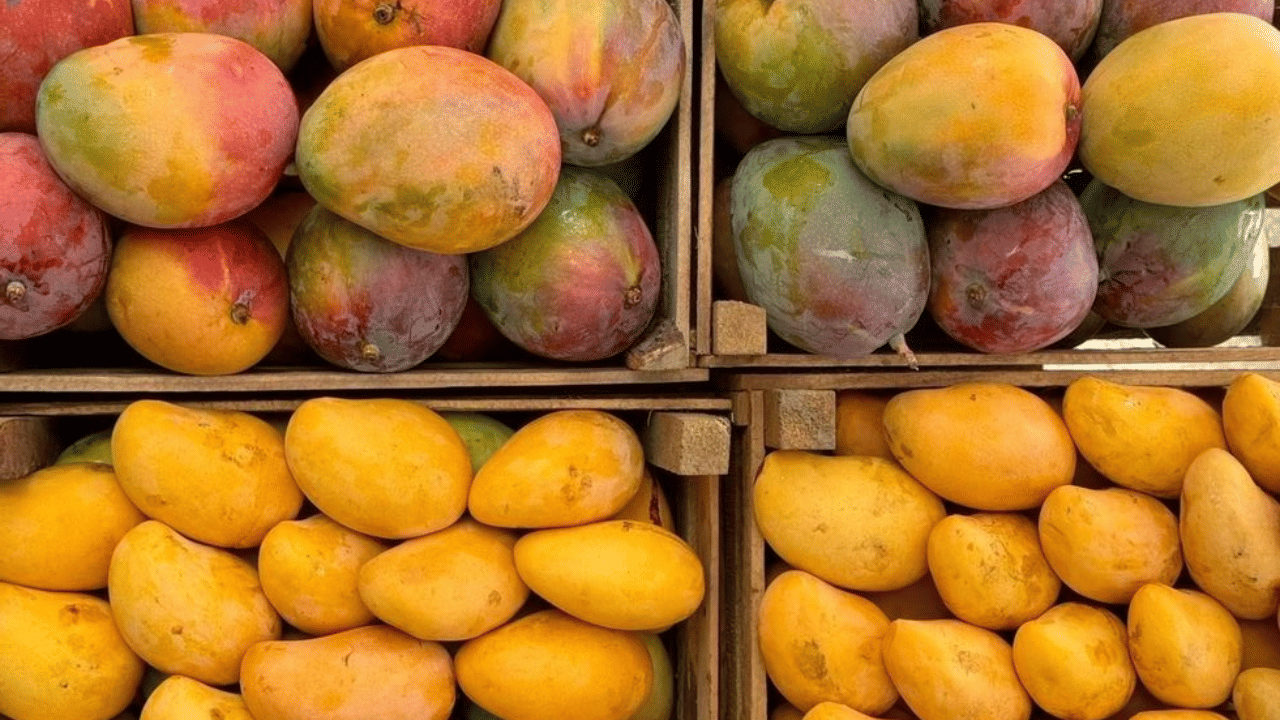
New Delhi: Summer in India feels incomplete without juicy, sweet mangoes filling the kitchen with their rich aroma. Whether it is Alphonso, Kesar, Langra or Dasheri, mango season often encourages people to buy the fruit in bulk while prices are reasonable and varieties are at their best. However, the biggest challenge during hot weather is keeping mangoes fresh for longer without refrigeration. Excessive summer heat can make mangoes overripen within days, causing soft spots, sour smell, fungus and wastage. Thankfully, several simple and highly effective storage tricks can help extend the shelf life of mangoes during summer while keeping their flavour, texture and sweetness intact.
If you often wonder how to keep mangoes fresh in summer naturally, how to store ripe mangoes without a refrigerator, or the best traditional ways to preserve mangoes at home, this guide covers everything in easy language. These methods can help you reduce spoilage and enjoy mangoes for a longer period. Keep reading to discover practical mango storage tips that actually work during hot Indian summers, along with common mistakes you should avoid while storing mangoes at home.
How to store mangoes for longer during summers without fridge
1. Choose slightly raw mangoes instead of fully ripe ones
One of the smartest ways to make mangoes last longer is to buy mangoes that are slightly raw or semi-ripe instead of fully soft and ripe fruits. Fully ripe mangoes spoil very quickly in summer heat, especially when kept outside. Semi-ripe mangoes ripen gradually over several days, giving you more time to consume them.
2. Store mangoes in cool and airy place
Heat and humidity are the biggest enemies of mango storage. Keep mangoes in the coolest area of your home away from direct sunlight, gas stoves and closed cabinets. Proper airflow helps prevent moisture build-up, which can quickly lead to fungal growth.
3. Do not stack mangoes
Do not pile mangoes on top of each other because trapped heat speeds up ripening. Instead, spread them in a single layer on a basket, tray or newspaper-lined surface. Turning the mangoes once daily also helps them ripen evenly.
4. Use the traditional rice or wheat storage method
A very popular Indian method for storing mangoes without a fridge is keeping them inside rice, wheat or other dry grains. This old technique naturally controls moisture and helps mangoes ripen slowly and evenly.
To do this:
- Take a large container or deep utensil.
- Fill it halfway with uncooked rice or wheat.
- Place mangoes inside without touching each other.
- Cover them gently with more grain.
This method helps trap ethylene gas around the mangoes while protecting them from excess heat. Traditional storage methods using grains and hay are still widely recommended for chemical-free mangoes.
5. Wrap mangoes in paper instead of plastic
Plastic bags trap moisture and heat, making mangoes spoil faster during summer. Instead, wrap each mango individually in newspaper, brown paper or tissue paper. This absorbs extra moisture and prevents one spoiled mango from affecting the others.
6. Keep raw and ripe mangoes separate
Raw mangoes release less ethylene gas, while ripe mangoes release more gas and speed up ripening in nearby fruits. Mixing them together can make all mangoes overripen quickly. Always separate fully ripe mangoes, semi-ripe mangoes, and raw mangoes.
7. Soak mangoes in water before storage
Many Indian households soak mangoes in normal water for 30 minutes to 2 hours before storing them. This traditional practice helps remove field heat, dirt and surface chemicals. Some people also believe it reduces the natural heat-producing properties of mangoes.
8. Avoid washing mangoes repeatedly
Washing mangoes too often shortens their shelf life because excess moisture encourages mould and spoilage. Wash mangoes only before eating them. If they become dusty during storage, wipe them gently with a dry cloth instead of rinsing repeatedly.
Common mistakes that make mangoes rot faster
Many people unknowingly spoil mangoes faster because of incorrect storage habits. Avoid these common mistakes:
- Keeping mangoes in sealed plastic bags
- Storing wet mangoes
- Placing mangoes under direct sunlight
- Piling mangoes on top of each other
- Mixing rotten mangoes with fresh ones
- Ignoring airflow and ventilation
Even one spoiled mango can quickly affect the entire batch.
Storing mangoes without a fridge during summer is completely possible when you follow the right traditional and practical methods. With proper care, you can enjoy delicious mangoes for much longer without worrying about quick spoilage or wastage.