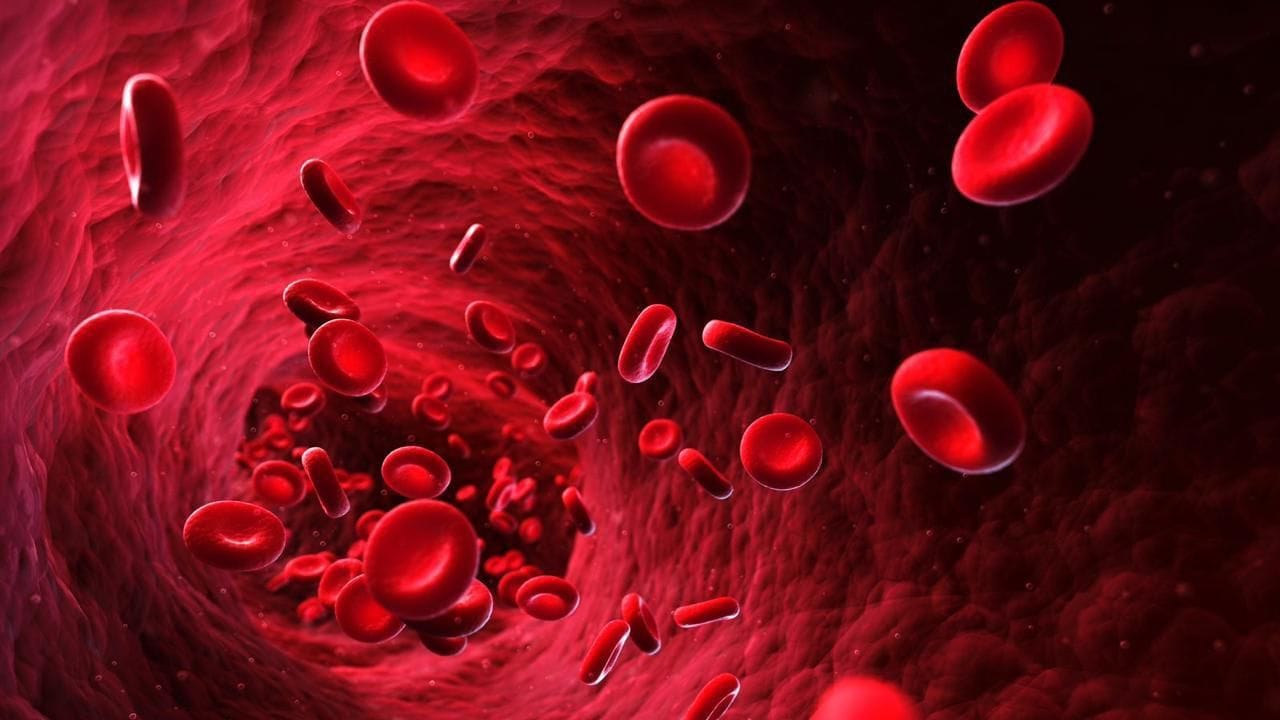
Anaemia Image Credit source: Getty Images
Anemia i.e. anemia in small children is becoming a common but worrying problem in today’s time. It is not limited to the weakness of the body only, but can affect the overall development of the child. At this age, children need proper nutrition and adequate care to grow rapidly, but sometimes small carelessness becomes the cause of big problems.
Often parents notice children’s fatigue, irritability or weakness We consider it as normal and do not pay attention to it in time. Gradually this problem can increase and start affecting the daily activities of the child. Therefore, it is important to be alert about the health of children and not ignore any change. With correct information and timely identification, this problem can be controlled to a great extent.
Why is there anemia in small children?
There can be many reasons for anemia in small children. The most common reason is the deficiency of iron in the body, which is necessary to make hemoglobin. If children do not get adequate nutrition or their diet contains less iron-rich items, then this problem can occur. Apart from this, deficiency of Vitamin B12 and folic acid can also cause anemia.
In some cases, frequent infections, worms or stomach related problems also affect the absorption of nutrients in the body. The risk is also higher in premature or underweight children. Wrong eating habits and unbalanced diet can further increase this problem.
What are the symptoms of anemia in young children?
The initial symptoms of anemia are often mild, but can be identified if paid attention to. Fatigue, weakness and lethargy are common signs in children. Apart from this, yellowing of the skin, dull appearance of lips and nails can also be a symptom of anemia.
Dizziness, shortness of breath or rapid heartbeat can also be seen in some children. Lack of concentration in studies or playing, irritability and loss of appetite can also be its signs. If these symptoms appear continuously, it is important to consult a doctor.
How to protect?
To prevent anemia, it is important to give children a balanced and nutritious diet. Include green vegetables, pulses, fruits and iron-rich things in their diet. Vitamin C rich foods like orange and lemon also help in iron absorption.
Take care of cleanliness and get children dewormed from time to time, so that the problem of insects can be avoided. Regular health checkup and doctor’s advice is also important. This problem can be easily prevented by proper eating habits and care.