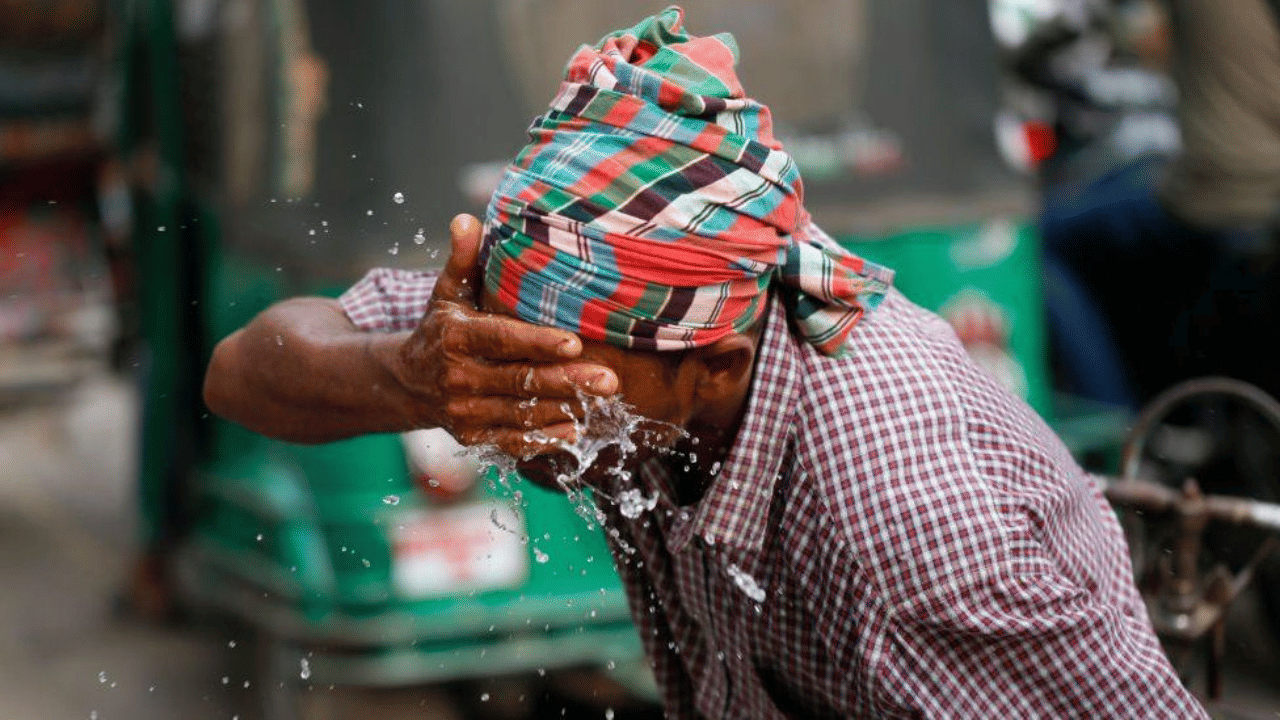
New Delhi: India is facing one of its most intense early‑summer heatwaves in 2026, with temperatures frequently crossing the 45°C mark in large parts of northern, central and eastern regions. Cities such as Varanasi, Bhagalpur and Asansol are now counted among the hottest urban centres in the world, while the India Meteorological Department has warned of above‑normal heatwave days and rising night temperatures across much of the country. This early surge in mercury is not just uncomfortable; it is increasing the risk of heat exhaustion, dehydration, respiratory trouble and even heatstroke, especially for children, the elderly and those with pre‑existing health conditions.
Against this backdrop, small lifestyle changes can make a big difference in keeping your body and home cooler, safer and more comfortable. Simple habits like adjusting your clothing, tweaking your diet and rearranging your daily routinec an help you manage high heat without depending only on air‑conditioning. This article will break down easy‑to‑follow, practical steps that can be adopted by any Indian household to stay cool and healthy even when the thermometer crosses 45°C outdoors.
How can we keep ourselves cool in summer
1. Start your day early and avoid peak heat
One of the simplest but most effective steps is to shift outdoor activities to the cooler parts of the day. Between 12 noon and around 4 pm, sunlight is strongest and the ground radiates maximum heat. Try to schedule walks, workouts, errands and long commutes for early morning or late evening when the air feels comparatively less suffocating. If you absolutely must go out during peak heat, plan shorter trips, use shaded routes and take frequent breaks in cool or air‑conditioned spaces.
2. Keep your body well hydrated
When the outside temperature hits 45°C, your body loses water rapidly through sweat, which can quickly lead to dehydration, fatigue and dizziness. Doctors and health experts recommend drinking small sips of water regularly throughout the day, even if you do not feel very thirsty. Along with plain water, you can include coconut water, lemon‑mint sherbet, buttermilk and herbal teas.
3. Choose clothes that help you stay cool
Loose, light‑coloured cotton or linen clothes are much better than tight, dark, synthetic fabrics because they allow sweat to evaporate and reflect sunlight rather than absorbing it. A light‑coloured cap or scarf, a wide‑brimmed hat or a simple cotton dupatta can shield your head and neck from direct sun, reducing the feeling of burning heat.
4. Use your home like a cool shelter
Indoor temperatures can be several degrees lower than outside if you organise your space smartly. Keeping windows and curtains closed during the hottest part of the afternoon, prevents the sun from turning your house into a greenhouse. Using blackout or light‑coloured curtains, placing bowls of water near windows and improving cross‑ventilation in the morning and evening can all help cool the air without heavy electricity use.
5. Eat light, hydrating foods
Heavy, oily meals can make summers feel even more uncomfortable because digestion generates extra body heat. Health experts suggest lighter, frequent meals with plenty of vegetables, fruits and salads to keep the system cool and prevent sluggishness.
6. Take simple cooling breaks daily
A short cool shower or a quick bath with lukewarm or slightly cool water can rapidly lower body temperature and refresh your mood. Washing your face and hands with cool water, using a damp cloth on your neck or forehead, or dipping your feet in a basin of cool water can also provide instant relief.
What to watch out for in extreme heat
While lifestyle changes greatly improve comfort and safety, it is equally important to recognise warning signs of heat‑related illness. If someone shows symptoms such as severe headache, vomiting, dizziness, rapid heartbeat, confusion or very little sweating despite the heat, they may be suffering from heat exhaustion or heatstroke and need urgent medical care. Vulnerable groups including older adults, children, pregnant women, outdoor workers and people with chronic conditions should be monitored closely on extremely hot days.
In a country where summer heat is now routinely crossing 45°C and heatwaves are arriving earlier and lasting longer, staying cool is no longer just a matter of comfort, it is a basic health necessity.