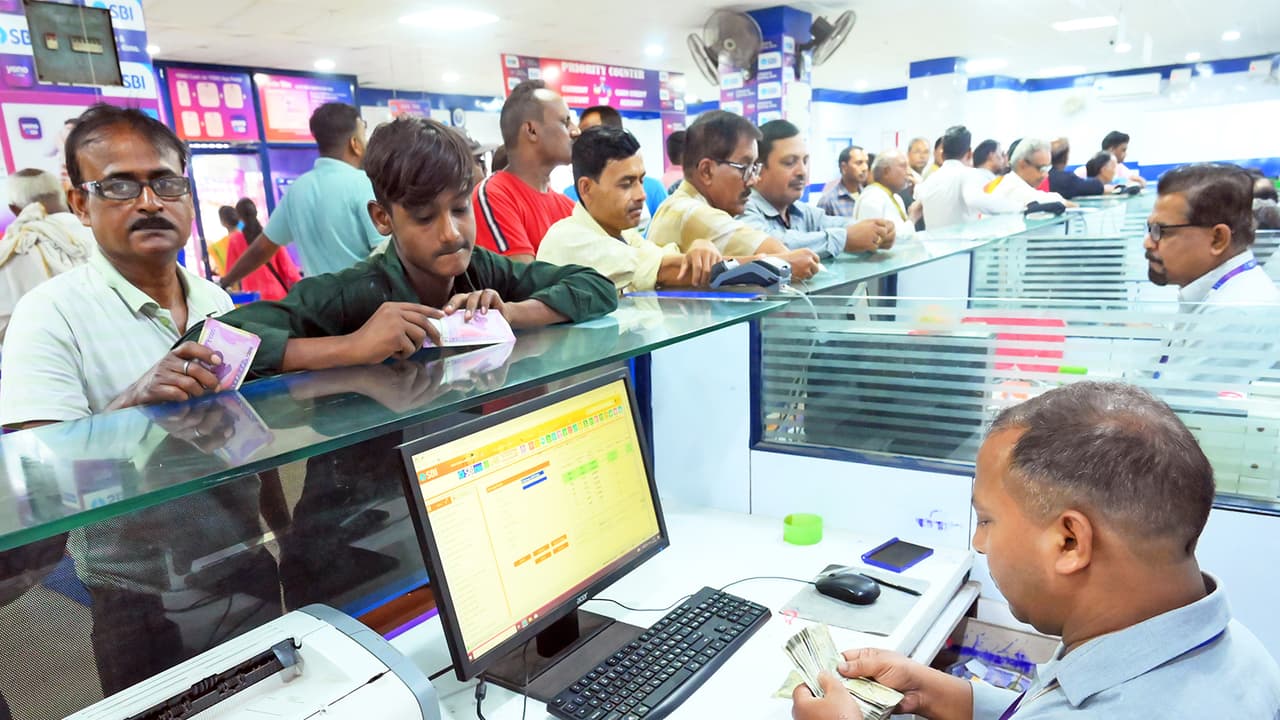
A Kotak report states that Indian NBFCs are well-prepared for potential ECL provisioning norms. Having followed similar rules since FY2018 and built adequate buffers, the impact of extending RBI’s bank-specific floors would be manageable.
Non-banking financial companies (NBFCs) in India are largely well-positioned to absorb the impact of expected credit loss (ECL) provisioning norms, with most entities already maintaining adequate buffers, according to a recent report by Kotak Institutional Equities. The Reserve Bank of India (RBI) has finalised ECL guidelines for banks, effective FY2028, introducing minimum provisioning floors across loan categories to ensure prudence and reduce model risk.
NBFCs’ Preparedness and Head Start
While these floors currently apply only to banks, the report indicates that if similar norms are extended to NBFCs, the impact is expected to be manageable. NBFCs have already been following ECL-based provisioning since FY 2018, giving them a significant head start over banks. Over the past eight years, NBFCs have refined their ECL models through multiple credit cycles, including demonetisation and the Covid-19 disruption. This has led to dynamic adjustments in provisioning coverage, reflecting both asset quality stress and subsequent recoveries.
Current Norms vs. Potential Changes
Unlike banks, however, NBFCs are not currently subject to the RBI’s prescribed minimum ECL floors. They instead reconcile ECL provisions with Income Recognition, Asset Classification, and Provisioning (IRAC) norms, with any shortfall adjusted through impairment reserves. IRAC norms mandate a 90-day delinquency for classifying loans as NPAs.
Scenario Analysis and Impact Assessment
If bank-like provisioning floors applied to NBFCs, the report says that most players would remain compliant. Under a base-case assumption of three-year ageing for stage-3 loans, the majority of NBFCs meet or exceed required provisioning levels. In a more conservative scenario, assuming four-year ageing, a few entities may face marginal provisioning gaps, though not significant enough to materially affect balance sheets.
If applied, large NBFCs maintain overall ECL coverage which are significantly above minimum requirements, indicating strong provisioning discipline. At a segmental level, provisioning remains higher than regulatory floors across most loan categories, though minor shortfalls may persist in select portfolios.
Overall Outlook and Conclusion
ECL coverage ratios, which had risen sharply during the pandemic, have moderated in recent years as asset quality improved and credit costs normalised.
Overall, the sector appears structurally prepared for tighter provisioning norms. The introduction of ECL floors–if extended to NBFCs–is unlikely to cause systemic disruption, though it may lead to incremental provisioning in select cases. (ANI)
(Except for the headline, this story has not been edited by Asianet Newsable English staff and is published from a syndicated feed.)