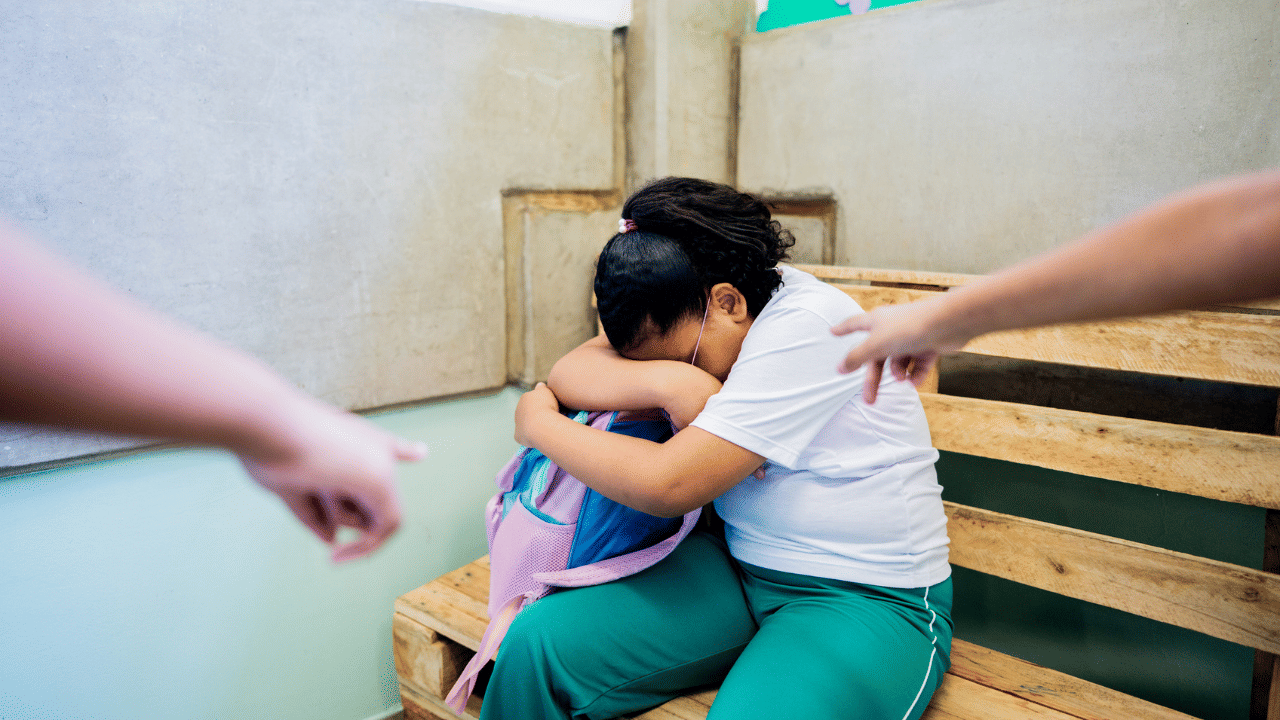
New Delhi: The rapid rise of childhood obesity in India has emerged as a significant public health concern, signalling a shift in the nation’s nutritional landscape that requires immediate attention from policymakers, schools, and families. A comprehensive new analysis, published in the Indian Journal of Community Medicine, has revealed that approximately 1 in 14 school-going children in India are now classified as obese. This concerning trend is not merely a number; it reflects the deep-rooted impact of evolving lifestyle patterns, including decreased physical activity, shifting dietary habits, and the increasing availability of processed, calorie-dense foods. As these figures climb, they highlight the urgent necessity for targeted national interventions to safeguard the long-term health and wellbeing of the country’s younger generation.
Understanding these statistics is the first step towards creating a healthier future for our children, as the data provides a crucial roadmap for identifying high-risk areas and developing effective, evidence-based solutions. In this article, we will delve into the findings of this latest national study, explore why northern India is currently reporting the highest prevalence rates, and discuss the multifaceted drivers behind this health challenge. Keep reading to gain valuable insights into how these emerging trends are shaping the health of Indian school children and discover the critical steps needed to help foster a more active and nourished future for our youth.
1 in 14 school children obese in India; finds report
The latest study, which analysed data from 125 different research projects conducted between 1995 and 2023, has brought to light striking regional differences in obesity prevalence across the country. While the overall national prevalence of obesity among school-going children stands at approximately 6.97 per cent, the data indicates that northern India is experiencing the most significant challenges, with obesity rates reaching as high as 8.58 per cent in these regions.
Conversely, central India has reported the lowest estimates at 5.63 per cent. These regional variations suggest that environmental factors, local dietary habits, and specific socioeconomic conditions play a major role in the way this health issue manifests geographically. Experts point out that the higher prevalence in the north may be linked to a combination of sedentary lifestyles, the heavy consumption of energy-dense traditional and fast foods, and a lack of structured physical activity in the daily routines of children.
Impact of lifestyle and diet
A primary driver of the rising obesity epidemic among school children is the dramatic shift in daily routines and nutritional intake that has occurred over the last few decades. Modern childhood is increasingly characterised by reduced physical exercise, with many children spending significant time on sedentary activities rather than engaging in outdoor sports or active play. This lack of movement is further exacerbated by the widespread availability and convenience of ultra-processed snacks and sugar-sweetened beverages, which are often nutrient-poor and high in calories.
Paediatric specialists warn that these poor dietary choices, coupled with an inactive lifestyle, create a dangerous environment for children, potentially setting the stage for chronic health conditions such as type 2 diabetes and cardiovascular issues later in life. Addressing these factors requires a collective effort to encourage balanced nutrition and promote a culture of regular, daily physical activity in both school and home environments.
Urgent Need for Intervention
Tackling the rising tide of childhood obesity in India requires a comprehensive and sustained public health strategy that involves multiple stakeholders, including parents, schools, and government bodies. There is an urgent need to implement school-based programmes that integrate physical education into the core curriculum and ensure the availability of healthy, wholesome meal options in canteens. Furthermore, increasing public awareness about the long-term health risks associated with childhood obesity is essential for changing societal attitudes towards diet and exercise. By fostering healthier living environments and promoting active, balanced lifestyles, the country can take meaningful steps towards stemming the rising prevalence of obesity. Continuous monitoring of these health trends is also vital to evaluate the success of interventions and refine future policies aimed at securing the wellbeing of the nation’s children.
The findings of this latest national analysis serve as a stark reminder of the growing health challenges facing India’s school-going children. By acknowledging these trends and actively promoting better dietary habits and consistent physical activity, we can work together to combat the rise of obesity and support a healthier future for the next generation.