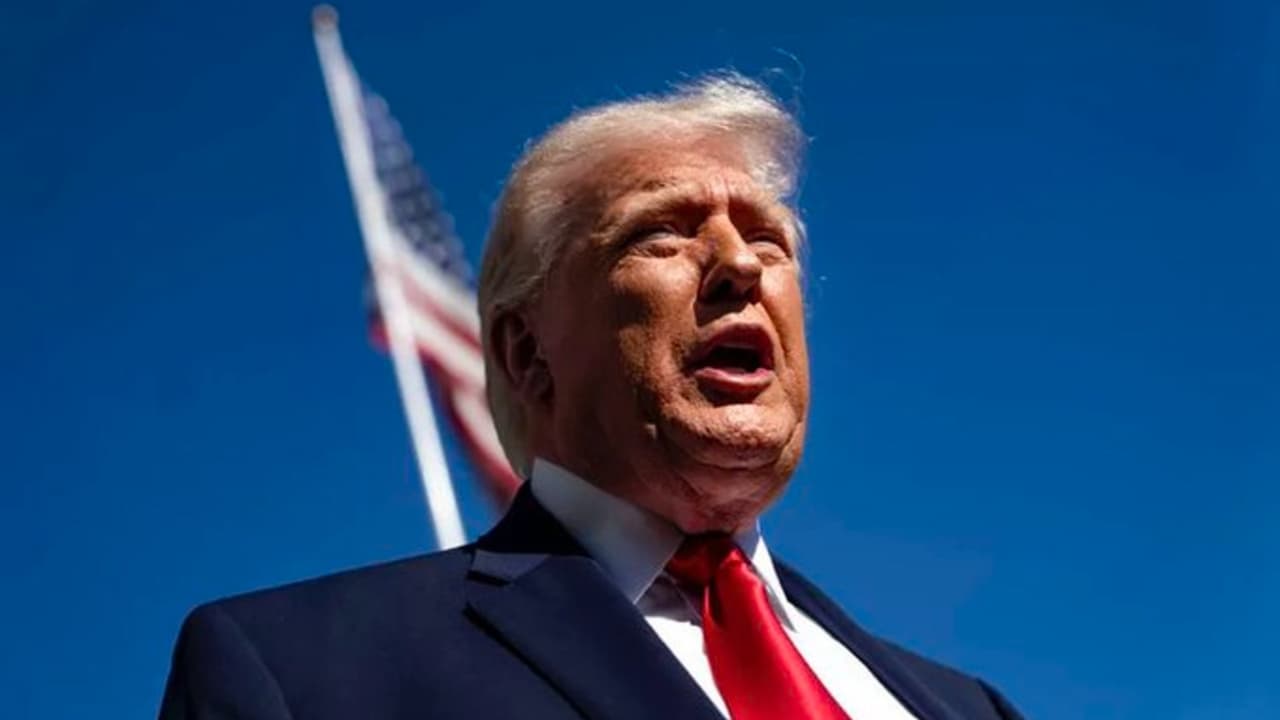
US-Iran negotiations were nearing a framework agreement on sanctions & nuclear restrictions. However, momentum stalled after Trump publicly, prematurely claimed Iran accepted key demands before terms were finalized. Iran’s officials rejected these statements, arguing comments undermined private diplomacy & their domestic position.
How Trump’s Public Messaging Changed the Talks
A possible breakthrough in the seven-week conflict between the United States and Iran appeared close over the weekend, with backchannel diplomacy reportedly bringing both sides nearer to a framework agreement. Pakistani mediators had been shuttling between officials in Tehran and Washington, helping narrow differences on sanctions, maritime security and nuclear restrictions.
But the momentum shifted after US President Donald Trump began discussing the sensitive negotiations publicly. In a series of social media posts and phone calls with reporters, Trump claimed Iran had already accepted major American demands — including restrictions on uranium enrichment and the transfer of enriched stockpiles — even though negotiators had not finalized those terms.
Those comments reportedly caught both diplomats and White House officials off guard because the negotiations had deliberately been kept quiet to avoid political backlash on either side.
Iran Pushes Back Against Trump’s Claims
Iranian officials quickly rejected Trump’s public statements, saying no final agreement had been reached and accusing Washington of turning private diplomacy into political theater.
Tehran was particularly concerned that Trump’s statements made Iranian negotiators appear as though they were conceding under pressure. In Iran’s domestic political climate, that perception could weaken support for any future agreement.
Officials in Tehran also denied that another round of talks had been confirmed, despite Trump suggesting progress was moving rapidly. The contradiction between the two sides created confusion just as diplomats were trying to preserve trust.
Iranian leaders have repeatedly said negotiations cannot happen “under the shadow of threats,” and Trump’s public tone may have reinforced hardliners who already oppose direct engagement with Washington.
Also Read: Donald Trump May Join Pakistan Peace Talks In Person As US-Iran Deal Nears Critical Deadline
Ceasefire Clock Adds New Pressure
The fragile two-week ceasefire between the US and Iran is now approaching its deadline, making the diplomatic uncertainty even more dangerous.
Trump has signalled he is unlikely to extend the truce again if no agreement is reached in time. He also warned that if diplomacy fails, “lots of bombs start going off,” a remark that raised fears of renewed escalation across the region.
At the same time, tensions rose further after a US naval operation intercepted an Iranian cargo ship in the Gulf, an action Tehran says violated the ceasefire. Iranian officials argued that such moves, combined with Trump’s online messaging, undermined the atmosphere needed for serious diplomacy.
Oil markets reacted nervously as investors weighed whether negotiations could survive the latest disruption.
Pakistan’s Role in a Delicate Mediation
Pakistan remains central to efforts to salvage the talks. Islamabad has hosted indirect contacts between both sides and is still working to arrange another meeting before the ceasefire expires.
Vice President JD Vance is expected to lead the US delegation, while Trump has suggested he could join in person or virtually if a deal appears within reach. That possibility shows how significant the next 48 hours could become.
Pakistani officials are urging both governments to lower public rhetoric and return to quieter diplomacy. Mediators believe a limited interim agreement is still possible if both sides avoid further public confrontations.
For now, the biggest obstacle may not be the substance of the negotiations, but the way they are being communicated. Trump’s social media posts may have energized his political base at home, but they also appear to have complicated one of the most delicate diplomatic efforts of his presidency.
With the ceasefire deadline rapidly approaching, the world is watching whether the negotiations can recover — or whether a few public posts have pushed a near-finished peace deal back into uncertainty.
Also Read: Trump Says US Is ‘Winning By A Lot’ as Iran Deal Deadline Nears