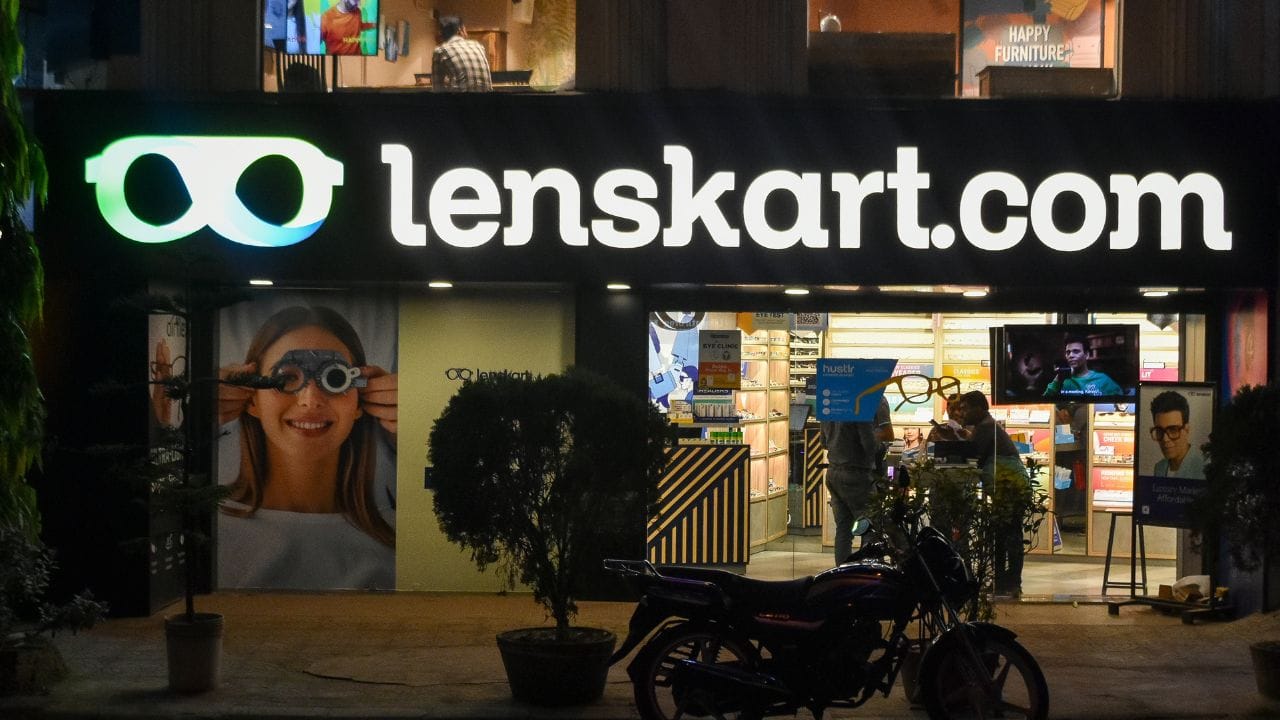
New Delhi: After a week of intense social media heat and boycott calls, Lenskart has finally moved beyond apology as it releases a detailed in-store style guide. The eyewear giant clears the air on what its employees can wear in the stores. This isn’t just an internal change anymore as the company have made the changes list public, likely to prove that it accepts all symbols of faith and culture.
The core of the controversy was a leaked document that banned bindis and tilaks while allowing other religious markers which led to social media heat calling it anti-Hindu. The brand is now trying its best to bridge the trust gap with customers who felt the previous rules were out of touch with Indian culture.
In a statement on X, the company said that it aims at creating a “welcoming, trustworthy and professional” store environment. Along with that, it positions itself as a “proudly Indian company” that values and celebrates cultural diversity.
We have heard you. Clearly and openly. Over the past few days, our community and customers have spoken – and we have listened.
Today, we are standardizing our In-Store Style Guide and sharing it publicly and transparently: https://t.co/lC8KlLLUZm
These guidelines explicitly and…
— lenskart (@Lenskart_com) April 18, 2026
What’s added and what’s removed?
As per the new standardised and publicly shared guidelines, employees are expected to stick to the T-shirts issued by Lenskart paired with plain dark blue jeans. Footwear has to be closed and dark-coloured for safety, which is standard retail stuff. The big change is in the “body markings” section as Bindis, tilaks and even mangalsutras are now officially on the “approved” list of the company.
On the other end, the prohibited things include not showing up in torn or faded jeans and wearing clothes with distracting graphics or offensive imagery. The company has also mentioned anout personal hygiene, clearly stating that coming to work with strong body odour or messy hair is not allowed. It’s all about looking sharp without stripping away an individual’s religious identity.
No more “subjective policing” by managers
One of the most interesting parts of the new guidelines is the new escalation path. Lenskart is essentially telling its staff that if a manager tries to “police” their appearance in a discriminatory way then they can straight away go to HR without getting into trouble.
Whether this is enough to stop the boycotts remains to be seen but making the changes and putting it in public eye that CEO Peyush Bansal is trying to show that Lenskart is a “proudly Indian company” that has finally learned its lesson.