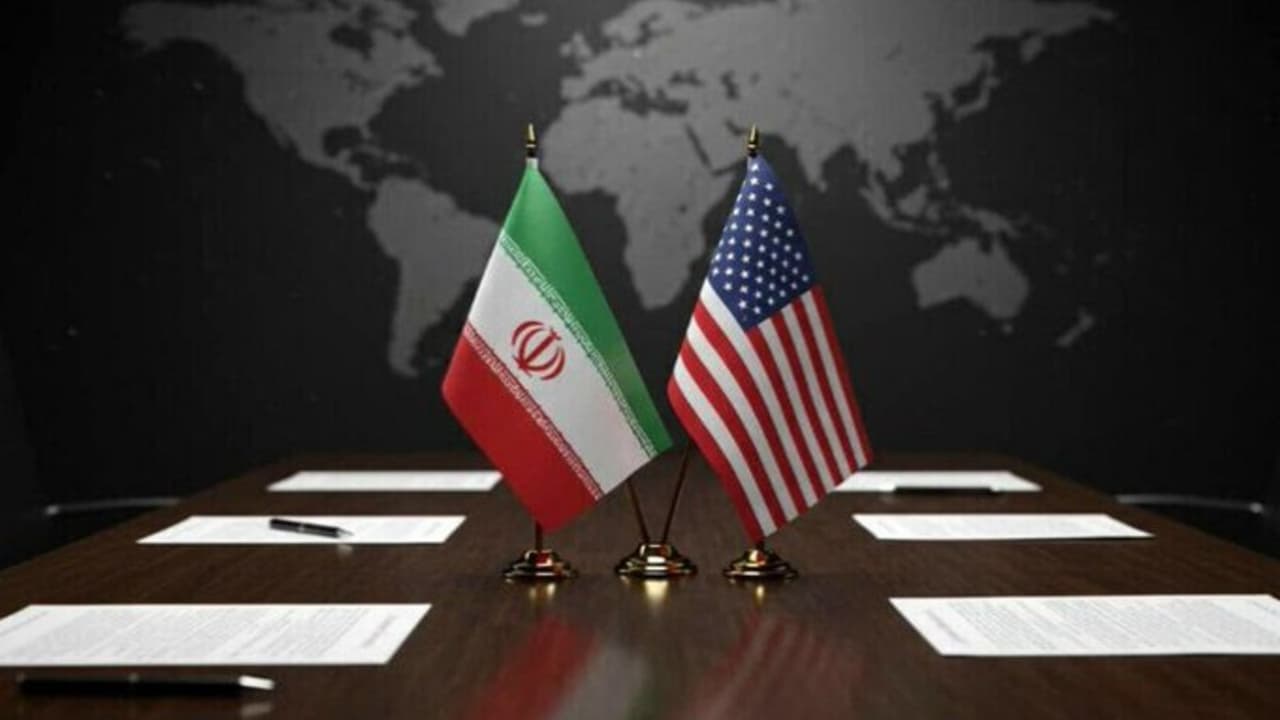
US Iran Talks: Preparations intensify for the second round of direct talks between America and Iran in Islamabad on April 20. Trump indicated that Pakistan is mediating between the Middle East conflict, Iran-US tension and the global energy crisis. Hopes for a peace agreement increased before the April 22 ceasefire.
US Iran Second Round Talks: Peace talks between the US and Iran could enter a new and decisive phase amid ever-increasing tensions in the Middle East. According to reports, President Donald Trump has indicated that the second round of direct talks between the two countries could possibly take place in Islamabad on Monday. Trump told a media conference that “Iran wants to talk” and that both sides appeared willing to move toward a deal. The statement comes at a time when the regional conflict has seriously affected global energy markets and international trade.
Islamabad is becoming the center of diplomacy: Pakistan’s big role
According to sources, Pakistan has stepped up preparations to host high-level talks between the US and Iran. Earlier on April 12, a rare direct conversation had taken place between the two countries, although that ended without any concrete outcome. Now security and administrative preparations are being made on war footing in Islamabad and Rawalpindi. Thousands of police and paramilitary forces are being deployed to prevent any possible tension or disruption. The administration has indicated that strict restrictions may also be imposed on movement and public activities in the city.
Scroll to load tweet…
Silence in the city or calm before the storm?
Local administration has warned that normal life may be affected in the twin cities next week due to traffic control and security reasons. The possibility of closure of schools and temporary closure of markets around the airport has also been raised. Messages circulating on social media are advising citizens to avoid unnecessary travel, indicating that the environment remains extremely sensitive.
Fragile ceasefire and increasing pressure
The current conflict began on February 28 when tensions with Iran escalated following US and Israeli attacks. Since then there has been a widespread impact on global energy supplies and international trade. The current temporary ceasefire is set to expire on April 22, making the timeline for talks even more critical.
Will this conversation change the future of the Middle East?
The possible meeting in Islamabad is being considered very important from the diplomatic point of view. If these talks are successful, it could prove to be a major turning point not only for regional stability but also for global energy security. But the possibility of tension increasing in case of failure cannot be ruled out.