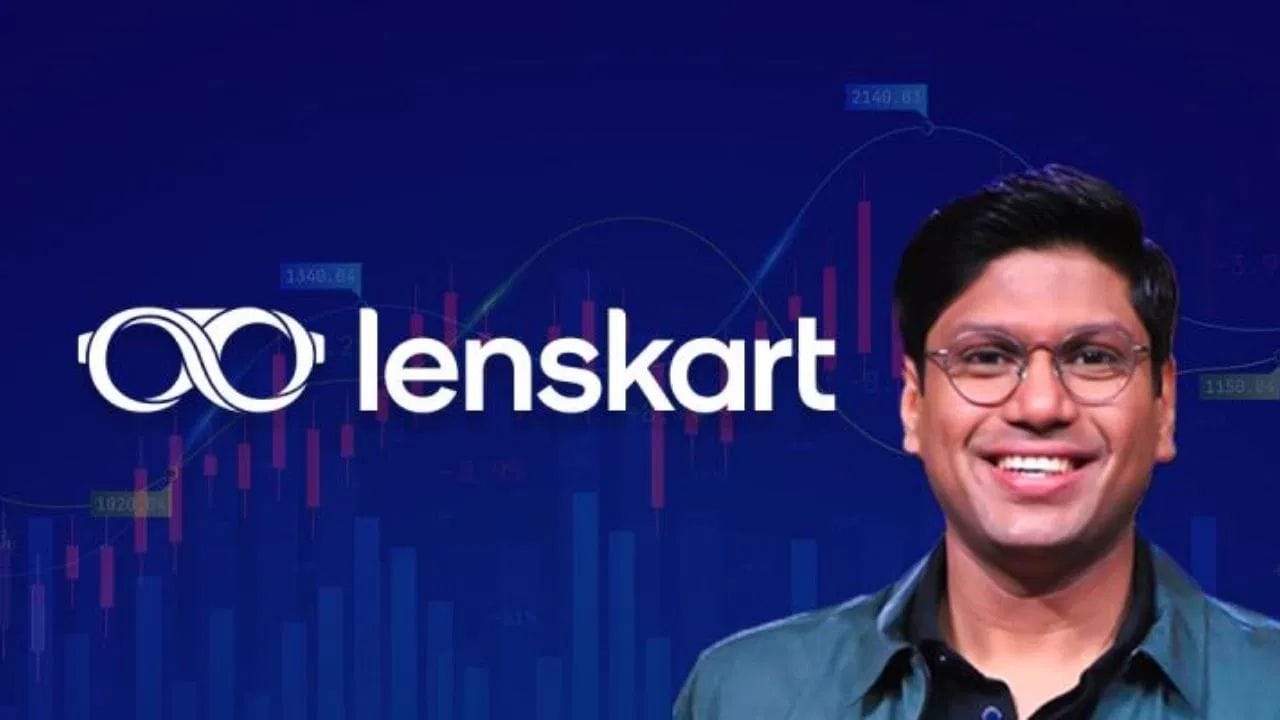
Piyush Bansal
Amid the controversy over the dress code of eyewear company Lenskart, company founder Piyush Bansal has given clarification. He said that the document going viral on social media is not the current policy of the company, but an old training note, which is being misrepresented.
Policies have changed, this old note
Bansal clarified that the style guide in question does not reflect the current HR policy. He told that this document was the training material used earlier, in which some things were left out by mistake. The company later removed these points. He also said that now the company’s guidelines have been updated and there is no discrimination against the employees.
Boycott issue raised on social media
This entire controversy started when film producer and social activist Ashok Pandit raised questions on this document. She alleged that the company allows hijab but bans Hindu symbols like bindi, tilak and kalava. After this, demand for boycott also started rising on social media.
Hi, everyone. Ive been seeing an inaccurate policy document going viral about Lenskart.
I want to speak directly that this document does not reflect our current guidelines.
Our policy has no restrictions on any form of religious expression, including bindi and tilak, and we
— Peyush Bansal (@peyushbansal) April 15, 2026
What was controversial in the dress code?
- It was claimed in the viral document that
- Bindi and tilak are not allowed
- It was advised to remove Kalava or religious threads
- It was said that vermilion should be applied in very small quantities.
- Hijab and turban were allowed, but there were conditions on their color and style.
People raised questions regarding these instructions and accused the company of bias.
Impact on company image
Lenskart is counted among the big eyewear companies of India and became a unicorn in 2019. At present its valuation is estimated in billions of dollars. In such a situation, this controversy affected the image of the company and it had to give a public clarification.
What is the current situation?
- At present the company has made it clear that
- Viral document is old and irrelevant
- The current policy does not prohibit any religious identity
- The rules regarding dress code have now been updated
After this clarification, the controversy has calmed down to some extent, but the debate on this issue is still going on on social media.