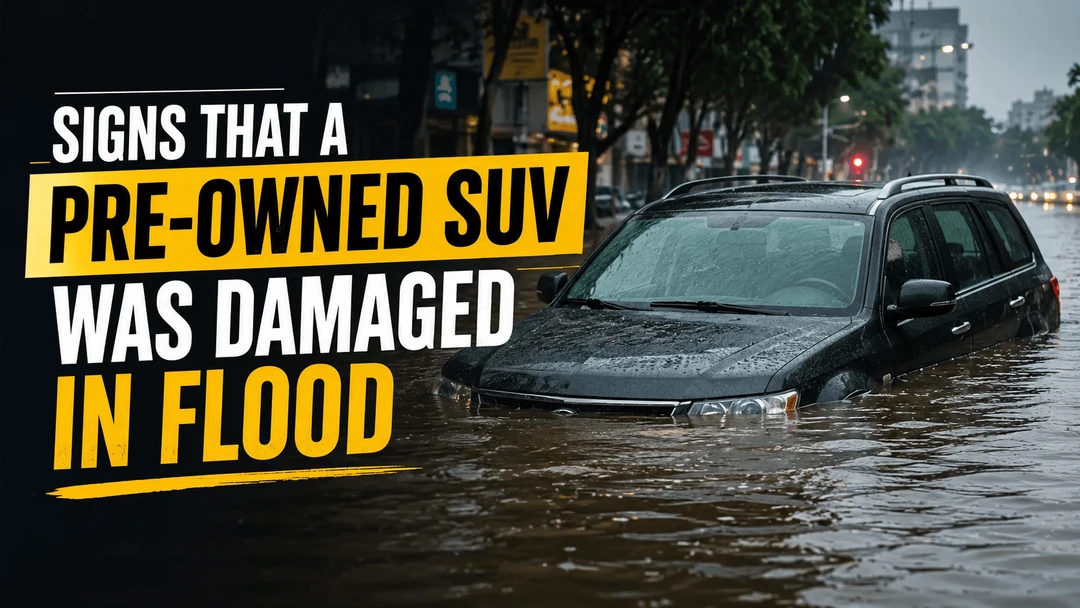
Flood water can cause serious damage to a used SUV, particularly to its electrical systems, engine, gearbox and safety equipment. Some damaged vehicles are cleaned, repaired and sold without clearly revealing their history. Knowing how to spot a flood damaged used car in India can help you avoid an expensive mistake.
A proper used car flood damage inspection checklist should go beyond the exterior and cabin. Here are five simple signs to look for when checking a pre-owned SUV.

1. Check the Seatbelts for Water Marks
Seatbelts are one of the easiest places to find hidden flood damage. A seller may replace carpets and clean the seats, but the seatbelt mechanism is harder to restore completely. Pull each seatbelt out as far as it will go and check the lower section of the webbing.
Look for:
- Dark water marks or tide lines
- Mud or silt stains
- A musty smell
- Stiff or unusually rough fabric
A clear waterline on the belt can be a strong sign of a submerged car restoration.
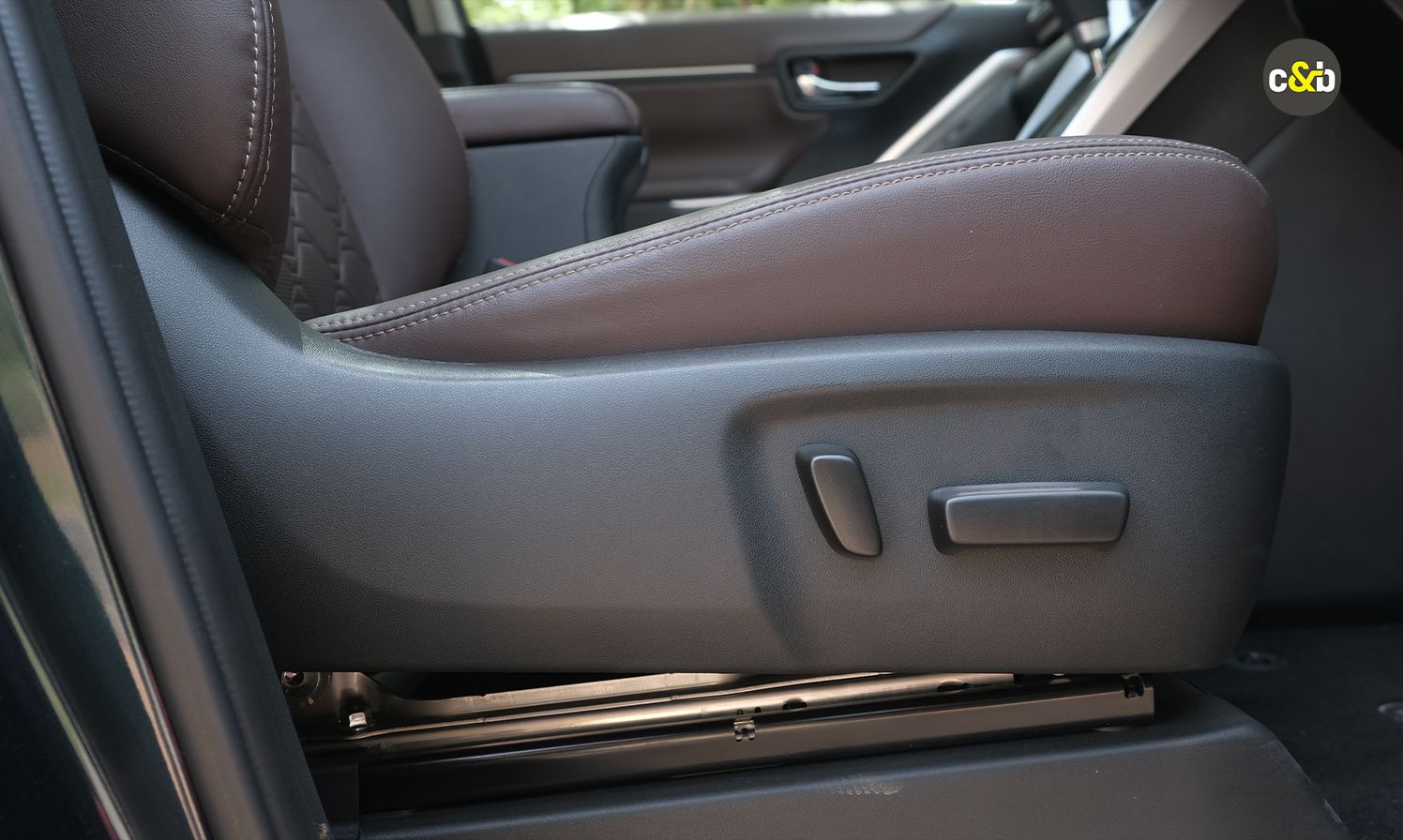
2. Look for Rust Around the Seat Rails
Check underneath the front seats using your phone’s flashlight. Look closely at the seat rails, mounting bolts, springs and other exposed metal parts. Some surface rust can appear with age, but heavy or flaky rust inside the cabin is worth investigating.
Also check the floor around the seat mounts. If you find rust in several places along with water marks or damaged floor insulation, the SUV may have suffered while being stranded in flood water. This is one of the most useful ways to spot hidden flood damage in second hand cars.
3. Inspect the Fuse Box and Wiring
Flood water can damage electrical connections even when everything looks fine from outside. Open the accessible cabin fuse box and look for dried mud, dirt or white powdery residue. Check visible wiring connectors for green or blue corrosion.
Pay particular attention to:
- ECU wiring harnesses
- Fuse boxes
- Electrical connectors
- Grounding points
- Wiring under the dashboard
Multiple electrical problems, such as random warning lights, faulty sensors or intermittent power issues, can also point towards previous water damage.

4. Check the Engine and Other Fluids
Flood water can enter the engine, gearbox and differentials, especially if the vehicle was deeply submerged. Check the engine oil using the dipstick. Healthy oil usually has a consistent dark or amber appearance depending on when it was changed. Milky, creamy or frothy oil can indicate that water has mixed with it.
For an SUV with AWD or 4WD, ask a trusted mechanic to inspect the gearbox and differential fluids as well. Don’t rely only on a fresh oil change. A seller may replace contaminated oil before showing the vehicle, so a proper mechanical inspection is still important.

5. Watch for Strange Smells and Warning Lights
A strong air freshener inside a used SUV is not automatically a problem, but an unusually heavy smell can be worth investigating.
Flooded interiors can develop a damp or mouldy smell because water gets into carpets, foam and insulation. If the seller has used a lot of perfume or deodoriser, check whether a musty smell returns after the AC has been running for a few minutes.
Also turn the ignition on without starting the engine. Check the airbag, ABS and other warning lights. They should normally appear during the system check and then switch off after the car starts. If a warning light never appears, stays on, or several electronic systems show faults, get the car scanned before buying.
Flood Damage Inspection: What to Compare
Use this quick comparison to spot signs of flood damage during your inspection.
| Inspection Point | Normal Used SUV | Possible Flood Damage |
| Seatbelts | Clean, flexible fabric | Waterlines, stains or stiffness |
| Seat rails | Minor age-related wear | Flaky rust or heavy corrosion |
| Under carpet | Dry and clean | Silt, water marks or dampness |
| Fuse box | Dusty but clean connectors | Mud or green corrosion |
| Engine oil | Normal oil appearance | Milky or creamy fluid |
| Spare wheel well | Dry road dust | Silt, mud or rust |
| Headlights | Clear inside | Water marks or trapped moisture |
What to Do If You Find Flood Damage
If you find several signs of flood damage, don’t just take the seller’s word for it. Get the SUV checked by a trusted mechanic and run an OBD-II scan to find any hidden electrical problems.
One rusty bolt or a dirty carpet may not mean much. But if you find seatbelt water marks, rust, silt, corroded wiring or milky oil together, it’s a big warning sign.
If you’re checking a used car for flood damage, take your time, check the hidden areas and verify the car’s history. If the seller cannot explain the damage, it’s safer to walk away.