Trade tensions eased temporarily, but deeper disagreements remained unresolved as Donald Trump and Xi Jinping met in Washington, addressing issues ranging from tariffs and Taiwan to artificial intelligence and strategic rivalry.
The latest summit between US President Donald Trump and Chinese President Xi Jinping delivered a short-term easing of tensions but left many of the most difficult issues between the world’s two largest economies unresolved.
From trade and Taiwan to artificial intelligence and long-term strategic competition, the meeting highlighted both areas of cooperation and continuing disagreement. While the leaders presented a cordial public image, the talks showed that many complex negotiations still lie ahead.
1. Trade Truce Extended, But Core Issues Remain Unresolved
One of the most immediate outcomes was an agreement to extend the existing trade truce for another two months.
The extension prevents an immediate escalation of economic tensions and gives negotiators additional time to address outstanding disputes. However, the move stops short of delivering a broader settlement.
Questions surrounding tariffs, Chinese purchases of American goods, technology restrictions and rare-earth supplies remain unresolved. US officials indicated that while China was meeting certain commitments, gaps still existed in other areas of the agreement.
For businesses operating between the two countries, uncertainty remains. The immediate threat of renewed trade conflict has been delayed, but not removed.
2. Symbolism Played A Major Role In The Visit
The summit was marked as much by presentation as policy.
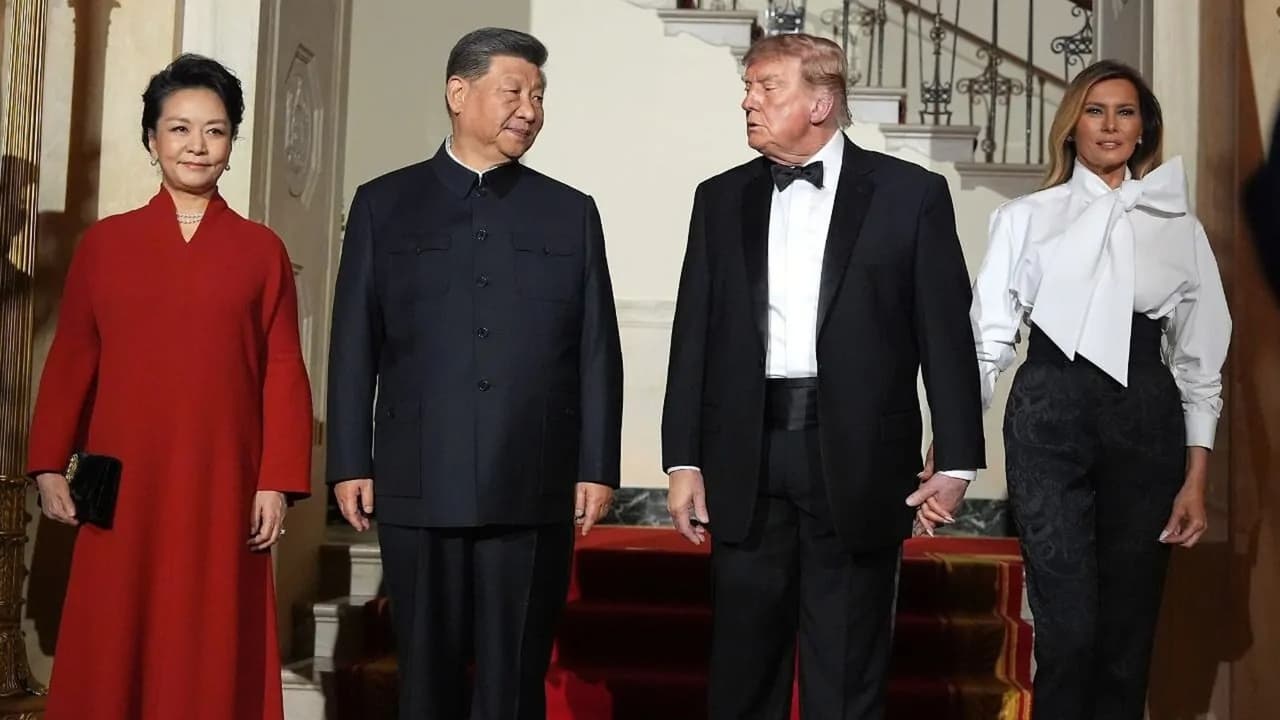
Trump welcomed Xi with a carefully orchestrated display at the White House, featuring military pageantry, ceremonial events and tours of redesigned presidential grounds. Public appearances focused heavily on symbolism and personal diplomacy.
When reporters were given access to the two leaders, attention often shifted toward the visual aspects of the visit rather than detailed policy discussions.
The approach reflected a broader effort by both governments to project stability and maintain direct communication despite ongoing disagreements.
3. Taiwan Continues To Be A Sensitive Flashpoint
Taiwan remained one of the most important security issues discussed during the meeting.
According to Chinese accounts of the talks, Xi urged Washington to handle matters related to Taiwan cautiously and reiterated Beijing’s position regarding Taiwanese independence.
The issue remains among the most sensitive points in the bilateral relationship. While there were no indications of an immediate policy change from Washington, the conversation underscored the strategic importance both sides continue to attach to the island.
The fact that Taiwan featured prominently in the discussions highlights how security concerns remain intertwined with broader diplomatic and economic negotiations.
4. Strategic Rivalry Remains A Long-Term Concern
Despite efforts to maintain dialogue, both leaders acknowledged the broader challenge of managing competition between the United States and China.
Xi referenced concerns surrounding a possible confrontation between a rising power and an established one, while emphasizing the importance of avoiding conflict through continued engagement and communication.
Both sides stressed the benefits of cooperation, but neither suggested that strategic competition would diminish in the near future.
The summit demonstrated that managing rivalry, rather than eliminating it, has become a central objective of the relationship.
5. Washington And Beijing Still Disagree On AI Governance
Artificial intelligence emerged as a major topic, but significant differences remain over how the technology should be regulated.
Trump signaled a preference for minimal new restrictions and suggested that existing institutions could manage concerns surrounding AI development.
Xi, meanwhile, emphasized that leading technological powers have a responsibility to guide AI growth and ensure that its development remains under human control and serves broader public interests.
The contrasting positions reflect wider differences between the two countries over technology policy, regulation and innovation.
With leading figures from the AI industry attending events linked to the visit, the issue is likely to remain a major theme in future US-China discussions.