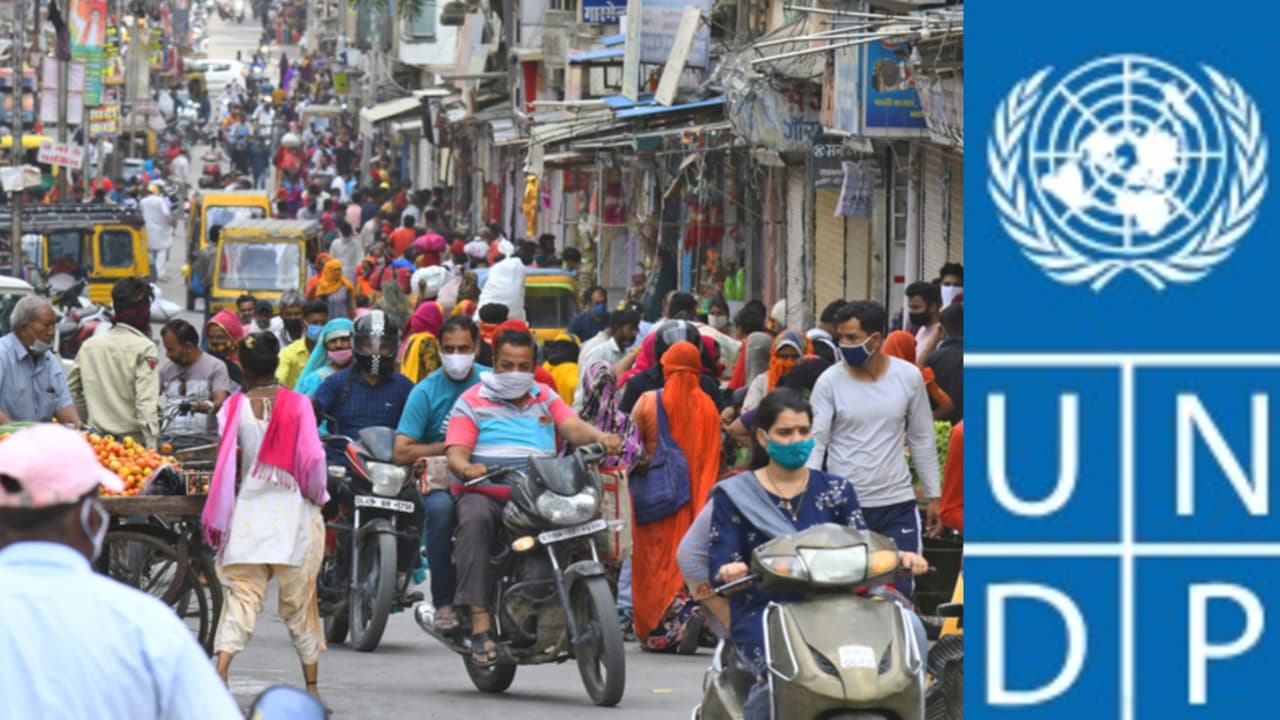
A UN report warns that the West Asia conflict could push up to 2.5 million Indians into poverty and slow development progress. Rising fuel costs, supply disruptions and trade issues are increasing living expenses and affecting jobs. India’s heavy dependence on the region for oil, fertilisers and remittances makes it highly vulnerable.
A new United Nations report has warned that the ongoing military escalation in West Asia could have serious effects on countries far beyond the conflict zone. India is among the most affected nations. According to the United Nations Development Programme (UNDP), the crisis could push up to 2.5 million people in India into poverty. The report also says the country may see a slowdown in its human development progress. The study highlights how rising fuel prices, supply disruptions and economic pressure are affecting daily life.
How the conflict is affecting people
The UNDP report explains that the conflict is increasing the cost of fuel, transport and basic goods. This means families have to spend more money on daily needs. As a result, many households are finding it harder to afford food and other essentials. This situation is raising concerns about food security and living standards. The report estimates that globally, around 8.8 million people could fall into poverty because of the crisis. A large share of this impact is expected in South Asia, including India.
India’s poverty numbers may rise
In India, the number of people living in poverty is expected to increase significantly. The report says poverty could rise from about 351.5 million people to over 354 million. This means nearly 2.46 million additional people may fall into poverty due to the crisis. The poverty rate in the country is also expected to increase slightly, from 23.9 per cent to 24.2 per cent. Even small percentage changes can affect millions of people in a country as large as India.
Impact on human development
The report also looks at the Human Development Index (HDI), which measures progress in areas like health, education and income. India is expected to see a small setback, with a loss of around 0.03 to 0.12 years of progress. While this may seem small, it shows that the crisis is slowing down development gains. Other countries in the region, such as Nepal and Vietnam, are also expected to face similar effects.
Why India is highly exposed
India depends heavily on West Asia for energy and other key imports. This makes it more vulnerable to disruptions. The report notes that India imports over 90 per cent of its oil. More than 40 per cent of its crude oil and 90 per cent of LPG come from West Asia. The region also supplies over 45 per cent of India’s fertilisers. In addition, 85 per cent of India’s urea production depends on imported natural gas. Any disruption in this supply chain can directly affect prices and farming activities.
Energy and power challenges
With rising LNG prices, countries like India are turning more towards coal-based power. This shift may help meet energy demand in the short term, but it also raises concerns about environmental impact. Higher energy costs also affect industries and households, adding to economic pressure.
Trade and supply chain disruptions
The report highlights that trade routes are being affected by the conflict. Higher shipping costs, delays and route changes are impacting goods movement. In India, West Asia accounts for about 14 per cent of exports and over 20 per cent of imports. Key exports include basmati rice, tea, gems, jewellery and clothing. Disruptions in these sectors can affect businesses and jobs.
Food security concerns
Food supply is another major concern. The report warns that the crisis could affect the upcoming Kharif farming season in India. Fertiliser supply and cost are crucial during this period. While current urea stocks offer some relief, long-term disruption could create problems. At the same time, reduced income from abroad may also affect families’ ability to buy food.
Impact on remittances and workers
India has a large number of workers in Gulf countries. Around 9.37 million Indians live in these regions. They send back a large share of remittances, about 38 to 40 per cent of total inflows. If economic activity slows in these countries, workers may earn less or lose jobs. This would reduce money sent home and affect many families in India.
Jobs and small businesses at risk
The report warns that jobs in India could be affected, especially in sectors that depend on imports or exports. Small businesses in areas like hospitality, food processing, construction, steel and jewellery may face higher costs and fewer orders. This could lead to reduced working hours, job losses and business closures. Since around 90 per cent of India’s workforce is in the informal sector, many workers have limited financial safety.
Rising healthcare costs
The crisis is also affecting the health care sector. Prices of raw materials for medical devices could rise by around 50 per cent. Wholesale prices of medicines have already increased by 10 to 15 per cent. This could make healthcare more expensive for people.
Opportunities for long-term change
Despite the challenges, the report also points to possible solutions. Experts suggest that countries can build stronger systems by improving social protection, reducing dependence on imports and strengthening local supply chains. UNDP officials say this could help countries become more resilient in the future.
(With inputs from agencies)