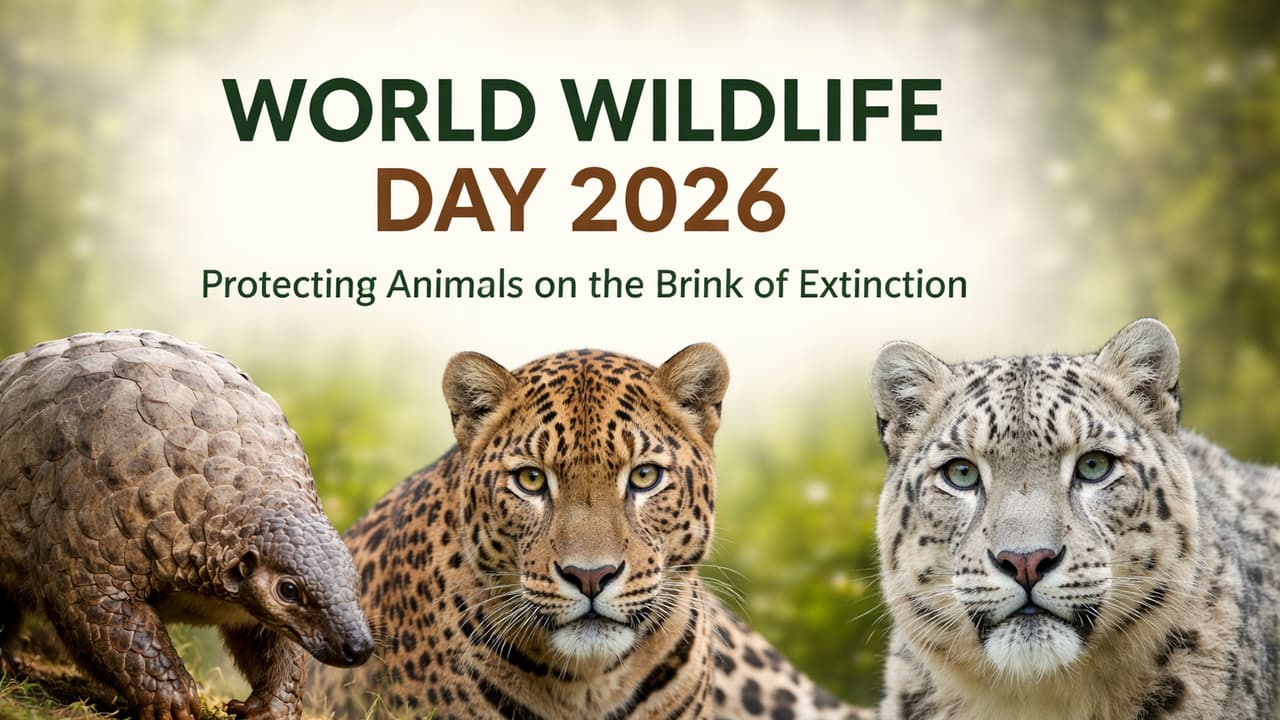
On World Wildlife Day 2026, we highlight the urgent need to protect endangered species like pangolins, snow leopards, and Amur leopards, using science, technology, and global conservation efforts to prevent extinction.
Every year on March 3, World Wildlife Day reminds us of the incredible variety of life on Earth and how delicate that life has become. From the smallest pangolin creeping through Asian forests to the great cats silently moving through remote woodlands, many species are now facing the real threat of extinction. Scientists are working hard to understand why these animal populations are declining and find ways to stop it.
The International Union for Conservation of Nature (IUCN) Red List offers a detailed record of the conservation status of plants and animals around the world. Species placed in the Endangered or Critically Endangered categories are at very high or extremely high risk of disappearing from the wild. Here are a few endangered species listed by the IUCN:
Pangolins: The Most Trafficked Mammal
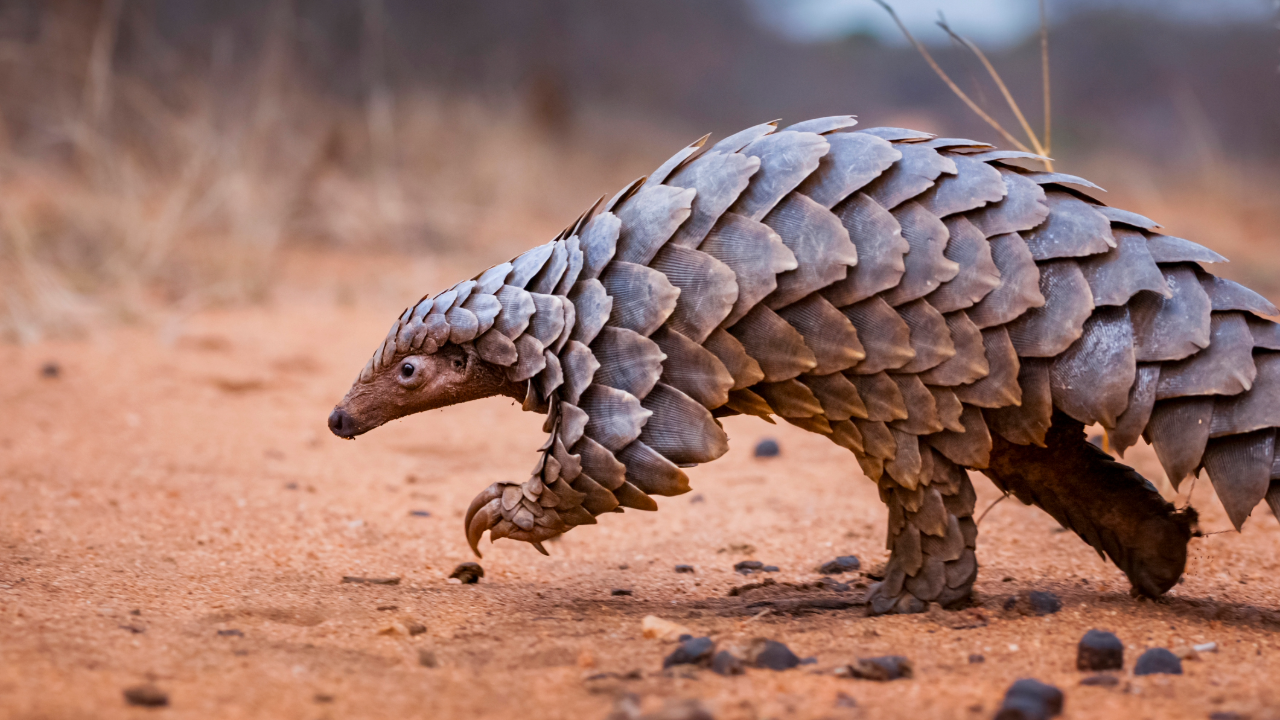
Few animals make the crisis more visible than the pangolin. Known as the “scaly anteater,” these shy, nocturnal mammals are found in Asia and Africa. Their distinctive keratin scales make them easy to spot, but they also make them targets for illegal trade. Pangolins are hunted for their meat and scales, which are highly valued in black markets and traditional medicine. The Sunda pangolin and Chinese pangolin are both classified as Critically Endangered due to illegal hunting and loss of their natural habitats. All eight pangolin species are protected under CITES Appendix I, which prohibits international trade in wild-caught specimens and body parts.
Scientific research is helping to improve conservation efforts. For example, species distribution models which use environmental data and known locations are used to find the best habitats and help set up protected areas. In parts of China, such models have shown that making the most of existing nature reserves can greatly increase the chance of survival for pangolins.
Amur Leopards and Asian Big Cats

Among the world’s rarest big cats, the Amur leopard is a haunting example of a species struggling to survive. With fewer than 100 animals left in the wild, mainly in the forests of Russia’s Far East and neighbouring China, this leopard is listed as Critically Endangered. Poaching, habitat fragmentation, and a lack of prey have pushed the population to dangerously low numbers. Conservationists are using camera traps and AI-based monitoring to track individual leopards, understand their movements, and direct anti-poaching activities.
Similarly, the Javan leopard, found only on the island of Java in Indonesia, lives in very small and isolated forest patches with perhaps only a few hundred mature individuals left. Regular monitoring and careful planning at the landscape level are essential for keeping these isolated groups connected genetically.
Snow Leopards: Ghosts of the High Mountains
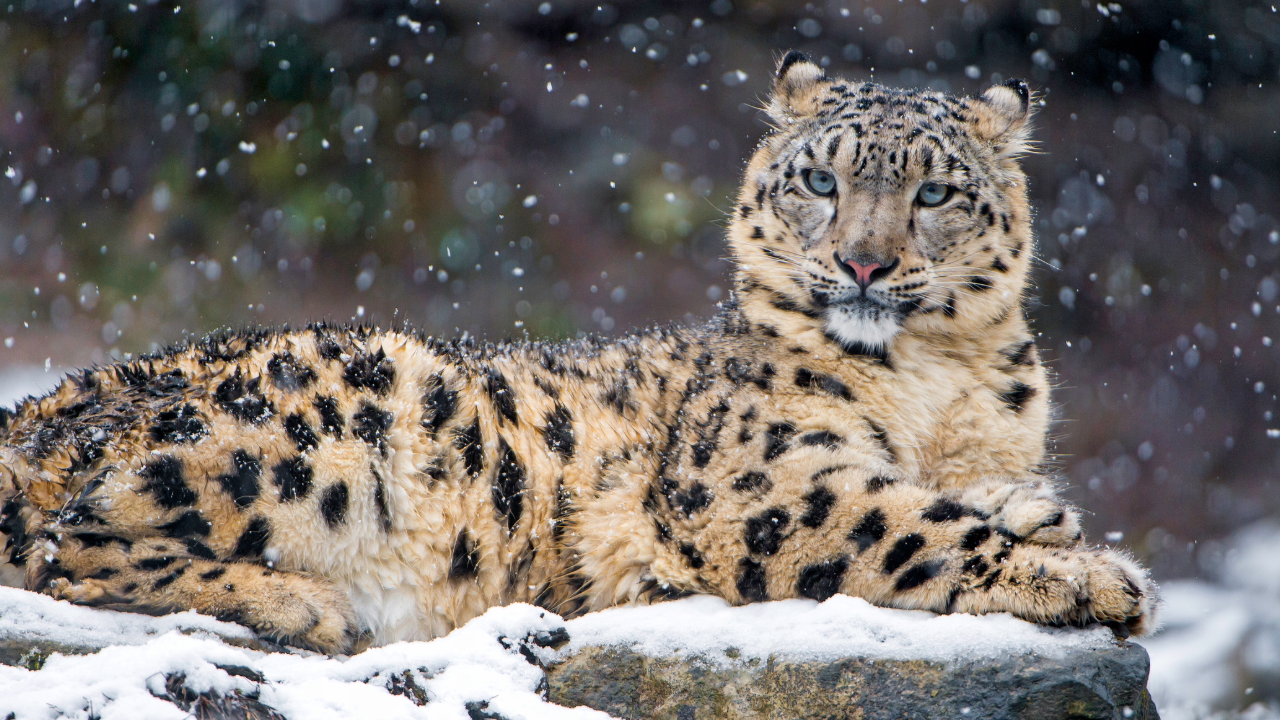
The snow leopard is one of the most well-known big cats, yet it is increasingly vulnerable. Loss of habitat, climate change, and retaliatory killings by farmers when snow leopards attack livestock have all led to population decline. While the species is currently listed as Vulnerable, experts warn that its numbers are continuing to drop. Field studies using camera trapping and spatial population models help scientists estimate densities and identify important conservation areas, supporting initiatives like Project Snow Leopard.
What Science Tells Us and What We Must Do
Science does more than track the decline of species; it offers real solutions. Genetic studies can show how inbreeding and loss of genetic diversity weaken populations. This helps guide captive breeding programmes and reintroduction efforts to produce healthier offspring. Technology like environmental DNA (eDNA) to detect animals in rivers and forests, and drones and satellite imagery to monitor habitat changes, allows researchers to detect threats more quickly and precisely than ever before.
Local and indigenous communities are also essential. Conservation strategies that respect and use traditional knowledge, such as the movement patterns and seasonal behaviours of animals, are more likely to succeed. Equally important are policies that reduce habitat loss from development and agriculture, and that strengthen efforts to stop wildlife trafficking.
On this World Wildlife Day, it’s important to be aware that the extinction crisis is real, but it is not inevitable. With science as our guide and through global cooperation and effective conservation actions, we can still make a difference for species on the brink of extinction.