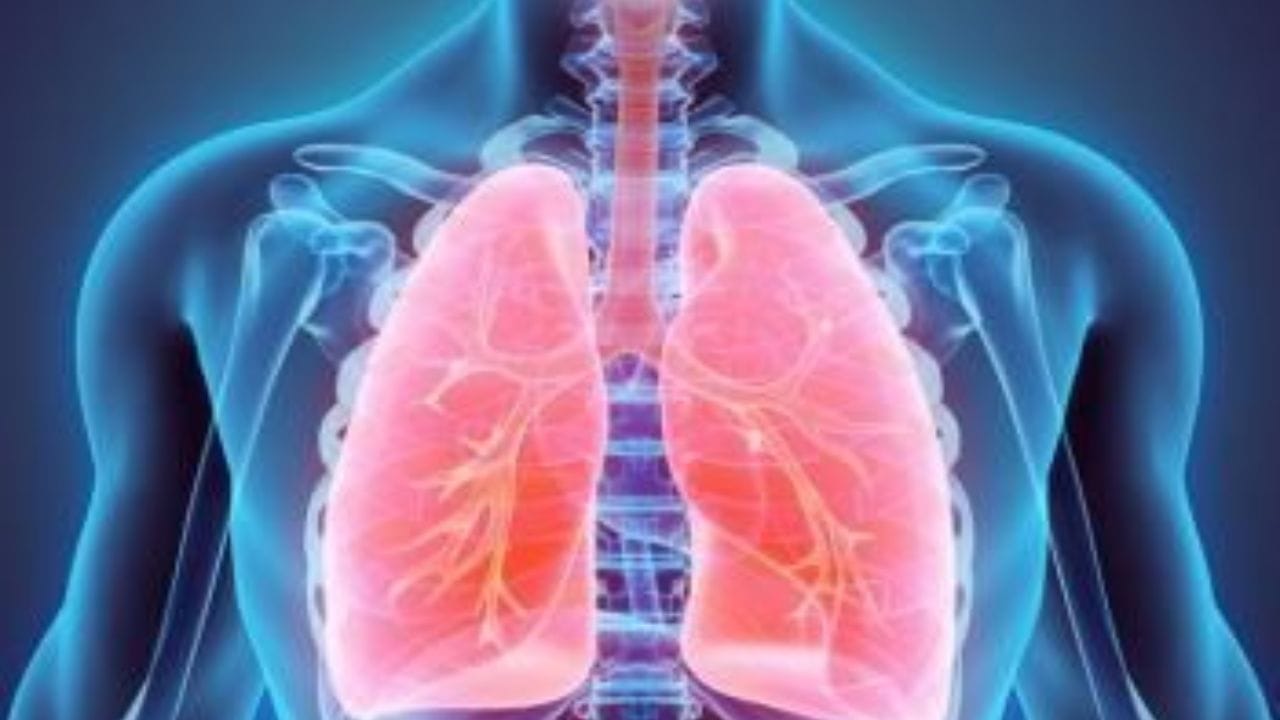
New Delhi: Pulmonary oedema is a serious condition in which fluid accumulates inside the lungs, making breathing difficult and reducing oxygen levels in the bloodstream. When it occurs alongside peripheral oedema – swelling in the legs, abdomen or other tissues – it may indicate significant fluid overload or advanced disease affecting the heart, kidneys, liver or venous system. In more severe cases, the stretched skin over swollen areas may begin to leak fluid, a condition often described as weeping oedema.
Pulmonary oedema is commonly associated with acute heart failure, but it may also develop in non-cardiac situations such as severe infection, toxin exposure, high altitude or major lung injury. Because these conditions can progress rapidly and affect multiple organs, early recognition is critical. Identifying the causes, warning signs and preventive steps can help reduce complications and improve outcomes for affected patients.
Pulmonary oedema: Causes, symptoms and prevention
What leads to pulmonary and peripheral oedema
Pulmonary oedema is most frequently linked to left-sided heart failure, where increased pressure in lung blood vessels forces fluid into air spaces. Right-sided heart failure may contribute to visible swelling in the legs and abdomen. Kidney disease impairs the body’s ability to remove excess salt and water, while liver disorders and low blood protein levels can worsen fluid retention. Chronic venous or lymphatic problems and certain medications may also contribute.
Dr Pritpal Kaur says, “Left-sided heart failure raises pressure within the lungs, while right-sided failure and kidney dysfunction can intensify peripheral swelling.” She adds, “Fluid overload often reflects a broader systemic imbalance.”
Peripheral oedema: Causes and symptoms
Peripheral oedema may present as tightness, heaviness and visibly swollen legs with shiny, stretched skin. In advanced cases, fluid may leak through the skin surface. When lung involvement is present, patients can experience breathlessness, worsening symptoms while lying flat, persistent coughing, anxiety and a sensation of suffocation. Rapid breathing, low oxygen levels and pink frothy sputum are serious warning signs.
“Breathlessness that worsens on lying down is a classic feature of pulmonary oedema,” Dr Kaur explains. “Pink frothy sputum and oxygen drop require urgent medical attention.”
Steps to prevent peripheral oedema
Prevention depends largely on controlling the underlying disease. In heart failure, patients should take prescribed medicines regularly, restrict excess salt intake, monitor fluid consumption and watch for sudden weight gain. Blood pressure control is essential. Kidney, liver and venous conditions require consistent treatment and follow-up.
“Limiting salt, tracking weight changes and seeking care early for worsening symptoms can prevent complications,” Dr Kaur advises.