Winter Vegetables – As winter approaches, vegetable markets begin filling with fresh greens, colourful roots and seasonal produce. Spinach, fenugreek, bathua, carrots, peas and pumpkins become common choices in many households. Along with these familiar options, some less frequently discussed winter vegetables also offer valuable nutrients and plant compounds. Nutritionist Shilpa Arora recently highlighted five seasonal foods, including black carrots, sweet potatoes, thick red chillies, pumpkins and bathua, in an Instagram post. These vegetables contain antioxidants, vitamins, fibre and other bioactive compounds that contribute to overall health. Some of these compounds have also been studied for their potential role in protecting cells against oxidative damage. However, no individual vegetable can prevent or cure cancer, and a varied diet remains important for long-term health.
1. Black Carrots Provide Anthocyanins
Black carrots are a distinctive winter vegetable recognised by their deep purple colour. Their appearance comes largely from anthocyanins, a group of natural plant pigments known for their antioxidant properties.
Antioxidants help protect cells from oxidative stress, which occurs when there is an imbalance between harmful free radicals and the body’s antioxidant defences. Anthocyanins have also been researched for their potential anti-inflammatory effects.
Black carrots can be eaten raw, added to salads or used to prepare traditional winter drinks and other dishes. Including them in a balanced diet is one way to increase the variety of plant compounds consumed through food. Their nutritional value makes them an interesting seasonal alternative to ordinary orange carrots.
2. Sweet Potatoes Offer Beta-Carotene and Fibre
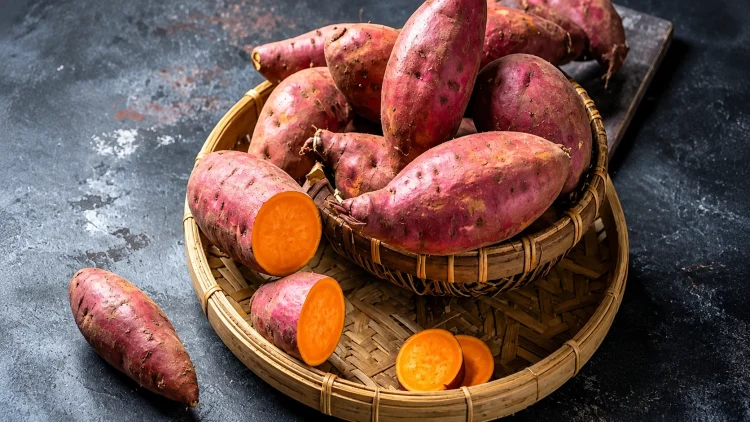
Sweet potatoes are another popular winter food that combine a naturally sweet taste with several important nutrients. They contain beta-carotene, fibre and vitamin C, making them a useful addition to everyday meals.
Beta-carotene is converted into vitamin A in the body, which supports normal vision, immune function and skin health. Fibre contributes to digestive health and can help people feel full for longer. Sweet potatoes also contain various plant compounds with antioxidant activity.
Nutritionist Shilpa Arora suggests including sweet potato chaat as an evening snack. They can also be roasted, boiled or prepared as a simple vegetable dish. Choosing cooking methods that require less added oil and salt can help keep the meal balanced.
3. Thick Red Chillies Contain Capsaicin
The thick red chillies commonly available during winter are often used to prepare pickles and traditional dishes. Their nutritional value goes beyond their flavour, as they contain vitamin C, carotenoids and capsaicin.
Capsaicin is the natural compound responsible for the characteristic heat of many varieties of chilli. It has been studied for several biological effects, including potential anti-inflammatory activity. Carotenoids and vitamin C also contribute antioxidant properties.
These compounds are being researched for their possible relationship with cellular health, but eating red chillies should not be considered a cancer-prevention treatment. People who experience acidity or digestive discomfort after eating spicy food should adjust their intake accordingly.
4. Pumpkin Is a Good Source of Carotenoids
Pumpkin is a versatile winter ingredient that can be prepared as a vegetable, soup or puree. Its bright orange colour comes partly from beta-carotene, while it also contains other carotenoids, including lutein and zeaxanthin.
These plant pigments are known for their antioxidant properties. Beta-carotene supports vitamin A production in the body, while lutein and zeaxanthin are particularly associated with eye health.
A bowl of homemade pumpkin soup can be a convenient way to include this vegetable in a winter meal. Pumpkin can also be cooked with other vegetables to create a nutrient-rich dish.
5. Bathua Leaves Add Vitamins and Plant Compounds
Bathua, commonly used to prepare winter saag, is another seasonal food worth including in meals. Its green leaves provide several nutrients, including vitamin A, vitamin C and folate. They also contain chlorophyll and different types of polyphenols.
Polyphenols are naturally occurring plant compounds that have attracted scientific interest because of their antioxidant activity. Bathua can be prepared as saag, added to parathas or mixed into other vegetable dishes.
The nutritionist recommends including bathua in meals around three times a week. However, the idea that any particular food directly removes accumulated toxins from the body is not scientifically established. The liver and kidneys naturally perform the body’s major detoxification functions.
Why Seasonal Vegetables Matter in Winter
Eating a variety of seasonal vegetables helps provide different vitamins, minerals, fibre and protective plant compounds. Instead of relying on one so-called superfood, nutrition experts generally recommend a diverse diet that includes different colours and types of vegetables.
Black carrots, sweet potatoes, red chillies, pumpkin and bathua can all contribute to this variety. Combining them with pulses, whole grains, fruits and adequate protein makes everyday meals more nutritionally balanced.
Conclusion
These five winter vegetables offer a range of nutrients and naturally occurring plant compounds that support overall health. Black carrots provide anthocyanins, sweet potatoes contain beta-carotene and fibre, while red chillies, pumpkin and bathua add other valuable nutrients. Although some of their compounds are being studied for potential protective effects, no vegetable can guarantee protection against cancer. Including a variety of seasonal foods in a balanced diet is a more practical approach to supporting long-term health.