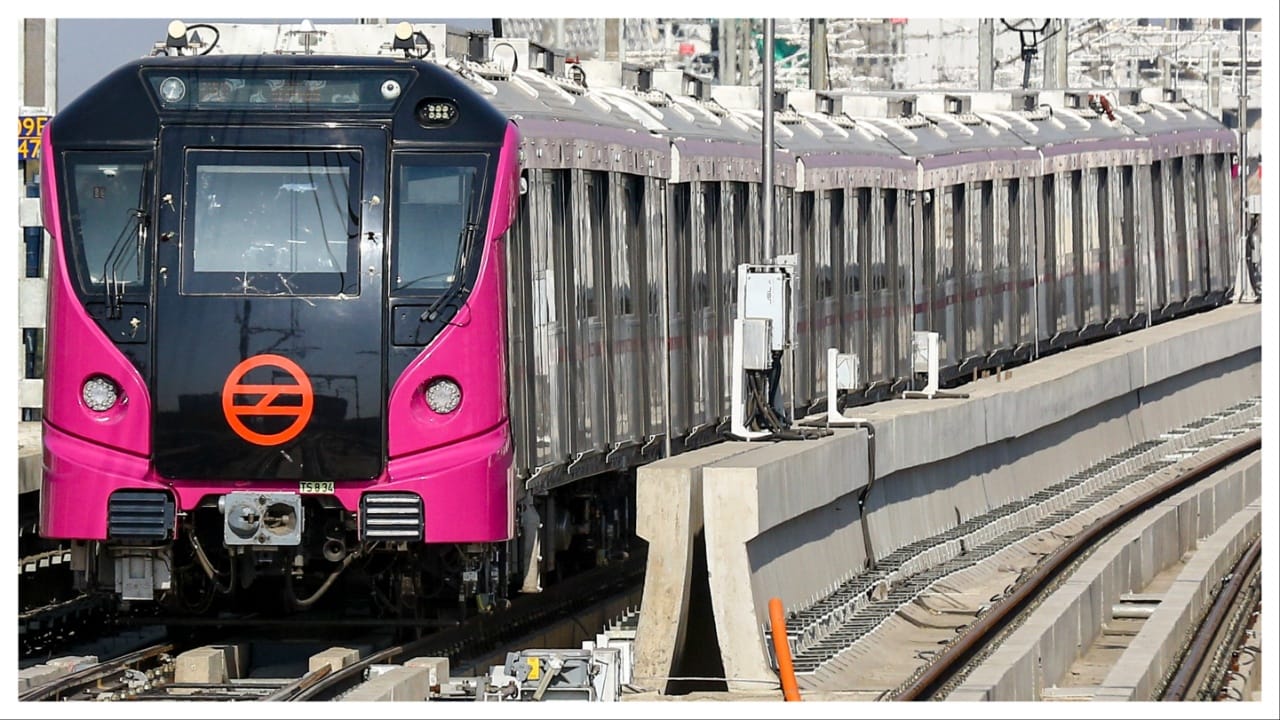
New Delhi: The Delhi Metro Rail Corporation (DMRC) has announced a major expansion of its services starting May 18. The urban transporter will run 24 additional train trips every Monday by putting six extra trains into service across its corridors.
The decision follows a broader government appeal asking residents to cut down on private vehicle use to help improve urban mobility, environmental sustainability and energy security. DMRC also mentioned that similar service extensions could be rolled out on other days of the week if commuter numbers continue to climb.
To ensure that the influx of new passengers doesn’t lead to chaos at stations, the corporation is scaling up its security and ticketing infrastructure. With the addition of more security guards, extra ticket counters are being opened and spare baggage scanners and metal detectors will be brought up to keep entry lines moving fast during peak hours.
DMRC highlighted that the network acts as a crucial lifeline linking major transit points, including railway stations, airport terminals, interstate bus hubs and regional systems like the Namo Bharat RRTS, Noida Metro and Rapid Metro Gurugram.
DMRC will introduce 24 additional train trips from 06 additional trains every Monday starting from 18th May 2026 and on other days, as and when required. This capacity expansion aims to ensure uninterrupted service and efficient passenger management during increased passenger… pic.twitter.com/Oc297C1OIK
— ANI (@ANI) May 17, 2026
Boosting final mile with green buses and app bookings
A key part of getting people to leave their keys at home is making it easier to get from the station to the final destination. Nearly one lakh daily passengers rely on e-autos, e-rickshaws, bike taxis, and cycle rentals operating out of 160 stations. Commuters can plan their journeys and book these rides directly alongside their metro tickets using the unified ‘Saarthi App’.
To strengthen these connections, new eco-friendly solutions are being introduced. In the Central Vista area, hydrogen-powered shuttle buses have been launched with help from Indian Oil to drop central government workers off at their offices. On top of that, the Delhi Transport Corporation (DTC) is running roughly 1,500 electric Devi buses as feeder services across 52 key stations, with plans to add more vehicles down the line.
Seamless integration through ‘park and ride’ networks
For those who cannot avoid driving entirely, the metro is promoting its “park and ride” initiative. There are functional parking spots at 126 stations across the Delhi-NCR zone, letting commuters easily park their personal cars or bikes and hop straight onto a train.
The expansion of WhatsApp ticketing, QR codes, and National Common Mobility Cards (NCMC) alongside integrations with popular consumer apps like Paytm, PhonePe, Amazon, and IRCTC means passengers rarely need to stand in line for tokens. DMRC hopes this combined approach of more trains, better last-mile links and effortless ticketing will finally convince NCR residents to embrace a more sustainable commute.