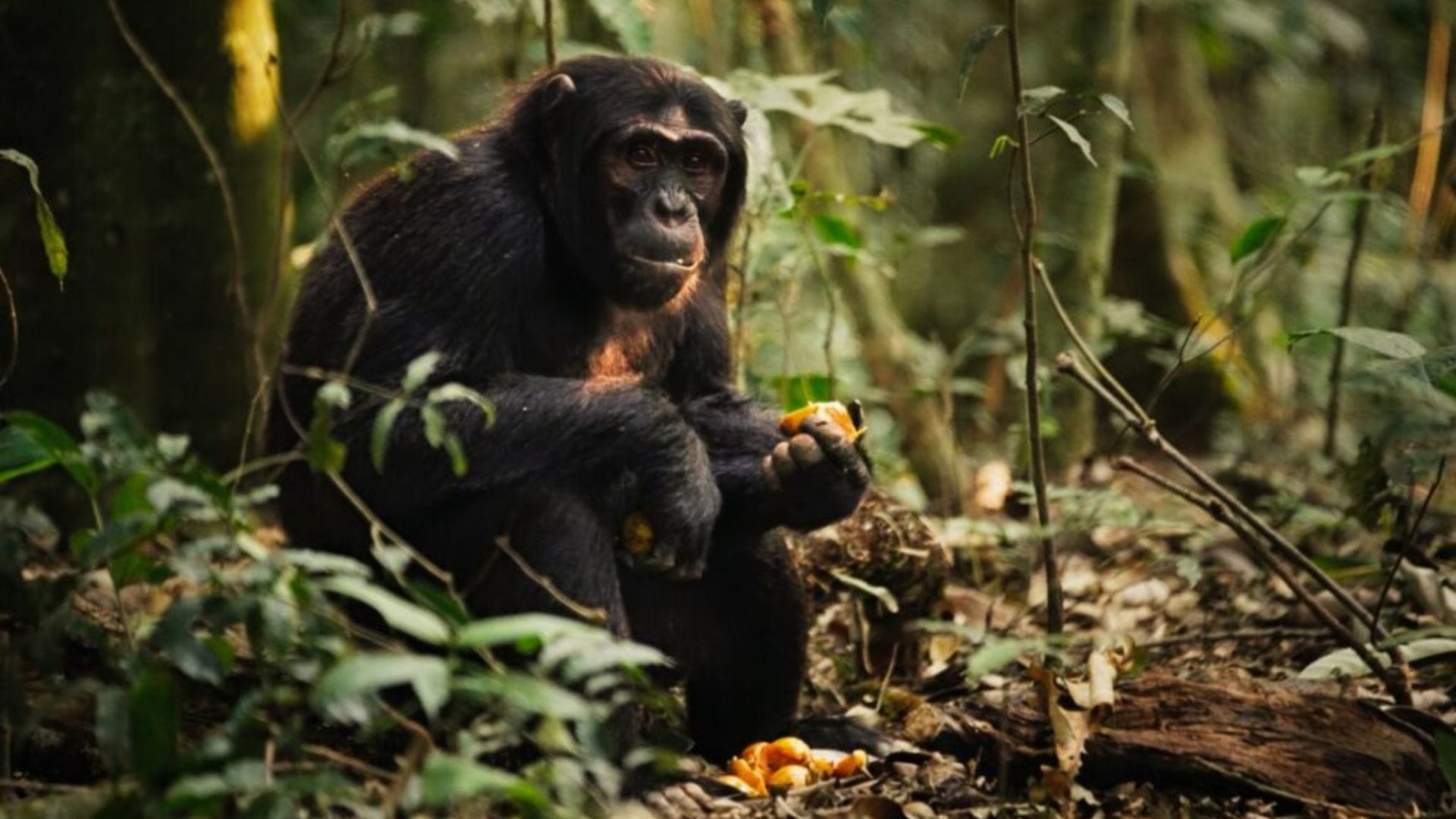
New Delhi: Last year, researchers from UK Berkeley documented that chimpanzees in the wild eat fruits, and that these fruits contain sufficient alcohol from fermentation to provide 14 grams per day, the equivalent of two standard drinks. The researchers wanted to precisely measure the alcohol intake of chimps in the Ugandan rain forest, and urine tests were more practical than breathalysers. To collect the samples, graduate students covered forked branches with plastic bags, with long handles to stay clear of the spray zone. They then waited under trees to collect the samples, which were also collected from puddles on the forest floor.
The researchers were able to collect enough samples over a 11 day trip to fill a critical gap in the ‘drunken monkey’ hypothesis, the idea that chimps and many animals naturally seek out and ingest alcohol in the diet. One consequences is that humans likely evolved the same tendencies as descendants of fruit-eating apes. A paper describing the research has been published in Biology Letters, showing that most chimps sampled contain a metabolic byproduct of alcohol, ethyl glucuronide, that proves significant quantities of ethanol in the diet of chimps. The findings are along the lines of inferred ingestion rates.
Researchers have called for more studies
The researchers also collected samples of the many types of fruit chimps are known to eat, and then measured the ethanol concentration in the fruit pulp, to estimate how much alcohol a chimp would consume. The researchers collected samples from identified chimps, revealing that both males and females alike tested positive for ethanol byproducts. The negative results came disproportionately from females in estrus and juveniles. The scientists suspect that the males may be hoarding the alcoholic fruits. The researchers have called for further studies to assess the effects of the ethanol on the physiology and behaviour of the chimps over time, including if the consumption of fermented fruit affects aggression.