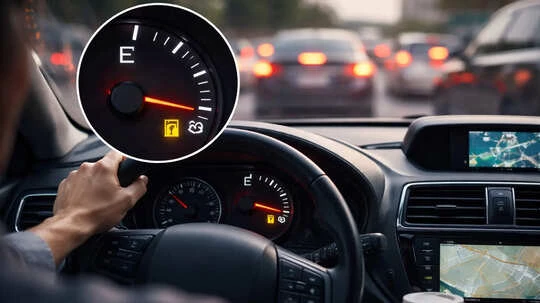
Running your car until the fuel warning light comes on may seem like a small habit, but it can lead to serious problems over time. Many drivers assume “reserve fuel” is safe to use regularly, but in reality, it is only meant for emergencies.
What Reserve Fuel Actually Means
When the low fuel light turns on, it simply means your fuel level has dropped to a minimum. Usually, only a few litres are left in the tank. This fuel is not designed for daily use. It is only meant to help you reach the nearest petrol pump safely. Driving regularly in this condition can harm your vehicle.
Fuel Pump Damage Is a Major Risk
The fuel pump is one of the most important parts of your car’s fuel system. It sits inside the fuel tank and uses the fuel itself for cooling and lubrication. When the fuel level is too low, the pump starts pulling in air instead of fuel. This leads to overheating and faster wear. Over time, this can cause the fuel pump to fail completely, which can be expensive to repair or replace.
Dirt And Sediment Enter The System
Every fuel tank collects small amounts of dirt, rust, or sediment over time. These particles settle at the bottom of the tank. When you run on reserve fuel, the pump starts drawing fuel from this lower level, pulling in these unwanted particles. This can clog the fuel filter, damage injectors, and reduce overall engine efficiency.
Engine Performance Gets Affected
Low fuel levels can also affect how your engine runs. When the fuel supply becomes uneven, the engine may misfire, feel rough while idling and lose power during acceleration. In petrol cars, this can even harm the catalytic converter, which is a costly component.
Safety Risks While Driving
Running out of fuel completely can be dangerous, especially in traffic. If the engine stops suddenly steering becomes harder, braking loses assistance and the car can stall in the middle of the road. This can lead to risky situations, particularly on highways or busy city roads.
Fuel Gauge Is Not Always Accurate
Many drivers depend on the fuel gauge, but it is not always precise. Factors like road angle, driving conditions, and sensor variations can affect the reading. This means you might have less fuel than the display shows.
How To Avoid
To avoid all these issues, we recommend keeping your fuel tank at least one-quarter full. This small habit helps protect your fuel system, improves engine performance, and reduces the chances of breakdown. Driving on reserve fuel may feel convenient, but it can cause long-term damage and safety risks.