
Finding out you’re HIV-positive can shake you in ways you don’t always expect. It’s not just about starting medication or planning your medical follow-ups – it’s the fear, the questions you don’t want to say out loud, the what-ifs, and the sudden feeling that life has slipped out of your hands.
Many people describe this phase as overwhelming, confusing and lonely, even when they have support around them.

That’s where mental-health counselling becomes more than a formality. It becomes the space where fear, denial, guilt and anxiety can be unpacked safely with someone trained to guide you through the emotional weight of the diagnosis while helping you stay grounded through treatment and everyday life. Subhash H J, Counsellor and Mental Health Educator at Vasavi Hospitals, Bengaluru, believes this early support shapes the entire healing journey, and his experience with patients strongly reflects that.
Shock, Fear And Denial At Diagnosis
Mr Subhash notes that an HIV diagnosis often triggers intense emotional reactions. “Many respond with anger or insist the result is wrong. Others struggle with guilt or shame if they understand how they contracted the virus,” he says. He stresses that involving a mental-health counsellor during disclosure helps individuals process these feelings safely and constructively.
These responses are widely observed globally. WHO and UNAIDS highlight that the moment of diagnosis is one of the highest-risk periods for anxiety, emotional distress and suicidal ideation making counselling at this stage essential, not optional.
Stigma Drives Isolation And Loneliness
The doctor adds that post-diagnosis, there could be fear factor in the patient that because of HIV, s/he could be subject to discrimination and this may force them to withdraw from social life, friends and family. Subhash explains that this isolation can fuel loneliness, emotional fatigue and declining confidence, affecting relationships, marital plans and family goals.
This aligns with verified findings showing that stigma and discrimination remain strong predictors of depression and social withdrawal among people living with HIV. Counselling helps counter internalised stigma and encourages individuals to rebuild connections.
Anxiety Affects Treatment Adherence
Mental-health challenges also influence how consistently patients take antiretroviral therapy (ART). “Depression, anxiety or fear of being ‘found out’ can cause people to skip medication,” said Mr Subhash by adding that such patients may also withdraw from their healthy lifestyle activities like going to gym, swimming or other routines which may lead to further stress and uncertainty.
Evidence shows that untreated depression is one of the strongest predictors of missed doses, poor adherence and reduced viral suppression. Counselling especially when integrated with HIV care helps patients develop coping strategies, reduces anxiety around disclosure, and supports better ART adherence.
Financial Pressure Deepens Emotional Strain
For many, the cost of lifelong treatment and the possibility of job loss add another layer of distress. Young adults, LGBTQ+ individuals, sex workers and others from vulnerable communities may struggle with affordability. “Financial stress, fatigue and reduced interest in life often compound the emotional burden,” he says.
This mirrors what global studies show: economic uncertainty and stigma-linked job loss significantly increase the risk of depression among people living with HIV. Mental-health counselling helps individuals navigate these stressors while connecting them with community resources and support schemes.
Support and Community Networks Are Crucial
Mr Subhash emphasises that HIV must be communicated as a manageable condition, not a life-limiting one. Staying connected with support groups, seeking regular counselling and building a strong psychosocial network are essential steps in long-term wellbeing. “We need to understand that it is not just the HIV positive patient but even the dependent families may also face the impact. Hence, addressing their needs is equally important,” he adds.
Global HIV guidelines consistently highlight the role of peer groups and community support in improving coping, reducing loneliness, boosting treatment adherence and strengthening resilience. When individuals feel supported – emotionally, socially and medically, they are far more likely to maintain long-term treatment and a stable quality of life.
The Bottom Line
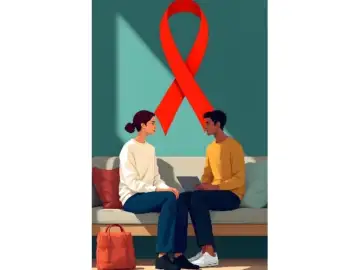
Mental-health counselling is not an add-on in HIV care, it is a stabilising force that transforms the emotional and medical journey of individuals living with HIV. From the shock of diagnosis to challenges with stigma, finances, treatment adherence and family dynamics, counselling offers structured, evidence-based support at every step. When combined with strong community networks and timely medical treatment, it helps individuals rebuild their confidence, reconnect with their goals and lead fulfilling lives.