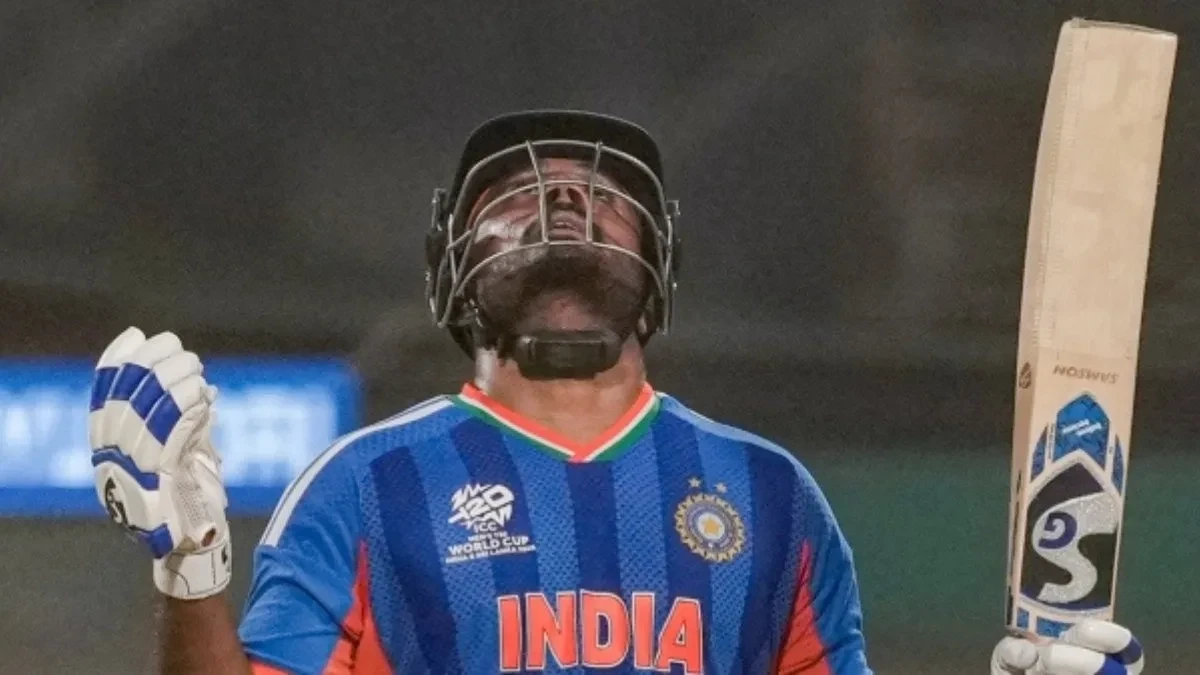
Sanju Samson’s night of redemption may not be entirely done with the rulebook. Reports suggest the ICC is reviewing his post-match celebration after India’s win over West Indies, specifically the moment he hurled his helmet to the ground following the successful 196-run chase at Eden Gardens.
On the surface, it looked like pure release – a player collapsing under the weight of emotion after carrying a must-win chase with an unbeaten 97. But the ICC’s Code of Conduct does extend to celebrations.
The governing body monitors actions such as excessive or provocative celebrations, inappropriate language, conduct that brings the game into disrepute, and dissent towards umpires. Even celebratory gestures can fall under scrutiny if deemed inappropriate or damaging to the spirit of the game.
Why is Sanju Samson in Trouble With His Helmet?
As per reports, Samson’s act is being examined as a potential Level 1 breach. Under ICC regulations, Level 1 offences are the least serious category but can still result in an official reprimand, a fine of up to 50 per cent of the match fee, and/or one or two demerit points.
More serious offences – classified as Level 2 – can escalate to heavier fines or even a one-match suspension, though there is no indication that this situation falls into that bracket.
Context, however, matters. Match referees are empowered to assess intent. A helmet thrown in anger at an umpiring decision carries a different tone than one tossed skyward in emotional celebration after sealing a semi-final berth. Emotional release, especially in high-pressure knockout scenarios, is often treated with greater leniency.
Samson’s celebration followed one of the most significant innings of his international career – a chase that not only booked India’s semi-final spot but also marked the highest successful T20 World Cup chase in the country’s history.
Whether the ICC decides to issue a reprimand or simply note the incident may hinge less on the motion of the helmet, and more on the meaning behind it.