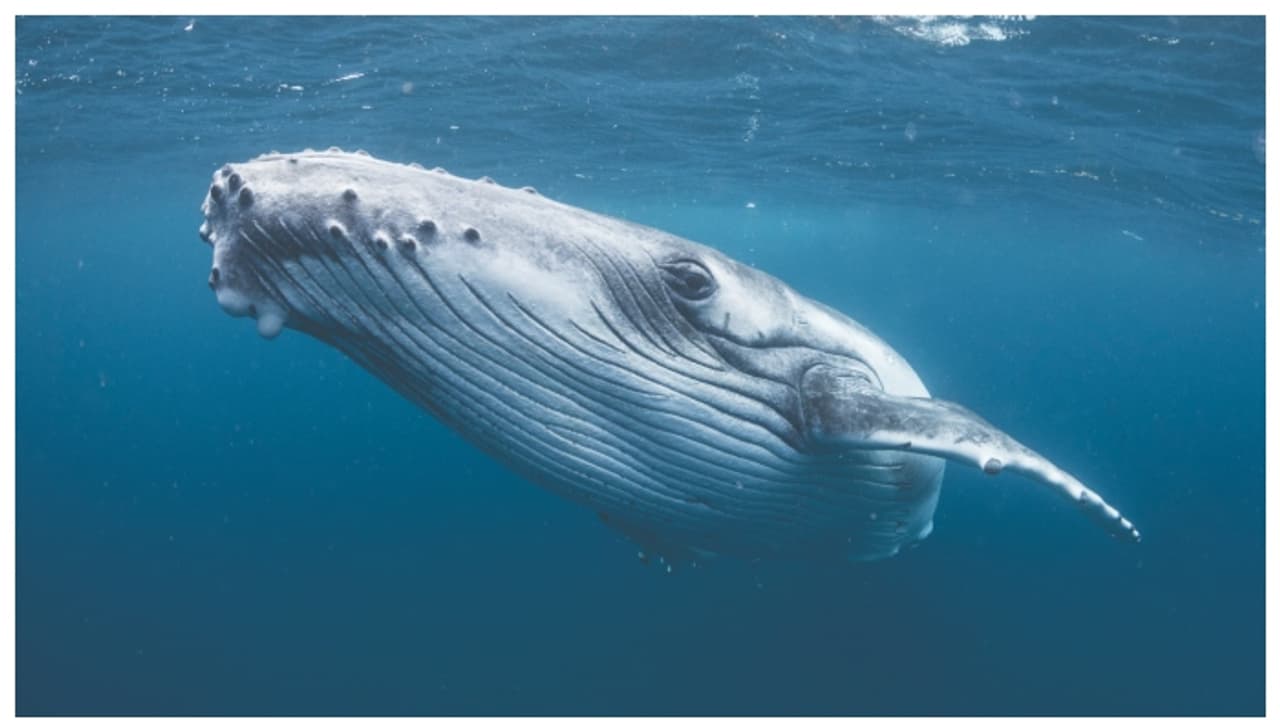
Cancer is rare in giant animals such as whales and elephants, despite having millions of cells, a phenomenon known as the ‘Petos’ paradox’. Their improved DNA repair mechanisms and tumor suppressor genes may provide new directions for human cancer research.
Cancer is common in domestic and wild animals, but it is surprising why it does not spread to some large animals. Despite having millions of times more cells than humans, whales and elephants rarely get cancer. This phenomenon is known as ‘Petose’s Paradox’. Understanding how these long-lived giant animals develop DNA repair, tumor suppression and immunity offers new directions for human cancer research.
What is the Pitoz Paradox?
It is generally believed that the more cells an organism has, the greater the risk of cancer. But cancer is rare in large animals like whales and elephants. This paradox is called ‘Pito’s Paradox’, that is, the risk of cancer does not increase even as body size and age increase. Scientist Richard Peito drew attention to this in 1977. Multiple copies of the cancer-preventing TP53 gene have been found in elephants. At the same time, whales live long lives without cancer due to their strong DNA repair system. These secrets of DNA repair are very important for cancer research. A study report recently published in Nature Journal gives a lot of hope.
DNA armor of the bowhead whale
Bowhead whales, which live for more than 200 years, are a great example of this. Their cells repair DNA damage, especially ‘double-strand breaks’ with great precision. A protein named CIRBP plays an important role in this, which is found in both humans and whales. But this protein is more effective in whales. It helps in joining the damaged DNA parts in a very precise manner. When scientists tried this whale protein on human cells, they found that those cells also began repairing DNA more accurately.
The genetic mystery of the humpback whale
Whales’ cancer protection isn’t limited to just one protein. Examining the genetic structure of humpback whales found major evolutionary changes in genes related to body structure, immunity, cell growth and dead cells. Humpback whales have multiple copies of several genes that help recognize and eliminate damaged or unhealthy cells. These genes give the whale a special ability to eliminate bad cells before they turn into cancer. For this reason, genetic changes in their body occur very slowly.
How can humans benefit?
These defense strategies of giant animals could revolutionize cancer treatment in humans. Developing drugs like the whale’s CIRBP protein could help repair cells. If the body’s DNA repair mechanism can be strengthened while protecting the cells like a whale, then the possibility of cancer can be prevented in the beginning and perhaps the fear of cancer in the future will be eliminated.