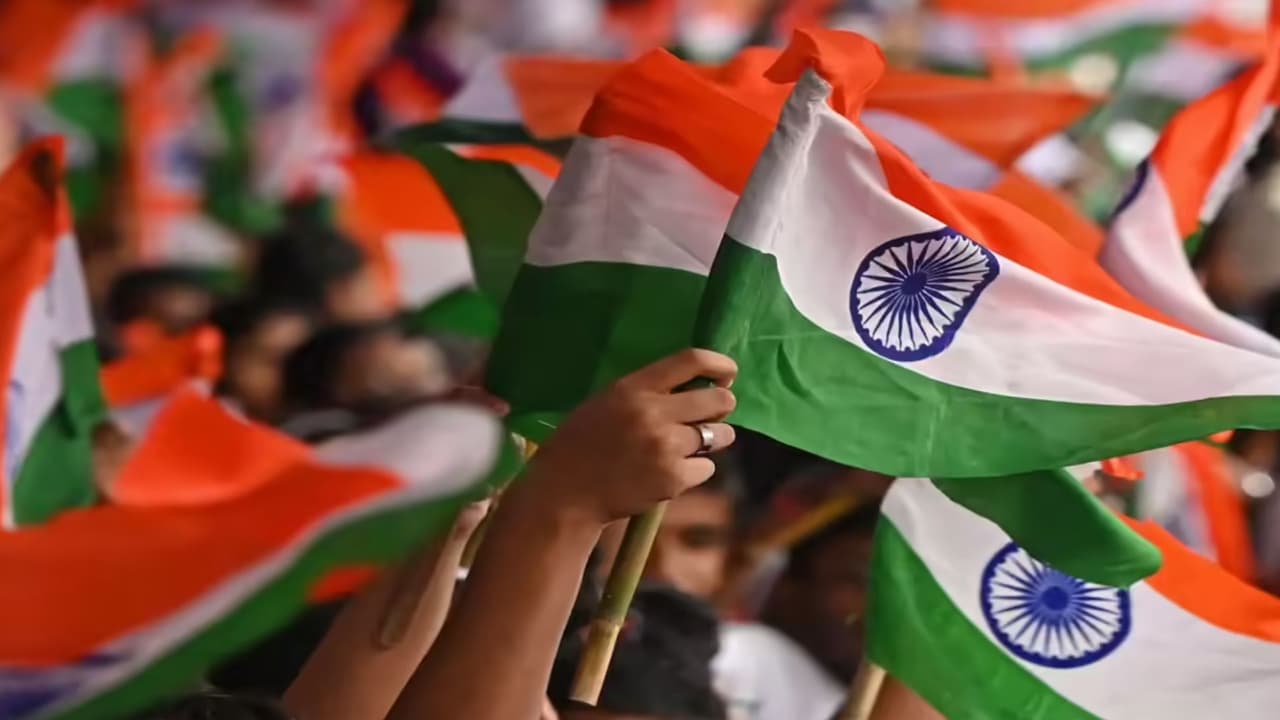
<p>Republic Day 2026 marks the day India became a republic on January 26, 1950. The date honors the 1930 Purna Swaraj declaration, when complete independence was demanded, and celebrates the adoption of the Indian Constitution.</p><img><p>January 26 wasn’t just a random date. On January 26, 1930, "Purna Swaraj" (complete independence) was declared at the Congress session in Lahore. After that, until independence, January 26 was celebrated as Independence Day every year. To honor this historic decision, January 26 was chosen as the date to implement the constitution.</p><img><p>India became free on August 15, 1947, but it didn’t become a republic on that day. Until January 26, 1950, the British monarch was the formal head of state of India. The country was run through a Governor-General. Only after the constitution was implemented did India become a fully democratic republic.</p><img><p>Making the Indian constitution was no easy task. It took 2 years, 11 months, and 18 days to prepare. The Constituent Assembly met for 165 days to discuss every topic in depth. Serious discussions were held on important issues like fundamental rights and the system of governance. This was a huge and responsible decision related to the country’s future.</p><img><p>The Indian constitution was fully ready on November 26, 1949. But it wasn’t implemented immediately. The leaders decided to link it to the 1930 "Purna Swaraj" declaration. So, they waited two months and implemented the constitution on January 26, 1950. This was a symbol of honoring history.</p><img><p>The original copies of the Indian constitution were not printed. They were handwritten by a calligrapher named Prem Behari Narain Raizada. Beautiful artwork depicting Indian culture is also on these pages. These original copies are still kept safe in the Parliament’s library.</p><img><p>When talking about the Indian constitution, the first name that comes to mind is Dr. Bhimrao Ambedkar. He was the chairman of the drafting committee and played the most crucial role. He strongly incorporated the idea that equality, justice, and fundamental rights should reach every citizen. His contribution for the rights of the deprived sections is unparalleled.</p><img><p>The first Republic Day parade was not held on Rajpath. At that time, the parade was held at Irwin Stadium. After 1955, Rajpath (now Kartavya Path) was made the permanent venue for the parade. Today, this parade is a symbol of India’s strength, culture, and diversity.</p><img><p>This is the day when the people of India gave themselves the constitution. This day reminds citizens of their rights and also makes them aware of their responsibilities. As long as the public remains aware, democracy remains strong—this is the message of Republic Day.</p>