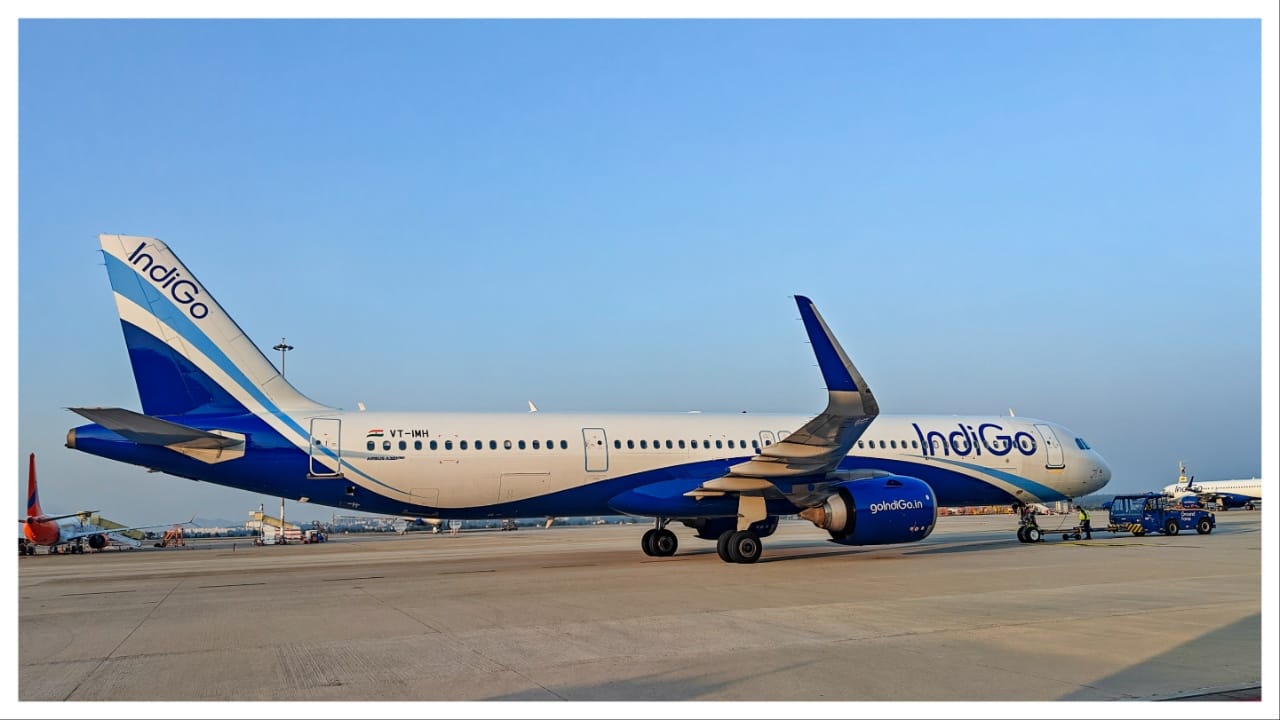
New Delhi: Air passengers in India will have to pay more for tickets as major airlines introduce fuel surcharges due to rising aviation fuel costs linked to tensions in West Asia.
Air India, IndiGo and Akasa Air have announced additional charges on both domestic and international flights after aviation turbine fuel prices increased following the conflict involving Iran and the United States, which is backed by Israel.
According to Reuters, International Air Transport Association Director General Willie Walsh said airfares could increase by up to 9 per cent due to the rise in fuel prices.
Fuel expenses form a significant portion of airline operating costs. Industry estimates show that aviation fuel accounts for about one quarter of the total expenditure of airlines.
What is a fuel surcharge
A fuel surcharge is an extra fee added to an airline ticket when jet fuel prices rise sharply. Airlines use this charge to manage sudden increases in fuel costs.
Some airlines use fuel hedging to deal with price fluctuations. This practice allows airlines to lock in fuel prices months or even years in advance. However, such arrangements normally cover only part of the airline’s fuel needs. If prices stay high for a long period, airlines often increase ticket prices.
The surcharge is added separately from the base airfare. As a result, the final price passengers pay for a ticket becomes higher.
Fuel surcharge announced by airlines
Air India and Air India Express have introduced a fuel surcharge of Rs 399 on every domestic flight ticket from March 12. The same charge will apply to flights within the SAARC region.
For international travel, the airline has increased the surcharge for several destinations. Flights to West Asia will carry a surcharge of USD 10. Flights to Africa will have a surcharge ranging from USD 30 to USD 90. Flights to Southeast Asia will see a surcharge of USD 60 after an increase of USD 20.
In a second phase starting March 18, Air India will raise surcharges for long haul destinations. The charge for Europe will increase to USD 125 from USD 100. Flights to North America will carry a surcharge of USD 200 instead of USD 150. Similar increases will apply to flights to Australia.
IndiGo has also announced a fuel surcharge ranging from Rs 425 to Rs 2,300 from March 14. Domestic flights and routes within the Indian subcontinent will have a charge of Rs 425. Flights to West Asia will carry a surcharge of Rs 900. For Southeast Asia, China and Africa the charge will be Rs 1,800. Flights to Europe will have a surcharge of Rs 2,300.
Akasa Air will introduce a surcharge between Rs 199 and Rs 1,300 from March 15. The airline said the amount will depend on the flight duration and will be applied per sector.
Conflict and airspace restrictions increase costs
The increase in fuel costs comes after tensions escalated in West Asia. The conflict has disrupted oil exports and created uncertainty in global energy markets.
Iran has carried out attacks on commercial vessels in the Persian Gulf and has targeted oil facilities in Gulf Arab countries after strikes by the United States and Israel. These developments have affected movement through the Strait of Hormuz, a narrow route that carries about one fifth of the world’s oil supply.
At the same time, many airlines have started avoiding parts of West Asian airspace because of security concerns. Flights now take longer alternative routes, which increases fuel consumption and operational expenses.
As a result, airlines have passed part of the rising cost to passengers through fuel surcharges.