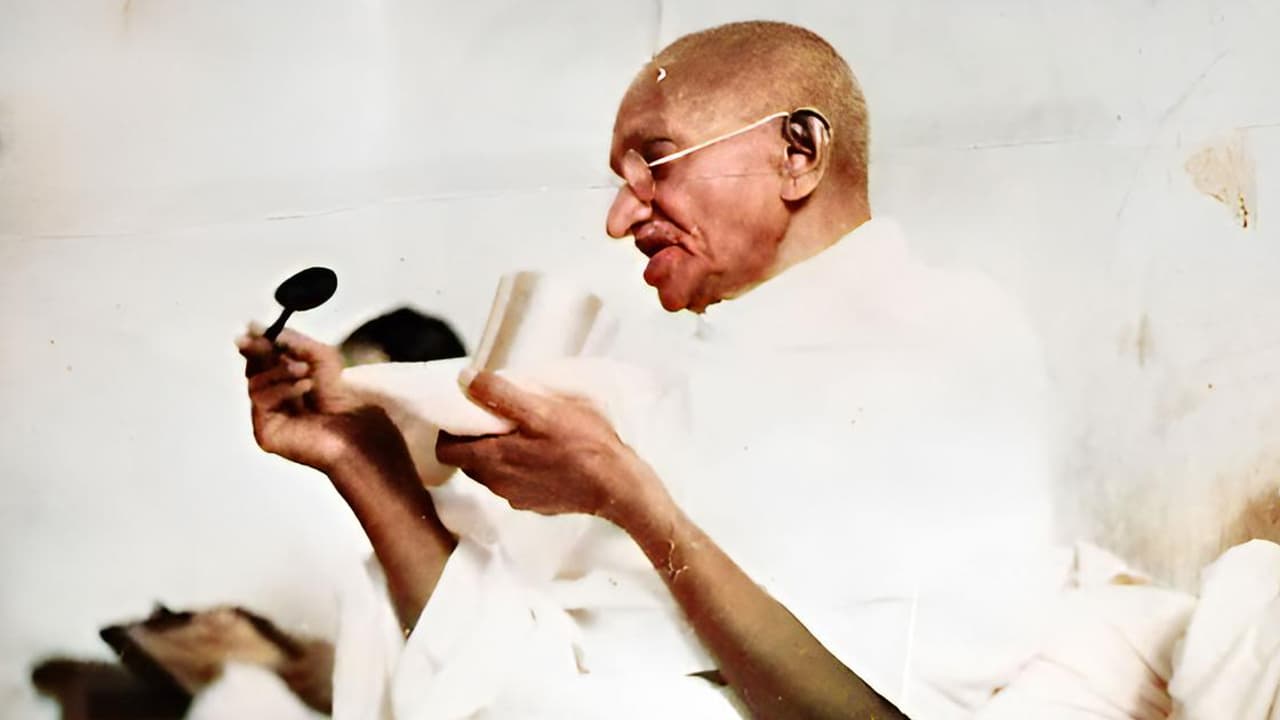
Jamnalal Bajaj was famously known as Mahatma Gandhi’s ‘fifth son’. He played a massive role in India’s freedom struggle. Interestingly, he once almost gave up his entire inheritance. But he stayed back and built the Bajaj Group, which today stands as a massive Rs 14 lakh crore business empire.
The Untold Story of Jamnalal Bajaj: Business, Freedom Struggle and Social Reform | You really cannot talk about India’s freedom struggle without mentioning Mahatma Gandhi. But not many people know about a businessman who was Gandhi’s close aide, treated him like a father, and heavily funded the freedom movement. His name was Jamnalal Bajaj. Gandhi fondly called him his ‘fifth son’. Today, the Bajaj Group he built has grown into a massive industrial empire with a total market cap of around ₹14 lakh crore.
How did Jamnalal Bajaj become Gandhi’s fifth son?
Jamnalal Bajaj was born on November 4, 1889, in Kashi Ka Bas village near Sikar in Rajasthan. His family had a very ordinary financial background. When he was just five years old, a wealthy merchant couple from Wardha, Seth Bachhraj Bajaj and his wife Saddibai, adopted him. Jamnalal grew up right in the middle of business dealings. He did not get much formal schooling, but he practically learned all the tricks of the trade, market trends, and business math.
But his life was not just about making money. Mahatma Gandhi’s simple lifestyle, non-violence, and Swadeshi ideas deeply influenced him. He joined hands with Gandhi in the freedom struggle and dedicated his wealth and time to serve the country. Because of this close bond, Gandhi lovingly called him his ‘fifth son’.
The young businessman who almost gave up his wealth!
A very interesting incident happened in Jamnalal Bajaj’s life. Back in 1906, he actually wrote a letter saying he wanted to give up his right to all his property and wealth. He felt deeply hurt by some harsh words from his adopted father, Bachhraj. He decided to leave Wardha and head towards Haridwar and Rishikesh. But Bachhraj stopped Jamnalal right at the railway station and convinced him to come back home. After that, the entire responsibility of the family business fell on his shoulders. The very business he wanted to leave behind eventually became his life’s biggest work.
Growing from cotton to sugar and steel:
The Bajaj family business initially started with cotton trading and processing. Over time, they expanded this business and stepped into new industries.
– 1926: A major milestone in the Bajaj Group’s history. The family established Bachhraj Factories Private Limited this year.
– 1931: The group entered the sugar manufacturing sector.
– 1939: They expanded their business into steel and heavy industries.
This growth did not happen overnight. They understood what the market needed and slowly entered new sectors to strengthen their business base.
Today, when you hear the name Bajaj, you immediately think of bikes, scooters, financial services, and various other industries. The next generations of the family expanded these businesses over several decades. That is how a simple family business grew into one of India’s top corporate groups.
Funding the freedom struggle
Jamnalal Bajaj actively took part in the country’s freedom struggle while growing his business. He took charge as the treasurer of the Indian National Congress in 1921. He provided financial support to the Congress for almost two decades. The British police arrested him in 1923 for taking part in the Nagpur Flag Satyagraha. He also joined many other movements, including the Salt Satyagraha. Jamnalal Bajaj even gave up the ‘Rai Bahadur’ title given to him by the British government. Following Gandhi’s Swadeshi vision, he supported Khadi, village industries, and local manufacturing. For him, wealth was not just for personal luxury; it was a tool to do good for society.
Leading from the front in social reform
Jamnalal Bajaj raised his voice against social inequalities too. In 1928, he opened the doors of his family’s Laxmi Narayan Temple in Wardha to Dalits. He also opened the wells on his land for everyone to use, sending a strong message of social equality. He contributed heavily to women’s education, Khadi promotion, and the growth of rural industries. His wife, Janakidevi Bajaj, also actively involved herself in social service and women’s empowerment work.
The business journey after his passing
Jamnalal Bajaj passed away on February 11, 1942, at the age of 52. After him, his son Kamalnayan Bajaj took over the business responsibilities and kept it going. The later generations expanded the Bajaj Group even further into auto, finance, and other industrial sectors.
Today, reports say the Bajaj Group has a total market cap of around ₹14 lakh crore. This number comes from the combined market value of the group’s various companies, not just one person’s private wealth. Ultimately, Jamnalal Bajaj’s life is a perfect example of how you can achieve business success and serve society at the same time. Known proudly as Gandhi’s ‘fifth son’, he used his wealth for the country’s freedom fight and social reform. His story is truly inspiring, not just for today’s entrepreneurs, but for anyone who wants to give back to society.