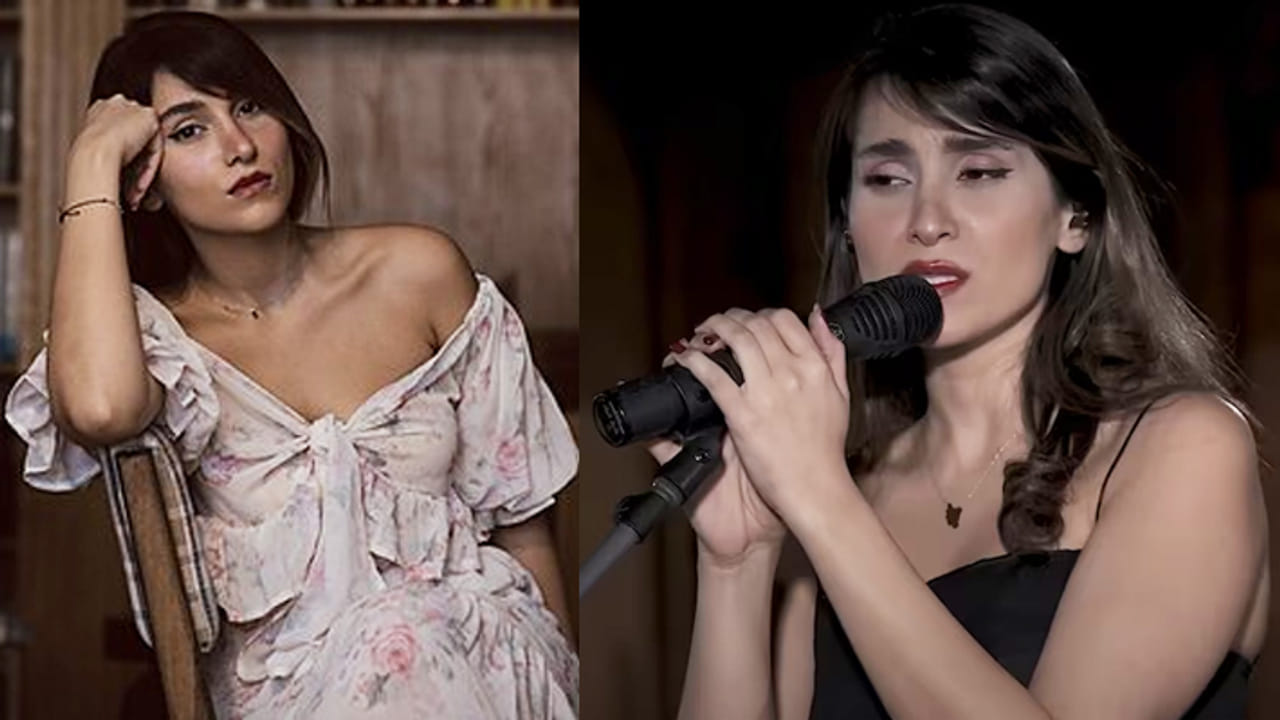
Parastoo Ahmadi is a 29-year-old Iranian singer and composer from Nowshahr, a city in Mazandaran Province in northern Iran. Born in April 1997, she studied film direction at Soore University. Although she is known for her music, she has increasingly attracted attention for using her performances to express ideas about freedom, identity and the right of women to participate in public cultural life.
Ahmadi is among a growing number of Iranian women artists who have challenged restrictions on women’s appearance and participation in the country’s music industry. Her performances have drawn attention not only for their musical content but also for the circumstances in which they were presented.
-Iranian singer Parastoo Ahmadi reportedly receives 74 lashes for performing in an online concert without wearing a hijab
-Shabana Azmi says she doesn’t wear a burqa, but if anyone tells her not to wear one, she’ll wear three.
But India is hell for minorities saar not safe saar.🤡
— Lala (@LalaXd) November 24, 2026
She first gained wider recognition during the 2022 protests in Iran, which erupted following the death of Mahsa Amini in police custody. Amini, a 22-year-old Kurdish Iranian woman, had been arrested by morality police over allegations that she had violated the country’s compulsory hijab rules.
During the protests, Ahmadi performed Az Khoon-e Javanan-e Vatan, which translates to From the Blood of the Youth of the Country. The patriotic song, composed by Aref Qazvini during Iran’s Constitutional Revolution in the early 20th century, became associated with calls for freedom and resistance.
Her rendition connected her with a wider movement of artists who used music and other forms of creative expression to respond to political and social developments in Iran. She also released music inspired by Mazandarani folk traditions, drawing on the cultural heritage of her home province.