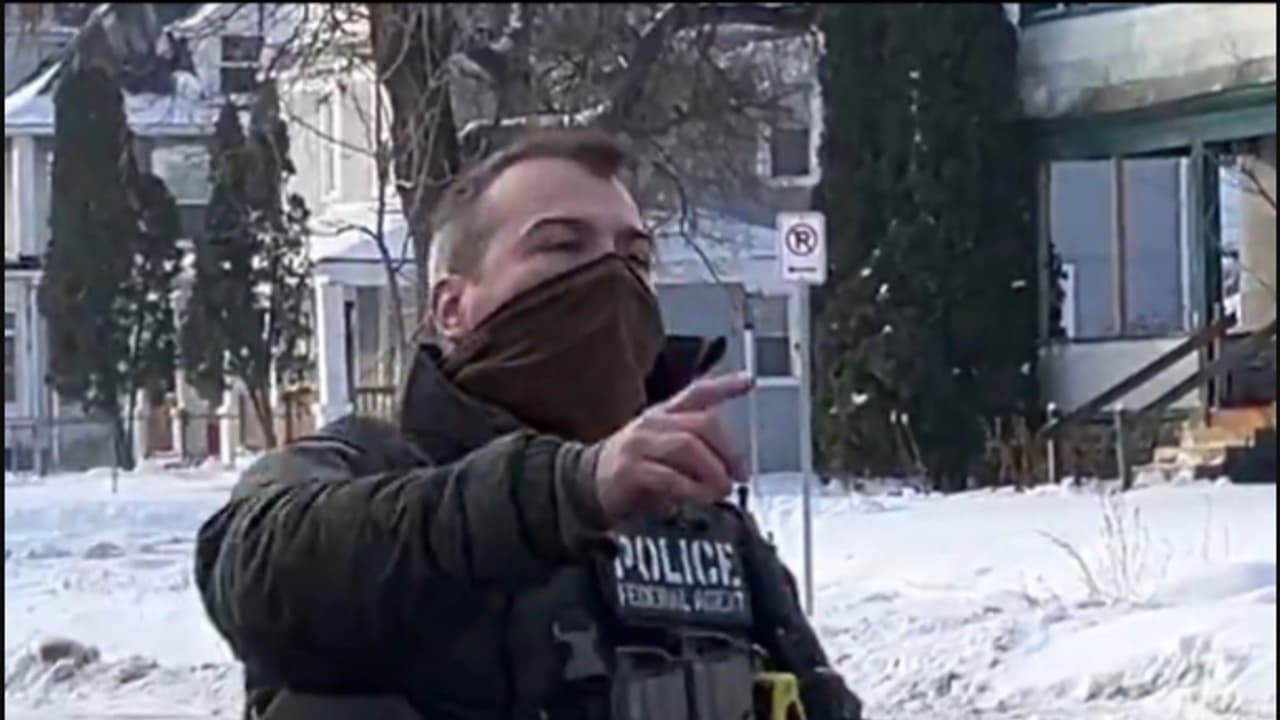
ICE officer Jonathan E. Ross fatally shot 37-year-old Renee Nicole Good in Minneapolis during an immigration operation. Ross fired as Good attempted to drive away from agents who had surrounded her vehicle.
Jonathan E. Ross, a US Immigration and Customs Enforcement (ICE) officer with nearly two decades of military and federal law enforcement experience, has been identified by multiple media outlets as the agent who fatally shot 37 year old Renee Nicole Good during an immigration enforcement operation in Minneapolis on January 7, 2026.
Ross, 43, has served in various tactical and operational roles throughout his career. Prior to joining ICE, he deployed to Iraq with the Indiana National Guard in 2004–2005 as a machine gunner, according to records obtained by The Associated Press.
After leaving active duty, he pursued higher education and entered federal law enforcement, joining the US Border Patrol in 2007. Ross transitioned to ICE in 2015, where he became a deportation officer based in Minnesota and eventually served on ICE’s Special Response Team — a unit similar to a tactical SWAT group that includes specialized training in perimeter control, firearms, and high risk arrests.
His extensive service record also includes work as a firearms instructor, active shooter instructor, field intelligence officer, and team leader with the FBI’s Joint Terrorism Task Force, testimony and court documents show.
The fatal encounter with Good stemmed from a broader ICE operation in south Minneapolis. Federal officials initially kept the shooter’s identity private, but the Minnesota Star Tribune confirmed through court records and insider sources that the officer who fired the fatal shots was Jonathan Ross.
According to bystander footage and law enforcement accounts, Good was driving her SUV through a neighbourhood when she encountered ICE agents who had surrounded her vehicle, ordered her to stop and attempted to detain her. Good, who had just dropped off one of her three children at school, attempted to drive away. Federal officials, including Homeland Security Secretary Kristi Noem, claimed Ross believed he or other agents were in imminent danger — asserting that Good’s SUV posed a lethal threat.
President Donald Trump and senior administration officials defended Ross’s actions, stating he acted “according to his training” and urging public understanding of the risks faced during immigration operations. Vice President J.D. Vance echoed support for the agent, urging the nation to give him a “debt of gratitude” for his service and noting his prior wounds in a 2025 arrest attempt. In that earlier incident, Ross was seriously injured after a suspect dragged him by a car while attempting to evade law enforcement, an episode often cited by supporters as context for his split second decisions.
Despite the official narrative, public reaction has been intense and sharply divided. Local Minneapolis officials and civil rights advocates have condemned the shooting, arguing that Good’s vehicle did not pose a clear, imminent threat that justified deadly force. Use of force experts have also criticized the tactical decisions involved, with one noting that firing into or at a moving vehicle when not directly threatened violates standard police protocols. They point to footage suggesting Ross was not in the direct path of the SUV when he opened fire.
Protests have erupted across Minneapolis and in other cities nationwide, with demonstrators demanding accountability and transparency in federal immigration law enforcement. Many have called for Ross to face criminal charges, and some local lawmakers have challenged the federal government’s handling of the investigation and its initial refusal to release the agent’s name.
Renee Nicole Good was widely remembered by family and friends as a devoted mother of three, a poet, and a small business owner. According to reports, she held an English degree and co founded a home repair business with her wife. Neighbours described her as generous and full of life — attributes that have fuelled public outrage over her death. A vigil has been held in her honour, and many activists characterize her killing as an example of excessive use of force by federal agents.
The FBI has taken over elements of the investigation, and local authorities have expressed frustration with federal cooperation, while civil rights groups press for an independent review. The incident has also reignited debates about ICE’s growing tactical posture, its rules of engagement, and the broader role of immigration enforcement within US cities. Critics argue that ICE’s specialized response units — particularly those with aggressive arrest tactics — require closer scrutiny, especially in light of conflicting narratives about the circumstances leading to Good’s death.
Jonathan Ross’s father has defended his son’s actions, and federal authorities have cited his long service as evidence of professionalism and training. But opponents counter that the echo of past traumatic engagements — such as the 2025 dragging incident — should not excuse lethal force against a civilian who may have been attempting to escape what she perceived as an imminent threat.
As national attention remains fixed on the case, legal experts say both criminal and civil proceedings could unfold, with potential implications for federal use of force policies, immigration enforcement strategy, and community trust in law enforcement institutions.
In all, Jonathan Ross’s identification as the officer in the Minneapolis shooting has transformed a tragic encounter into a focal point of national debate over policing, immigration policy, and the balance between public safety and civil liberties.
(With inputs from agencies)