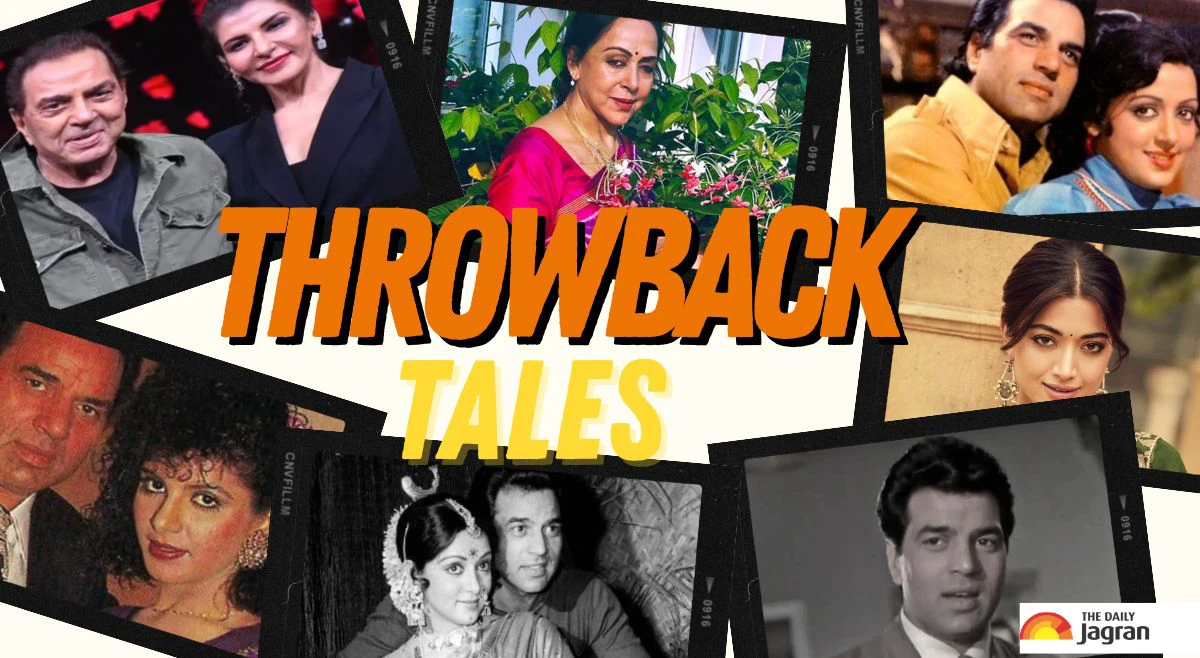
Back in the 1980s, Bollywood was no stranger to headline-making personal stories and one such episode involving Dharmendra and Anita Raj often drew attention.
Reports at the time suggested a growing closeness between the two actors, which sparked conversations within the industry and was said to have impacted Hema Malini. The episode continues to be remembered as part of the many widely discussed relationships from that era.
Dharmendra, known for his strong screen presence and long-standing popularity, had a well-documented personal journey. He was first married to Prakash Kaur before forming a relationship with Hema Malini during the filming of Tum Haseen Main Jawan. Their relationship eventually led to marriage in 1980, marking a significant chapter in his life and career.
In the years that followed, Anita Raj was building her own presence in the industry with films such as Karishma Kudrat Ka, Zalzala and Insaniyat Ke Dushman. The reports surrounding her association with Dharmendra added to the ongoing discussions about celebrity relationships during that period, reflecting the public interest such stories often attracted.
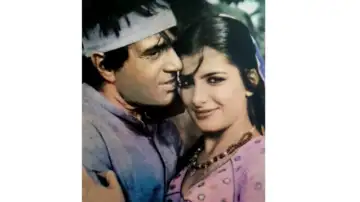 (IMAGE: Pinterest)
The on-screen pairing of Dharmendra and Anita Raj drew attention at the time, with reports hinting at a growing off-screen closeness. The speculation soon became a talking point in industry circles and was said to have affected Hema Malini, who was known for being deeply committed to her marriage.
According to accounts from that period, Hema is believed to have addressed the situation directly, making her stance clear about protecting her relationship. Despite the buzz, she maintained a dignified approach, later reflecting on her life choices without adding further strain to those involved. Meanwhile, Anita Raj, daughter of Jagdish Raj, continued to focus on her career, delivering notable performances while also moving forward in her personal life. She later married filmmaker Sunil Hingorani in 1986.
The episode remains one of the many widely discussed moments from Bollywood’s past, highlighting how personal lives often became part of public conversation in the film industry.